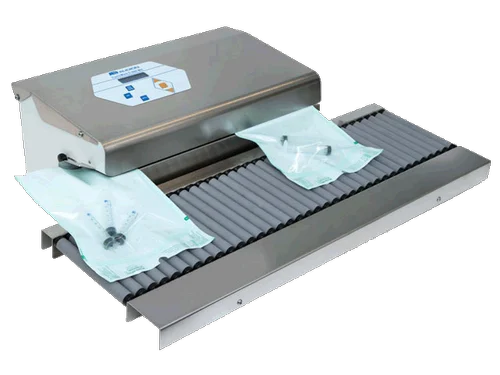
Ensuring product safety in the medical field is of utmost importance. The medical heat sealer is a crucial tool that plays a significant role in maintaining this safety. This device is vital for sealing medical products, ensuring they remain sterile and safe. Let’s explore how a medical heat sealer ensures product safety and the key benefits it offers.
What is a Medical Heat Sealer?
A medical heat sealer is used to seal packaging materials through heat application. It is commonly used in the medical industry to seal pouches, bags, and other packaging materials that contain medical devices, instruments, or pharmaceutical products. The primary goal is to ensure the contents remain sterile and uncontaminated until they are ready for use.
Key Benefits of Using a Medical Heat Sealer
Sterility Maintenance
One of the primary benefits of a medical heat sealer is its ability to maintain the sterility of medical products. By creating an airtight seal, the sealer ensures no contaminants, such as bacteria or dust, can enter the packaging. This is crucial for products that need to remain sterile, such as surgical instruments, wound dressings, and pharmaceutical products.
Tamper Evidence
A medical heat sealer provides tamper-evident seals, essential for ensuring the integrity of medical products. If a seal is broken or tampered with, it is immediately noticeable, indicating the product may have been compromised. This feature helps prevent the use of contaminated or counterfeit products.
Compliance with Regulatory Standards
Medical products must comply with strict regulatory standards to ensure their safety and effectiveness. A medical heat sealer helps manufacturers meet these standards by providing consistent and reliable seals. This compliance is critical for gaining approvals from regulatory bodies like the FDA (Food and Drug Administration).
How Does a Medical Heat Sealer Work?
Sealing Process
The medical heat sealer applies heat to the packaging material, melting the adhesive layer and bonding the materials. Here’s a step-by-step overview of the sealing process:
- Preparation: The packaging material is placed between the sealing bars of the heat sealer.
- Heating: The sealer applies heat to the material, causing the adhesive to melt.
- Sealing: The melted adhesive bonds the materials, creating a strong, airtight seal.
- Cooling: The seal can cool and solidify, ensuring a secure closure.
Types of Medical Heat Sealers
There are various types of medical heat sealers available, each suited for different applications:
- Impulse Sealers: Ideal for sealing thermoplastic materials, these sealers apply a short burst of heat to create a seal.
- Constant Heat Sealers: These sealers maintain a consistent temperature and are suitable for thicker materials.
- Band Sealers: These machines are used for high-speed sealing. They use a continuous band to seal materials as they pass through.
Best Practices for Using a Medical Heat Sealer
To ensure optimal performance and safety, it is essential to follow best practices when using a medical heat sealer:
- Regular Maintenance: Keep the sealer clean and perform regular maintenance checks to ensure it functions correctly.
- Proper Training: Ensure operators are adequately trained to use the sealer and understand its safety features.
- Quality Materials: Use high-quality packaging materials compatible with the heat sealer to ensure a solid and reliable seal.
Conclusion
A medical heat sealer is an indispensable tool in the medical industry, ensuring the safety and sterility of medical products. Providing airtight, tamper-evident seals helps maintain product integrity and compliance with regulatory standards. Proper use and maintenance of a medical heat sealer are crucial for ensuring the safety and effectiveness of sealed medical products.
By understanding medical heat sealers’ benefits and proper usage, manufacturers and healthcare providers can enhance product safety and protect patient health.