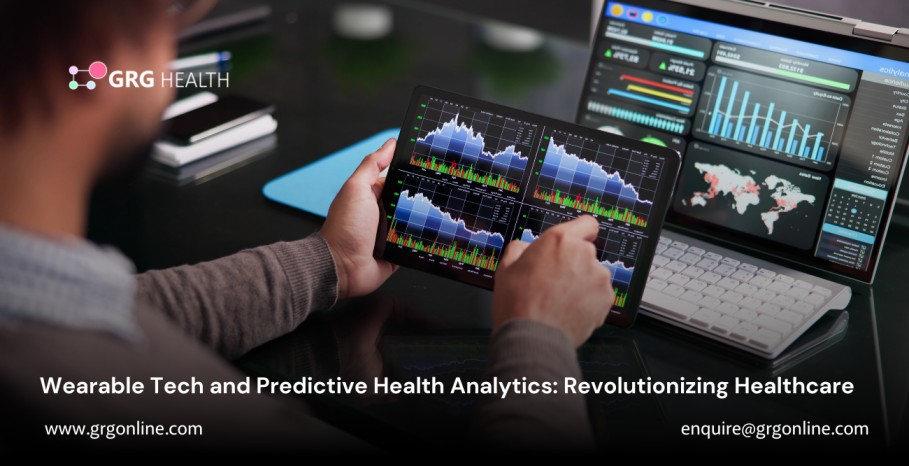
In the rapidly evolving landscape of healthcare, wearable technology and predictive health analytics are at the forefront, offering transformative solutions to enhance patient care, prevent diseases, and reduce healthcare costs. These innovations are reshaping how we monitor, manage, and improve our health, making them critical components of modern healthcare strategies.
The Rise of Wearable Technology
Wearable technology encompasses electronic devices worn on the body, such as smartwatches, fitness trackers, smart clothing, and implantable devices. These devices integrate sensors and software to collect and analyze physiological data, playing a pivotal role in healthcare by providing:
- Real-Time Monitoring: Continuous monitoring of vital signs like heart rate, blood pressure, glucose levels, and sleep patterns offers valuable insights into an individual’s health status. This real-time data can alert users and healthcare providers to potential health issues, enabling timely interventions.
- Activity Tracking: Devices like fitness trackers and smartwatches help users monitor physical activity, including steps taken, calories burned, and exercise intensity. This encourages a more active lifestyle and helps users set and achieve fitness goals.
- Chronic Disease Management: Wearables are crucial in managing chronic conditions such as diabetes, hypertension, and cardiovascular diseases. Continuous monitoring allows for better disease management and timely interventions.
- Personalized Health Insights: By analyzing collected data, wearables provide personalized health recommendations, promoting healthier habits and preventive measures.
Predictive Health Analytics: Harnessing the Power of Data
Predictive health analytics involves using advanced data analytics techniques, including machine learning and artificial intelligence (AI), to analyze health data and predict future health outcomes. When combined with wearable technology, predictive analytics offers numerous benefits:
- Early Detection of Diseases: Predictive models can identify early signs of diseases before they become clinically apparent, allowing for early intervention and reducing the risk of severe complications.
- Personalized Treatment Plans: By analyzing an individual’s health data, predictive analytics can tailor treatment plans to their unique needs, enhancing treatment effectiveness and reducing adverse effects.
- Risk Stratification: Predictive analytics stratifies patients based on their risk of developing specific conditions, allowing healthcare providers to prioritize high-risk individuals for preventive measures and closer monitoring.
- Resource Optimization: Predictive analytics optimizes healthcare resources by forecasting patient admissions, bed occupancy, and staffing needs, leading to more efficient healthcare delivery and cost savings.
Applications of Wearable Tech and Predictive Health Analytics
The integration of wearable technology and predictive health analytics has opened new avenues in various healthcare domains:
- Remote Patient Monitoring: Wearable devices enable continuous health monitoring in real-time, even outside traditional healthcare settings, reducing the need for frequent hospital visits and allowing for timely interventions.
- Telemedicine: Wearables’ data can be transmitted to healthcare providers during telemedicine consultations, enhancing the quality of virtual care and informed decision-making.
- Fitness and Wellness: Fitness enthusiasts and athletes use wearables to optimize training regimens and monitor performance. Predictive analytics provides insights into injury risks and recovery needs.
- Elderly Care: Wearable tech improves the quality of life for elderly individuals by monitoring vital signs, detecting falls, and providing emergency alerts. Predictive analytics identifies early signs of cognitive decline and other age-related conditions.
- Public Health: Wearable tech and predictive analytics contribute to public health initiatives by identifying health trends, tracking the spread of infectious diseases, and evaluating public health interventions.
Challenges and Considerations
Despite their potential, wearable tech and predictive health analytics face several challenges:
- Data Privacy and Security: The collection and analysis of sensitive health data raise concerns about privacy and security. Robust measures are essential to protect patient data from breaches and unauthorized access.
- Data Accuracy and Reliability: The accuracy of wearable devices and the data they generate is crucial for reliable health monitoring and predictive analytics. Manufacturers must ensure high standards of precision.
- Integration with Healthcare Systems: Seamless integration of wearable data with electronic health records (EHRs) and other healthcare systems is essential for effective use, requiring interoperability standards and protocols.
- User Engagement and Adherence: Consistent use of wearable devices and engagement with the insights provided are crucial for effectiveness. Motivating users to maintain long-term adherence can be challenging.
- Regulatory and Ethical Considerations: Predictive analytics in healthcare must adhere to regulatory guidelines and ethical standards, ensuring transparency, accountability, and informed consent.
Future Prospects
The future of wearable tech and predictive health analytics is promising, with several exciting developments on the horizon:
- Advancements in Sensor Technology: Improvements in sensor technology will enhance the accuracy and capabilities of wearable devices, including developing non-invasive sensors for monitoring various biomarkers.
- AI and Machine Learning: Integrating AI and machine learning with wearable tech will enable more sophisticated predictive models and personalized health recommendations.
- 5G Connectivity: The rollout of 5G networks will enable faster and more reliable data transmission from wearable devices to healthcare providers, enhancing remote monitoring and telemedicine services.
- Wearables for Mental Health: Future wearables may incorporate sensors to monitor mental health parameters such as stress levels, mood, and sleep quality. Predictive analytics can identify early signs of mental health issues and suggest interventions.
- Integration with Genomics: Combining wearable data with genetic information can offer deeper insights into an individual’s health and predisposition to certain conditions, further personalizing healthcare.
In conclusion, wearable technology and predictive health analytics represent a paradigm shift in healthcare, empowering individuals to take control of their health and enabling healthcare providers to deliver more proactive and personalized care. Despite the challenges, the potential benefits of these innovations far outweigh the hurdles, making this an exciting and rapidly evolving field. As technology advances, the integration of wearables and predictive analytics will undoubtedly play a pivotal role shaping the future of healthcare, ultimately leading to better health outcomes and improved quality of life for people worldwide.