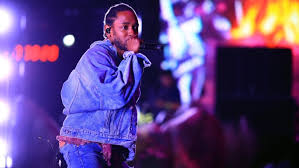
The popular music industry is undergoing a radical transformation, driven by rapid advancements in artificial intelligence (AI) and cutting-edge technology. From the way music is created to how it is distributed and marketed, AI is playing an increasingly influential role in shaping the future of the industry. As technology continues to evolve, its impact on the popular music industry is becoming more profound, raising important questions about the future of music, the role of human creativity, and the ethics of AI-driven innovation.
The Role of AI in Music Creation:
AI’s impact on music creation is perhaps the most visible and debated aspect of its influence on the popular music industry. AI-powered tools and software have made it possible for machines to compose music, generate melodies, and even produce full songs with minimal human input. These tools use algorithms that analyze vast datasets of existing music to create new compositions that mimic specific styles or genres. For example, AI has been used to generate music in the style of classical composers like Bach, as well as to create contemporary pop hits.
One of the most well-known AI music projects is OpenAI’s Jukedeck, which allows users to create original music by simply selecting a genre, mood, and duration. The software then generates a unique composition that can be used for various purposes, such as background music for videos or podcasts. Similarly, Google’s Magenta project explores the intersection of machine learning and music, with the goal of advancing AI’s creative capabilities.
While AI-generated music has opened up new possibilities, it has also sparked debates about the role of human creativity in the popular music industry. Critics argue that music created by machines lacks the emotional depth and authenticity that only human artists can provide. However, proponents of AI in music creation believe that these tools can enhance human creativity by providing new sources of inspiration and allowing artists to experiment with ideas they may not have considered otherwise.
AI in Music Distribution and Marketing:
Beyond music creation, AI is also transforming how music is distributed and marketed within the popular music industry. Streaming platforms like Spotify and Apple Music are increasingly relying on AI algorithms to curate personalized playlists, recommend new music to users, and even predict which songs are likely to become hits. These algorithms analyze user behavior, such as listening habits and preferences, to deliver tailored content that keeps listeners engaged.
For artists, AI-driven marketing tools offer new ways to reach their target audiences. AI can analyze social media trends, track listener engagement, and identify potential fan bases, enabling artists and labels to craft more effective marketing campaigns. Additionally, AI can optimize ad placements, manage social media accounts, and even generate content, such as promotional videos or social media posts, based on audience data.
One notable example of AI in music marketing is the use of chatbots, which can interact with fans on social media platforms, answer questions, and provide updates on new releases or upcoming concerts. These AI-driven interactions help artists maintain a direct connection with their fans while automating many of the tasks that would otherwise require significant time and effort.
The Ethical Considerations of AI in the Popular Music Industry:
As AI continues to integrate into the popular music industry, it raises several ethical questions that must be addressed. One of the most pressing concerns is the potential for AI to replace human musicians and songwriters. If machines can create music that is indistinguishable from that made by humans, what does that mean for the future of artists and their livelihoods? Will AI diminish the value of human creativity, or will it simply offer new tools to enhance it?
Another ethical consideration is the issue of copyright and ownership. If an AI algorithm generates a hit song, who owns the rights to that music? Is it the developer of the AI software, the user who generated the song, or the artist who inspired the algorithm? These questions are still largely unresolved and will require careful consideration as AI continues to play a larger role in the industry.
Moreover, the use of AI in music marketing and distribution raises concerns about data privacy and algorithmic bias. AI systems rely on vast amounts of data to function effectively, and this data often includes personal information about listeners. Ensuring that this data is used responsibly and transparently is crucial to maintaining trust between artists, fans, and the industry.
The Future of AI in the Popular Music Industry:
Looking ahead, the popular music industry is likely to see even more integration of AI and technology. We can expect to see AI-generated music becoming more sophisticated, with the potential to create entirely new genres or musical experiences that would be impossible for humans alone to conceive. Additionally, AI-driven analytics and marketing tools will become more advanced, providing artists and labels with unprecedented insights into their audiences and the ability to tailor their strategies more precisely.
However, the future of AI in the popular music industry will also depend on how the industry addresses the ethical challenges that arise. Balancing the benefits of AI with the need to protect human creativity, privacy, and fairness will be key to ensuring that AI enhances rather than detracts from the industry.
Conclusion:
The popular music industry stands at a crossroads as AI and technology continue to reshape its landscape. While AI offers exciting new possibilities for music creation, distribution, and marketing, it also presents significant challenges that must be carefully navigated. As we move forward, it will be essential for the industry to strike a balance between embracing technological innovation and preserving the unique human elements that make music a powerful and meaningful form of expression. The popular music industry must continue to evolve, but it must do so in a way that honors its roots in human creativity and cultural significance.