The Crucial Role of Nutrition in Oncology: Supporting Cancer Treatment and Recovery

Treatment for cancer is a challenging process that necessitates a multimodal approach to support the body through the harsh therapies, such as radiation, chemotherapy, and surgery. A crucial—yet usually overlooked—aspect of cancer management is nutrition. Adequate diet is crucial to minimize adverse effects, promote healing, and optimize the efficacy of cancer treatments. The need of a balanced diet before and after cancer treatment is emphasized in this article’s exploration of the connection between nutrition and oncology.
The Relationship Between Nutrition and Oncology
Oncology is the name of the medical specialty that deals with cancer treatment, diagnosis, and prevention. Nutrition, on the other hand, refers to supplying or getting the food needed for health and growth. When combined, these two fields create a strong alliance that aims to improve the quality of life for cancer patients.
Cancer and its treatments may have a major impact on patients’ nutritional status. Severe alterations in taste, appetite, and metabolism brought on by the disease itself as well as treatments like chemotherapy and radiation can lead to malnutrition. Consequently, inadequate nutrition can reduce the effectiveness of medical interventions overall, decrease the body’s ability to heal, and affect immune function.
The Role of Nutrition in Cancer Treatment
I’ll go over nutrition’s function in cancer treatment here:
Improving the immune system
An immune-strengthening diet rich in vitamins, minerals, and antioxidants can help cancer patients who are undergoing treatment for the disease. Increased immunity can support the body’s ability to fend off infections and promote healing.
Managing Unfavorable Responses
Mouth sores, taste alterations, nausea, and vomiting are side effects of cancer treatments. Nutritionists with an emphasis on oncology can provide patients with tailored dietary recommendations to help manage these side effects and make it easier for them to maintain a balanced diet.
Sustaining Energy and Power
Adequate food consumption provide the energy needed to tolerate the physically demanding parts of cancer treatment. For example, diets rich in protein encourage the repair of damaged tissue and the preservation of muscle mass, both of which are essential during periods of intensive therapy.
Increasing Therapeutic Outcome
Some meals may increase the efficacy of cancer treatments. For instance, studies suggest that by reducing inflammation, omega-3 fatty acids may improve the efficacy of chemotherapy. Maintaining a healthy weight can also assist treatments work as well as possible.
Avoiding Starvation
Malnutrition can have a negative impact on a cancer patient’s quality of life and ability to perform physically. Together with oncology teams, nutritionists develop customized meal plans that meet the individual needs of each patient, ensuring that patients get enough calories, protein, and nutrients to prevent malnutrition.
Dietary Techniques for Cancer Patients
Cancer patients frequently require specialized diet regimens to meet their unique needs. A few common dietary tactics used in oncology are as follows:
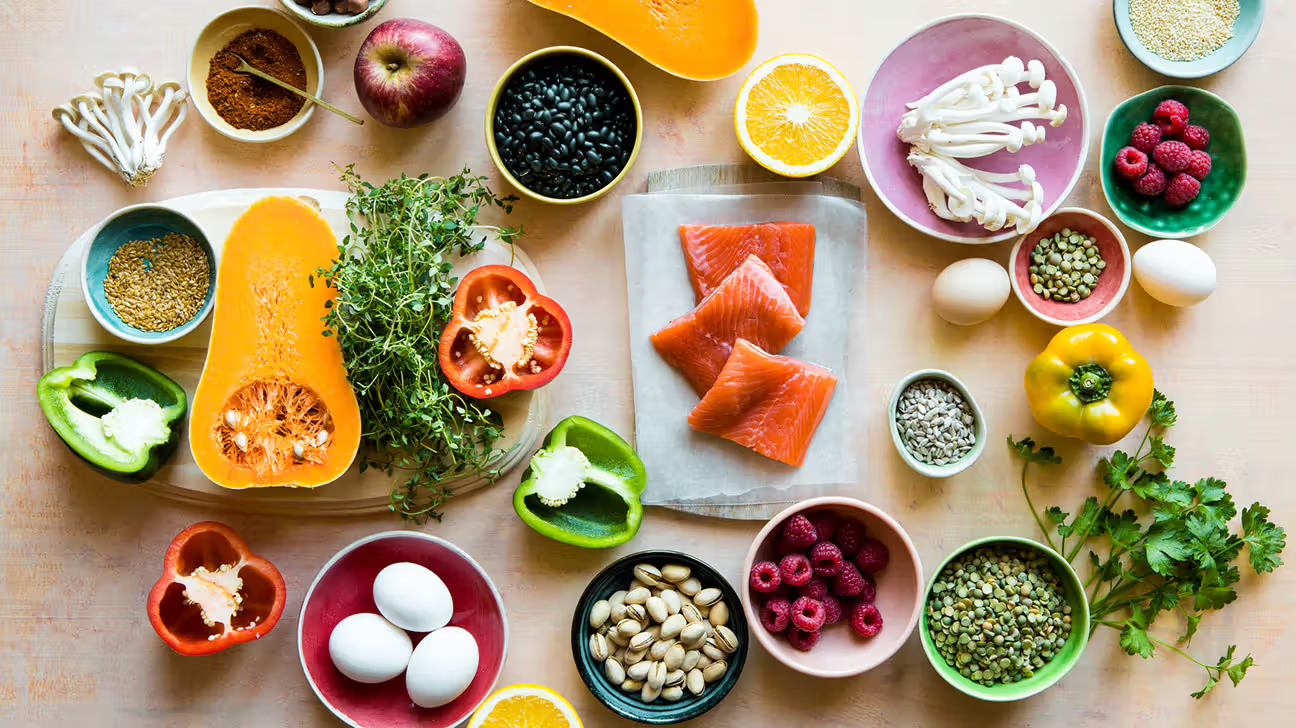
- High-Protein Diets: Protein is crucial for maintaining and repairing bodily tissue, especially during cancer treatment. Foods like beans, lentils, dairy, eggs, and lean meats are good sources of protein.
- Regular Meals: To combat gastrointestinal issues and appetite loss, patients are sometimes encouraged to eat smaller, more frequent meals. This method allows for the maintenance of caloric intake without overtaxing the digestive system.
- Anti-Inflammatory Foods: Consuming an abundance of fruits, vegetables, nuts, fatty fish, and other foods rich in antioxidants and anti-inflammatory properties will help reduce inflammation and enhance overall health.
- Hydration: Staying hydrated is crucial, especially for chemotherapy patients who run the risk of dehydration. Drink plenty of water, clear broths, and herbal teas to stay hydrated.
- Supplements: In order to address specific deficiencies or to provide additional support throughout therapy, nutritional supplements may be necessary. But these should only be taken under a doctor’s supervision.
A Registered Dietitian Nutritionist’s (RDN) Function in Oncology
An important component of the cancer care team is an oncology-focused Registered Dietitian Nutritionist (RDN). Throughout the course of treatment, they assess each patient’s nutritional status, develop customized nutrition plans, and provide ongoing support. RDNs can also assist patients in preserving their vitality and power by offering practical advice on how to handle drug side effects.
Nutritional Strategies for Healing and Beyond
After cancer treatment is over, diet becomes even more important. While a patient is recovering, a nutritious diet helps strengthen their body, support their immune system, and reduce their risk of cancer returning. Adopting healthy eating habits over time is necessary to maintain overall wellbeing and lower the risk of developing additional chronic illnesses.
FAQs
What role does nutrition play in cancer treatment?
Diet is essential for supporting the immune system, controlling side effects, maintaining strength and energy, enhancing treatment efficacy, and preventing malnutrition during cancer therapy. A patient’s overall quality of life and therapeutic outcomes can both be improved with appropriate nutrition.
How does a person receiving cancer therapy alter their dietary needs?
The impact of cancer treatments including radiation, chemotherapy, and surgery on appetite, digestion, and metabolism might cause variations in nutritional requirements. Patients may require more calorie intake, protein, and certain nutrients to help with tissue regeneration, maintain energy, and counteract the side effects of treatment.
Is there a diet or food that can help prevent cancer?
Even while there is no one food or diet that may cure cancer, a balanced diet rich in fruits, vegetables, whole grains, lean meats, and healthy fats can support overall health, assist strengthen the immune system, reduce inflammation, and improve treatment outcomes. Working with a dietitian or nutritionist is essential to developing a meal plan that suits the individual needs of each person.
What nutritional challenges are commonly faced by cancer patients?
Common nutritional issues include fatigue, mouth sores, nausea, vomiting, loss of appetite, difficulty swallowing, and tiredness. These problems may make it difficult for patients to maintain enough nutrition, which calls for the necessity for specialized diet regimens.
Summary
Nutrition plays a critical role in oncology therapy by assisting patients in overcoming the challenges associated with cancer treatment and recovery. By include a nutritious diet in the cancer care plan, medical providers can enhance treatment results, patients’ quality of life, and long-term health. Cancer patients must work with a certified nutritionist or dietitian to ensure that their nutritional needs are met and that they are ready to face the rigors of treatment and beyond.