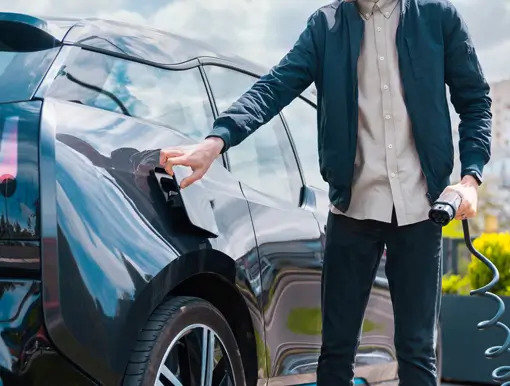
As of late, the Indian Electric vehicle (EV) industry has been taking off due to increasing environmental concerns, official incentives, and emerging technologies—all in the quest for sustainable transportation. Like similar passion from professionals these days, the EV sector too has seen rising interest in this domain, with interest in skilled EV sector professionals reaching soaring heights. That is when educational institutes and centers of excellence began to offer dedicated courses in this field, just to help students get the right kind of skills.
The Growing Demand for Electric Vehicle Design Courses in India
The shift of India to electric mobility is crucial to reduce carbon emissions and dependence on fossil fuels. This has led to a high demand for competent designing, development, and maintenance professionals for electric vehicles. To meet this burgeoning demand, various Academic institutions have taken the initiative and introduced programs related to designing electric vehicles. The learning will cover all areas of EV production, right from battery technology to electric power trains, embedded systems, and so forth.
Overview of Electric Vehicle Design Courses
Electric vehicle design courses in India are designed to provide students with a thorough understanding of the fundamental principles of EV technology. These courses typically cover the following key areas:
- Battery Technology: Understanding the different types of batteries used in electric vehicles, including lithium-ion, nickel-metal hydride, and solid-state batteries. Students learn about battery management systems, charging protocols, and the challenges of battery recycling.
- Electric Powertrains: The design and working of Electric Motors are covered under this along with inverters and controllers. In this framework, multiple inferences are drawn on the kinds of electric powertrains, embracing series, parallel, and hybrid configurations.
- Embedded Systems and Electronics: Under these embedded systems and electronics, electric vehicles make heavily embedded systems in control a wide range of functions in them, ranging from power management to driver assistance systems. This course module involves microcontrollers, sensors, and communication protocols utilized in an EV.
- Vehicle Dynamics and Control: Dynamics in Vehicle Motion are engaged in acceleration, braking, and handling—very cornerstones towards the conception of efficient and safe electric vehicles.
- Software Development: As software constitutes a vital part of how electric vehicles function, the students are trained in the development and testing of software intended for EV applications. This would include programming, algorithm development, and quality assurance in software.
- Regulations and Standards: The whole EV industry is regulated by various regulations and standards associated with safety, performance, and emissions. The students are educated on these standards and how their designs are expected to meet the relevant regulations.
Costs Associated with Electric Vehicle Design Courses
However, the fees for Electric vehicle design courses in India depend on the institutes, course duration, and level of specialization.
- Short-term Certification Courses: These courses run from a few weeks to a few months in duration. These are usually meant for professionals who are looking for an upskill or specialization in some sub-domain of EV design. Course fees would be around INR 10,000-50,000.
- Diploma Programs: Diploma programs in Electric vehicle design are more comprehensive; they can run from six months to a year. The cost of a diploma course varies between INR 50,000 to INR 1,50,000.
- Degree Programs: Many prestigious universities and institutes also Offers Degree Courses in Electric Vechileengineering or related fields. These programs usually last for three to four years and encompass a wide array of knowledge, from EV design through production to maintenance. The cost of degree programs ranges between INR 2,00,000 and INR 5,00,000 annually.
- Online Courses: They are relatively cheaper, with a Fee structure that lies between INR 5,000 to INR 20,000. Online courses can be done more flexibly, as students can learn at their own pace.
Benefits of Pursuing an Electric Vehicle Design Course
- High Demand for Skilled Professionals: The EV sector has skyrocketed in its development, thus channeling a lot of demand into the sector for skilled Professionals in the fields of design, Battery Specialists, and software development. The Electric Vehicle Design course can present you with countless career opportunities arising in this high-demand industry.
- Lucrative Career Opportunities: It Offers very attractive salary packages to people who are specialized in the skill set and knowledge of new EV industries. By and large, as the industry goes about expanding the demand for these qualified Professionals, even further lucrative career opportunities are presented.
- Contribution to Sustainability: Professionals working in the Electric vehicle industry get an opportunity to be a part of global initiatives to lower carbon emissions and fight climate change. This is a purpose and social responsibility that would keep one going in this career.
- Hands-on Experience: Most Electric vehicle design classes would use a practical training approach so that students get hands-on experience with the latest technology and tools used in the industry. Such practical knowledge will be of immense benefit when one moves from the classroom to the Workplace.
TechnoS Centre of Excellence: A Leader in EV Design Education
Located at the epicenter of the Industry 4.0 Electronics Skill School, the TechnoS Centre of Excellence provides hands-on training in practically all areas of innovation to build, maintain, and refurbish electric vehicles. The curriculum is more focused on providing students with practical and hands-on skills in the EV field. More so, practical experience and real-world practice under such a curriculum. The courses offered in TCoE are related not only to this exact Electric vehicle technology but also to diversified areas such as embedded systems, batteries, drones, robotics, and many more—making it a one-stop center for technologists.
Conclusion
The Electric Vehicle Domain in India is at an inflection point; the country requires many professionals to drive the transformation in electric mobility. Electric Vehicle design courses in institutes such as TechnoS Centre of Excellence will enable their students to be equipped with the acumen and skills needed in this dynamic field. The growth of the EV industry establishes this as an Electric vehicle design course of the future because of the huge demand, promising career prospects with lucrative rewards, and a way to contribute to a sustainable future.