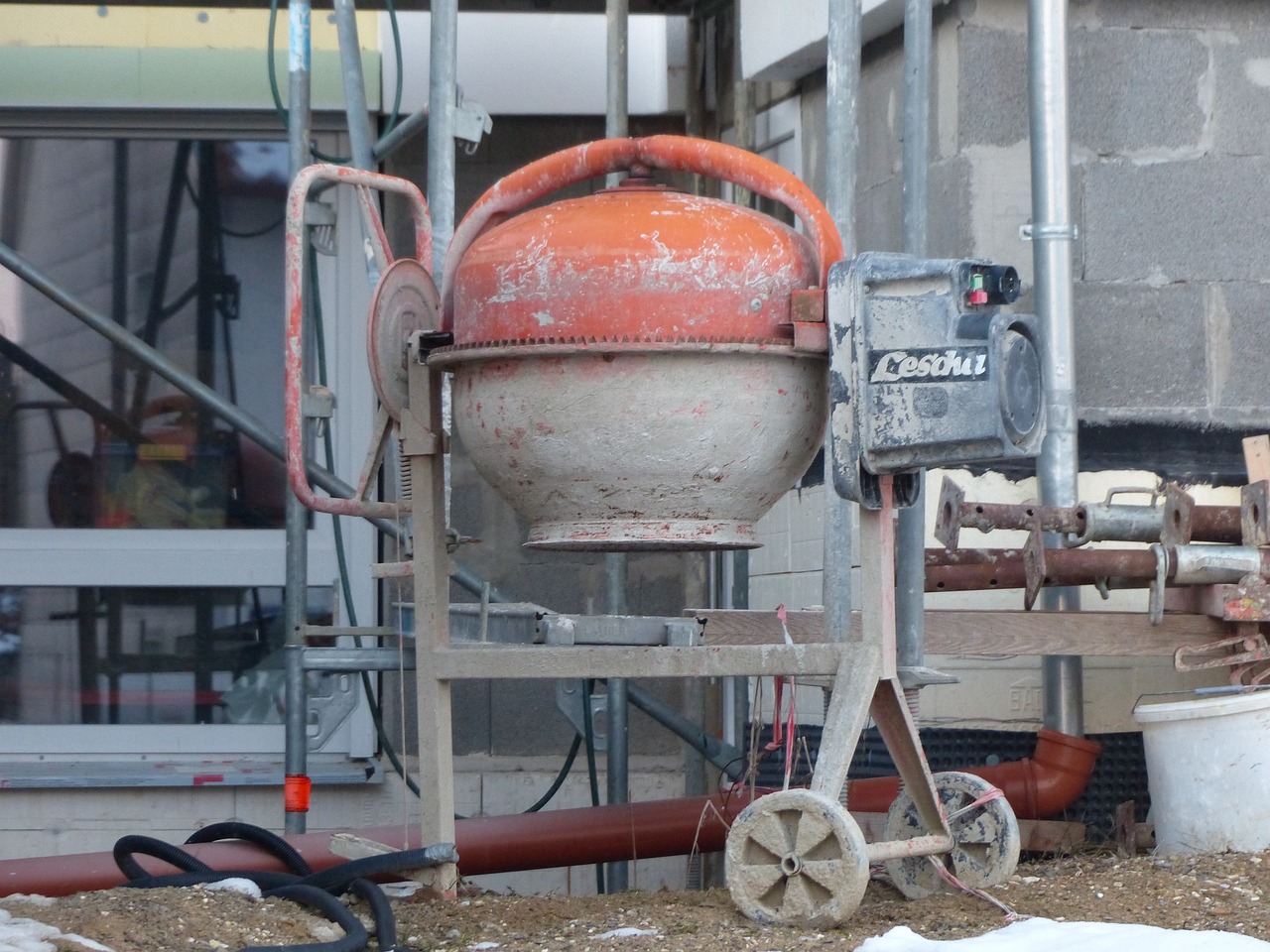
When it comes to constructing durable and long-lasting structures, one of the most critical elements is the proper mixing of concrete. Whether you’re a professional contractor or a DIY enthusiast, mastering the art of concrete mixing is essential for achieving a strong, resilient, and aesthetically pleasing result. As concrete contractors know, the quality of the mix can make all the difference in the outcome of a project. For those seeking expert guidance or services, resources like concrete contractors can provide valuable support.
The Importance of Concrete Mixing
Concrete is a versatile building material composed of cement, water, and aggregates like sand, gravel, or crushed stone. The process of mixing these components determines the final properties of the concrete, including its strength, workability, and durability. Poorly mixed concrete can lead to a host of problems, including reduced strength, increased permeability, and surface defects. Therefore, understanding the correct mixing techniques is crucial for ensuring the structural integrity of any concrete project.
The Components of Concrete
To achieve a proper concrete mix, it’s important to understand the role of each component:
- Cement: Cement acts as the binder in the mix, holding the aggregates together. The most common type used in concrete is Portland cement, which reacts with water to form a hard, stone-like material.
- Water: Water is necessary for the chemical reaction with cement (hydration) that causes the concrete to harden. The amount of water used in the mix affects the workability and strength of the concrete. Too much water can weaken the mix, while too little can make it difficult to work with.
- Aggregates: Aggregates provide bulk and stability to the concrete. They typically make up about 60-80% of the total volume. The size and type of aggregates can influence the strength, texture, and appearance of the final product.
- Admixtures: These are optional additives that can enhance certain properties of concrete, such as its workability, setting time, or durability. Common admixtures include plasticizers, accelerators, and air-entraining agents.
The Mixing Process
The process of mixing concrete involves combining the cement, water, and aggregates in the correct proportions to achieve a uniform, workable mixture. There are two primary methods of mixing concrete: hand mixing and machine mixing.
Hand Mixing
Hand mixing is often used for small projects or when machinery is not available. This method involves:
- Measuring and Preparing: Accurately measure the components according to the desired mix ratio. Typically, a standard mix ratio might be 1 part cement, 2 parts sand, and 4 parts gravel, with just enough water to achieve the desired consistency.
- Mixing the Dry Ingredients: Spread the cement and aggregates on a clean, hard surface (like a concrete slab) and mix them together using shovels until the color is consistent throughout.
- Adding Water: Create a well in the center of the dry mix and gradually add water while continuously mixing. The goal is to achieve a uniform mix with no dry patches or excessive water pooling.
- Final Mixing: Continue mixing until the concrete reaches a consistent, workable texture. The mix should be neither too dry nor too wet; it should hold its shape when formed into a ball but not be so wet that it runs off the shovel.
Machine Mixing
For larger projects, or when consistent quality is essential, machine mixing is preferred. This method involves:
- Loading the Mixer: Add the measured dry ingredients into the concrete mixer. It’s common to add some of the water first, followed by the cement and aggregates, and then the rest of the water.
- Mixing Time: Allow the mixer to run for about 3-5 minutes, ensuring all components are thoroughly combined. The mixing time is crucial for achieving a uniform mix without segregating the ingredients.
- Checking Consistency: After mixing, check the consistency of the concrete. Adjust the water content if necessary to achieve the desired workability.
- Discharging the Mix: Once mixed, the concrete should be immediately discharged from the mixer and placed into the forms or molds. Delays can lead to premature setting and compromise the quality of the concrete.
Common Mixing Mistakes and How to Avoid Them
Even experienced concrete contractors can make mistakes during the mixing process. Here are some common pitfalls and how to avoid them:
- Incorrect Proportions: Using the wrong mix ratio can weaken the concrete. Always follow the recommended mix proportions for your specific project and use accurate measuring tools.
- Excessive Water: Adding too much water may improve workability, but it significantly reduces the strength of the concrete. Aim for the lowest possible water content that still allows for easy handling.
- Inadequate Mixing: Failing to mix the ingredients thoroughly can lead to pockets of unmixed material, resulting in weak spots in the concrete. Ensure the mix is consistent before placing it.
- Delays in Placing: Concrete begins to set shortly after mixing, so it’s important to place and finish it promptly. Avoid long delays between mixing and placing to prevent premature setting.
Conclusion
Concrete mixing is both a science and an art, requiring careful attention to detail and a deep understanding of the materials involved. Whether you are working on a small DIY project or a large-scale construction job, mastering the basics of concrete mixing is essential for success. For those seeking professional assistance, consulting with concrete contractors can provide valuable expertise and ensure the highest quality results for your project.
By adhering to best practices and avoiding common mistakes, you can achieve a strong, durable concrete mix that will stand the test of time. Whether you’re mixing by hand or using a machine, the key is to maintain consistency and precision throughout the process.