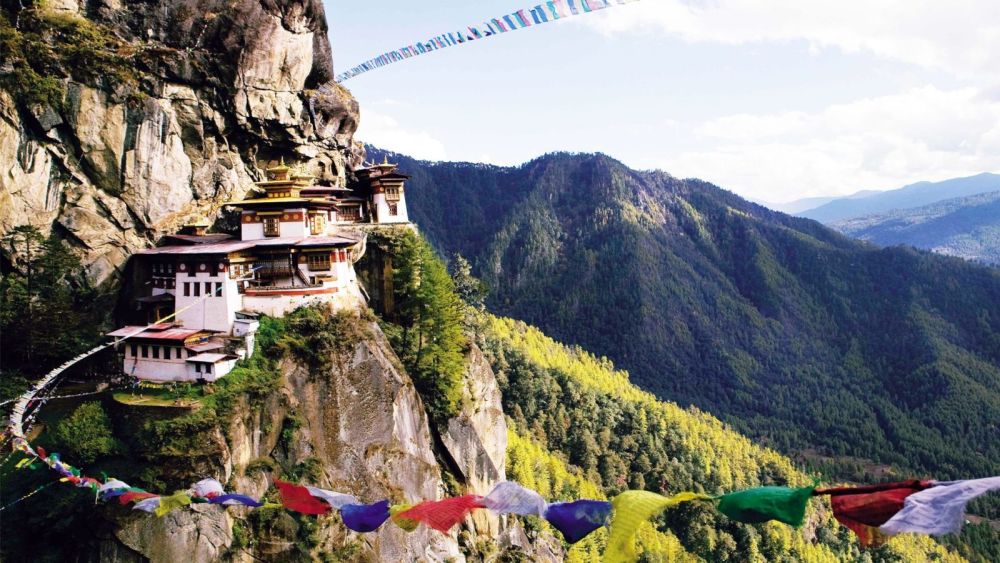
Sikkim is a land of stunning views, vibrant cultures and diverse wildlife. From snow-capped peaks and lush valleys to serene lakes and bustling markets, Sikkim offers a plethora of experiences. However, to truly enjoy everything this Himalayan state has to offer, it’s essential to visit at the right time. This article explores the best time to visit Sikkim based on weather, activities and personal preferences.
1. Understanding Sikkim’s Seasons
Sikkim’s weather varies significantly across different seasons, and each season offers a unique way to experience the state. Here’s a breakdown of what you can expect throughout the year:
Winter (December to February)
- Weather: Winter in Sikkim is cold, with temperatures ranging from -5°C to 15°C. Snowfall is common in higher altitudes like Gangtok, Pelling, and Lachung, creating picturesque winter landscapes.
- Best For: Winter is the best time for snow enthusiasts and those looking to enjoy the snow-covered beauty of Sikkim. It’s also ideal for sightseeing and exploring Gangtok and Pelling, where you can enjoy cozy weather and warm hospitality.
- Events: This is a good time to witness the Buddhist festival of Losar, celebrated with traditional rituals and festivities.
Spring (March to May)
- Weather: Spring in Sikkim is pleasant, with temperatures ranging from 10°C to 25°C. The weather is mild, and the landscape begins to bloom with a variety of flowers, including rhododendrons and orchids.
- Best For: Spring is perfect for trekking, sightseeing, and enjoying the natural beauty of Sikkim. The clear skies and moderate temperatures make it ideal for exploring popular spots like Yumthang Valley and Tsomgo Lake.
- Events: The Losar Festival, which starts in March, marks the Tibetan New Year and is a vibrant time to experience local culture and traditions.
Summer (June to August)
- Weather: Summer in Sikkim is warm, with temperatures ranging from 15°C to 25°C. However, this season is also the monsoon period, bringing heavy rainfall, especially in lower altitudes.
- Best For: If you enjoy a green, lush landscape and don’t mind getting wet, summer can be a good time to visit. The monsoon brings life to the valleys and rivers, and places like Gangtok and Pelling are particularly beautiful.
- Events: Summer is also the time for the Buddhist festival of Buddha Jayanti, celebrating the birth, enlightenment, and death of Gautama Buddha.
Autumn (September to November)
- Weather: Autumn is characterized by clear skies and comfortable temperatures, ranging from 10°C to 20°C. The weather is ideal for outdoor activities and sightseeing.
- Best For: Autumn is considered one of the best times to visit Sikkim. The post-monsoon season offers a clean and clear environment, perfect for trekking, exploring, and enjoying panoramic views.
- Events: The Indra Jatra Festival in September is a major cultural event, featuring traditional dances and local festivities.
2. Best Time to Visit Sikkim Based on Activities
- Trekking and Adventure: The best time for trekking and adventure activities in Sikkim is during the spring (March to May) and autumn (September to November). These seasons offer stable weather conditions and clear views of the Himalayan peaks. Popular treks like the Goechala Trek and the Green Lake Trek are particularly enjoyable during these times.
- Sightseeing and Relaxation: For sightseeing and relaxation, spring (March to May) and autumn (September to November) are ideal. The weather is pleasant, and the landscapes are vibrant, making it perfect for exploring attractions like Tsomgo Lake, Pelling, and Gangtok.
- Snow Activities: If you are interested in snow activities, such as skiing or simply enjoying snow-capped vistas, winter (December to February) is the best time. High-altitude areas like Lachung and Lachen receive significant snowfall, providing a winter wonderland experience.
3. Considerations for Visiting Sikkim
- Permits and Travel Restrictions: Sikkim requires special permits for tourists visiting restricted areas. Make sure to check the latest travel advisories and obtain necessary permits before planning your trip.
- Accommodation and Booking: During peak tourist seasons (spring and autumn), accommodations in popular areas like Gangtok and Pelling can get booked quickly. It’s advisable to make reservations in advance.
- Health and Safety: If you’re traveling to high-altitude areas, such as Lachung or Yumthang Valley, be mindful of altitude sickness. It’s important to acclimatize properly and stay hydrated. Additionally, carry warm clothing if visiting during winter months.
4. Best Time to Visit Sikkim: A Summary
To summarize, the best time to visit Sikkim largely depends on your preferences and the experiences you seek:
- Winter (December to February): Ideal for snow enthusiasts and those looking to experience Sikkim’s winter charm. Great for snow activities and cozy exploration.
- Spring (March to May): Perfect for trekking, sightseeing, and enjoying blooming landscapes. Mild temperatures and vibrant flowers make it an excellent choice for outdoor activities.
- Summer (June to August): Suitable for those who don’t mind rain and prefer lush, green landscapes. Note that heavy rainfall can lead to travel disruptions.
- Autumn (September to November): Often considered the best overall time to visit Sikkim. Clear skies, pleasant temperatures, and post-monsoon freshness offer an optimal travel experience.
5. Tips for Planning Your Trip
- Check Weather Conditions: Always check the current weather and seasonal conditions before planning your trip. This helps in packing appropriately and preparing for any weather-related challenges.
- Plan Activities in Advance: If you have specific activities or treks in mind, plan and book them in advance. This ensures availability and allows for a smoother travel experience.
- Local Festivals: Consider timing your visit around local festivals and events to experience the cultural richness of Sikkim. Festivals like Losar and Buddha Jayanti provide unique insights into local traditions.
- Travel Insurance: Given the mountainous terrain and potential for unpredictable weather, having travel insurance can be a prudent choice. It ensures that you are covered in case of any unexpected issues.
- Respect Local Customs: Sikkim is a culturally rich state with deep-rooted traditions. Be respectful of local customs, especially when visiting religious sites and participating in cultural events.
Conclusion
Sikkim, with its breathtaking landscapes, vibrant culture, and diverse experiences, offers something for every traveler. Choosing the best time to visit Sikkim depends on what you hope to experience—whether it’s snow-covered peaks in winter, blooming valleys in spring, lush green views in summer or clear, crisp autumn air. Each season brings its own charm and opportunities, making Sikkim a year-round destination. By considering the weather, activities and your personal preferences, you can plan a visit that perfectly aligns with your travel goals and ensures a memorable experience in this Himalayan paradise.