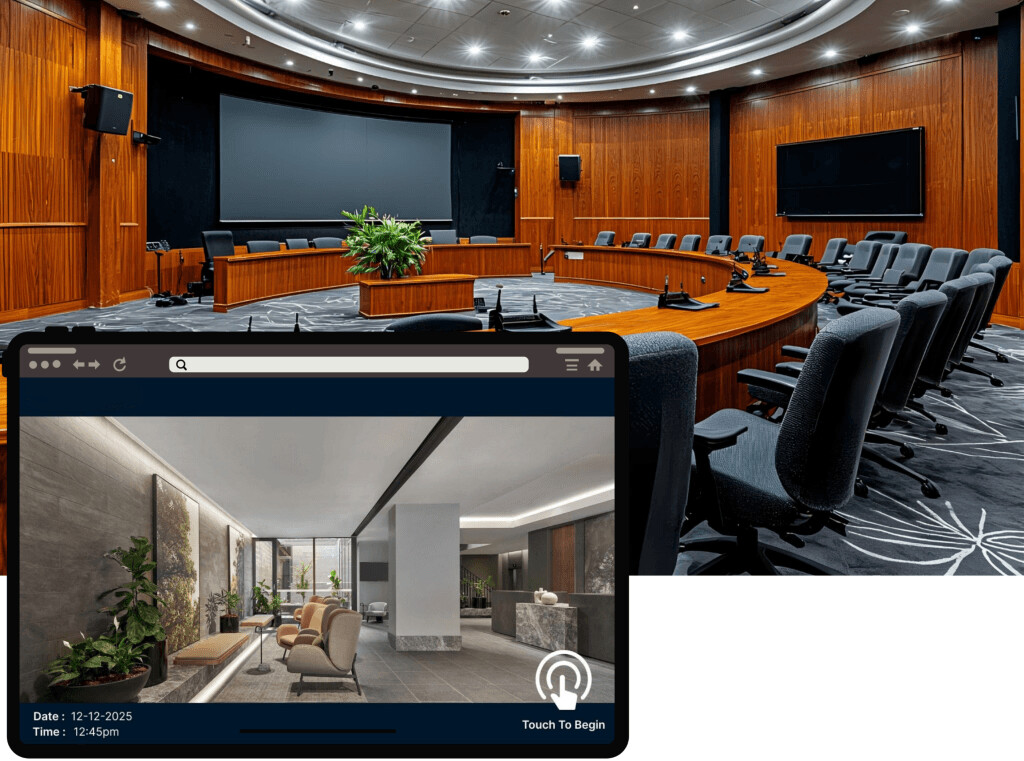
Audio-Visual Commissioning: The Final Step That Makes AV Systems Work Perfectly
When an audio-visual system is installed, the job is not truly complete until it has been properly tested, calibrated, and verified. This final phase is known as audio-visual commissioning. It ensures that every component—displays, speakers, microphones, control systems, and networks—works together exactly as designed.
AV commissioning is the bridge between installation and real-world performance. Without it, even the most expensive technology can deliver poor sound, unreliable video, or complicated user experiences.
What Is Audio-Visual Commissioning?
Audio-visual commissioning is the structured process of testing, verifying, and fine-tuning AV systems after installation. Its goal is to ensure that the delivered system matches the original design intent and performs as expected in the actual space.
During commissioning, specialists:
- Review installed equipment against design specifications
- Test system functionality and performance
- Identify and document issues
- Create a punch list of items that require correction
- Fine-tune audio, video, and control settings
This stage typically occurs after the contractor installs the equipment but before the system is handed over to the client.
Why AV Commissioning Matters
- Ensures the System Meets Design Goals
Commissioning confirms that the system delivered matches the client’s original objectives and technical specifications.
- Detects Problems Before Handover
Issues such as wiring errors, incorrect configurations, or defective equipment are identified and fixed during commissioning.
- Improves Reliability and Performance
Commissioning is essentially a quality-control process that ensures systems are defect-free and ready for daily use.
- Reduces Post-Installation Disruptions
Some providers even conduct off-site testing before final installation to minimise disruptions and complications.
Key Steps in the AV Commissioning Process
While the exact approach varies by project, most AV commissioning follows a structured sequence.
- Installation Review
Technicians verify that all equipment has been installed according to drawings and specifications.
- Functional Testing
Each component—such as microphones, displays, cameras, and control panels—is tested to confirm it operates correctly.
- Performance Measurements
Specialised tools are used to measure audio clarity, speech intelligibility, and video brightness.
- System Calibration
Audio levels, delays, and equalisation are adjusted to create natural, consistent sound throughout the space.
- Punch List Creation
Any issues discovered are documented in a punch list for the contractor to fix before final acceptance.
- Final Verification and Handover
Once corrections are completed, the system is re-tested and approved for client use.
What Gets Tested During Commissioning?
A professional commissioning process examines every part of the AV environment, including:
- Audio clarity and speech intelligibility
- Microphone performance and noise levels
- Speaker alignment and phase
- Display brightness and colour accuracy
- Video conferencing functionality
- Control system responsiveness
- Network connectivity and integration
Commissioning may reveal issues like disconnected speakers or configuration errors—problems that can significantly affect performance but may not be obvious during installation.
Commissioning vs. Installation: What’s the Difference?
| Installation | Commissioning |
| Physical setup of AV equipment | Testing and optimisation of the system |
| Focuses on wiring and mounting | Focuses on performance and user experience |
| Ends when hardware is installed | Ends when the system works as intended |
| Conducted by technicians | Conducted by engineers or consultants |
Installation builds the system. Commissioning makes it work properly.
Benefits of Professional AV Commissioning
Organisations that invest in proper commissioning gain several advantages:
- Consistent performance across all rooms
- Reduced downtime after deployment
- Improved user satisfaction
- Faster troubleshooting if issues arise
- Longer system lifespan
Professional teams conduct detailed test plans and inspections to ensure no defects remain before handover.
Common Spaces That Require AV Commissioning
AV commissioning is essential in environments where reliability and clarity are critical:
- Corporate boardrooms and meeting rooms
- University lecture theatres
- Auditoriums and performance venues
- Healthcare facilities
- Government buildings
- Training and collaboration spaces
In these settings, even small audio or video issues can disrupt communication and productivity.
Conclusion
Audio-visual commissioning is a critical step that ensures AV systems perform as designed. It transforms installed equipment into a reliable, easy-to-use solution by testing, calibrating, and verifying every component.
Without proper commissioning, organisations risk poor sound quality, unreliable meetings, and ongoing technical issues. With it, they gain confidence that their investment will deliver clear communication, smooth collaboration, and long-term performance.
Contact Us:
Email : team@zapperrav.com
Contact : +61488877066 , +6421701435, +1(661) 375-3378 (USA)
Website : https://zapperrav.com/