Challenges Faced by Manufacturing Industries When Using Bucket Steam Traps and How to Mitigate Them

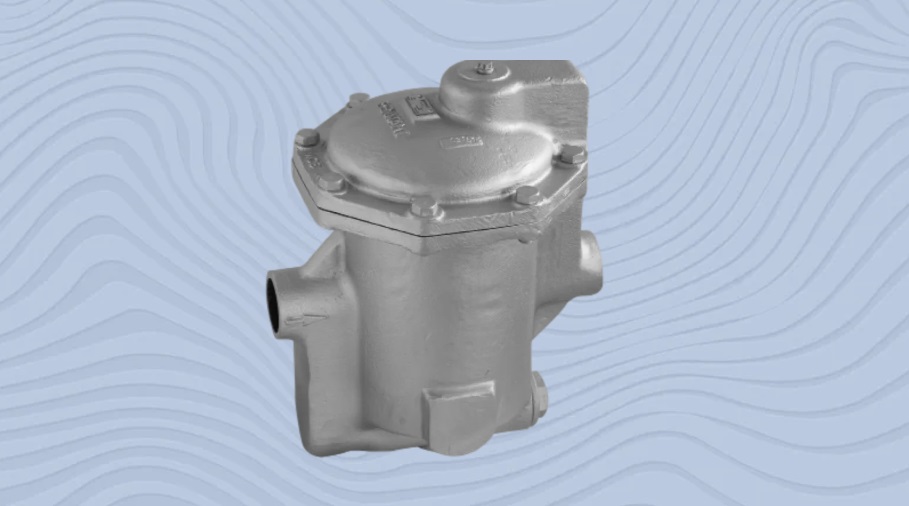
Steam traps play a crucial role in ensuring the efficient operation of steam systems, especially in manufacturing industries where steam is used for heating, power generation, and various other applications. Among the different types of steam traps, bucket steam traps are commonly used due to their reliability and efficiency in handling condensate removal. However, like any piece of equipment, they come with their own set of challenges that can affect the overall performance of a manufacturing plant. In this blog, we’ll explore these challenges and provide solutions for their mitigation.
1. Corrosion and Wear
One of the most significant issues faced by manufacturing industries using bucket steam traps is corrosion and wear. Over time, the components of a bucket steam trap, particularly the bucket and its valve seat, can corrode due to exposure to high-pressure steam and condensate that may contain impurities such as oxygen, carbon dioxide, and dissolved minerals. This corrosion leads to poor sealing, reduced performance, and premature failure.
Mitigation: To combat corrosion, industries can use steam traps made of materials that are resistant to corrosion, such as stainless steel or alloyed metals. Regular maintenance and monitoring are essential to identify early signs of corrosion. Installing filters and water treatment systems to remove impurities from the steam can also extend the life of steam traps.
2. Inadequate Condensate Drainage
Bucket steam traps are designed to discharge condensate from the steam system. However, if the trap fails to operate correctly, it can result in the accumulation of condensate, which can lead to water hammer, system inefficiency, and even damage to equipment. One of the reasons for inadequate drainage could be the failure of the bucket to rise and fall properly, usually due to debris clogging or wear on internal components.
Mitigation: Implementing regular inspection schedules to clean and maintain steam traps can prevent blockages and ensure smooth operation. In some cases, the installation of a strainer upstream of the steam trap can help prevent debris from entering the trap. Additionally, ensuring that steam traps are sized correctly for the application and flow conditions can minimize issues related to inadequate drainage.
3. Thermal Shock and Pressure Fluctuations
Thermal shock occurs when the bucket steam trap is subjected to sudden temperature changes or pressure fluctuations, leading to cracks, deformation, and reduced efficiency. Manufacturing facilities with fluctuating steam pressures or rapid heating cycles are particularly vulnerable to this issue.
Mitigation: To reduce the risk of thermal shock, it’s crucial to ensure that steam systems operate within the correct pressure and temperature range. Installing pressure-reducing valves and ensuring stable steam supply conditions can help maintain system consistency. In addition, opting for steam traps with better thermal shock resistance or using advanced trap designs may improve reliability.
4. Failure to Close Properly
Bucket steam traps operate based on the principle of buoyancy, where the bucket floats when the condensate level is low and drops when the trap is full. However, if the bucket doesn’t drop correctly or if the valve doesn’t close properly, steam can escape, leading to energy loss and inefficiency.
Mitigation: Regular maintenance and testing, including checking the trap’s mechanical components and ensuring they are free from obstruction, are essential in avoiding this issue. Upgrading to more advanced steam trap models with improved control mechanisms can also help in preventing improper closing.
5. Energy Loss and Inefficiency
One of the major concerns with any steam trap is the potential for energy loss. If the bucket steam trap is not discharging condensate efficiently or is leaking steam, it can lead to wasted energy, reduced system efficiency, and higher operational costs.
Mitigation: Routine testing of steam traps for leaks and ensuring that condensate is being discharged properly is vital to minimize energy losses. Using a combination of visual inspections and electronic monitoring systems can help identify malfunctioning traps before they cause significant inefficiencies.
While bucket steam traps are a reliable solution for many manufacturing industries, they are not without their challenges. By taking proactive measures such as regular maintenance, proper system design, and investing in high-quality materials, manufacturers can mitigate these challenges and ensure optimal performance. For companies seeking to improve their steam systems, it’s crucial to partner with experts who can guide them in choosing the right steam traps and maintenance strategies.