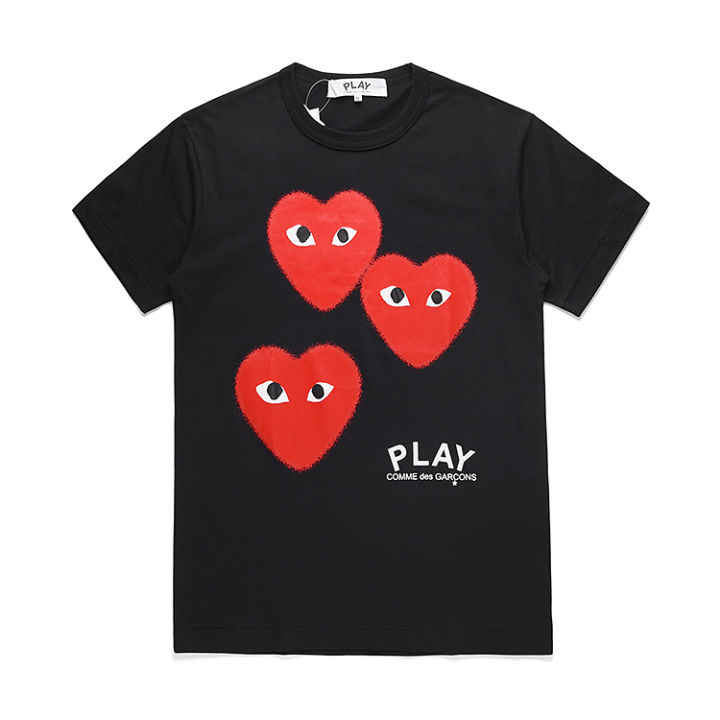
Comme des Garçons, the brainchild of Japanese designer Rei Kawakubo, has been a revolutionary force in the fashion industry since its inception in 1969. Known for its avant-garde designs, unconventional aesthetics, and boundary-pushing concepts, Comme des Garçons (often abbreviated as CDG) has become a symbol of innovation and artistic expression in fashion.
The Origins of Comme des Garçons
Rei Kawakubo founded Comme des Garçons in Tokyo, where the brand initially started as a womenswear label. The name, which translates to “like boys” in French, reflects Kawakubo’s desire to challenge traditional gender norms in fashion. From the beginning, CDG was characterized by its minimalist, monochromatic designs and its rejection of the typical notions of femininity.
In the early 1980s, Comme des Garçons made its debut in Paris, shaking the fashion world with its deconstructed garments, oversized silhouettes, and often austere aesthetic. Kawakubo’s designs were starkly different from the opulent and colorful styles that dominated the fashion scene at the time. This divergence not only set CDG apart but also established Kawakubo as a visionary designer who was unafraid to defy the status quo.
The Aesthetic of Comme des Garçons
Comme des Garçons is synonymous with the avant-garde. Kawakubo’s approach to design often involves deconstruction, asymmetry, and a focus on form over function. The brand is known for creating pieces that challenge conventional beauty standards, often incorporating elements of imperfection, distortion, and asymmetry.
1. Deconstruction and Asymmetry
Deconstruction is a hallmark of CDG’s design philosophy. Kawakubo often takes traditional garments and reinterprets them by breaking down their structure and reconstructing them in unexpected ways. This results in pieces that appear unfinished or irregular, yet are meticulously crafted. Asymmetry, another key element of CDG’s aesthetic, is used to create visual interest and challenge the viewer’s perception of balance and harmony in fashion.
2. Monochrome and Minimalism
While CDG has explored various color palettes over the years, it is perhaps most famous for its use of black. Kawakubo has described black as a color that “protects” and allows the wearer to focus on the form and texture of the garment rather than being distracted by color. The minimalist approach in many of CDG’s collections emphasizes shape, texture, and the interplay between the garment and the body, rather than relying on decorative elements.
3. Conceptual and Thematic Collections
Each Comme des Garçons collection is often centered around a specific concept or theme, which Kawakubo explores through her designs. These themes can range from abstract ideas like “invisible clothing” to more concrete inspirations such as the exploration of armor or the human form. Kawakubo’s collections are less about following trends and more about making a statement or provoking thought, making each runway show a unique artistic performance.
Comme des Garçons Play: A Commercial Success
While the main Comme des Garçons line is known for its avant-garde designs, the brand also has several sub-labels that cater to different audiences. One of the most successful and widely recognized is Comme des Garçons Play.
1. Iconic Heart Logo
Comme des Garçons Play is distinguished by its iconic heart logo, designed by Polish artist Filip Pagowski. The logo, with its playful eyes, has become a symbol of the brand’s more accessible and casual approach to fashion. CDG Play offers a range of items, including t-shirts, hoodies, and sneakers, that are more straightforward and wearable compared to the main line’s avant-garde pieces.
2. Collaborations
CDG Play is also known for its collaborations with other brands, most notably with Converse. The Comme des Garçons x Converse Chuck Taylor sneakers, featuring the signature heart logo, have become a staple in streetwear fashion. These collaborations allow CDG to reach a broader audience while maintaining its distinct identity.
Comme des Garçons in Popular Culture
Comme des Garçons has had a significant impact on popular culture and the fashion industry at large. The brand’s influence extends beyond the runway, with its designs frequently appearing in art exhibitions, museums, and even music videos.
1. Influence on Other Designers
Rei Kawakubo’s work with Comme des Garçons has inspired countless designers, both established and emerging. Her fearless approach to design and her ability to consistently innovate has set a standard for what it means to be a true visionary in fashion. Many designers cite Kawakubo as a major influence on their work, particularly in the realms of deconstruction and conceptual fashion.
2. Museum Exhibitions
The significance of Comme des Garçons in the fashion world was cemented in 2017 when the Metropolitan Museum of Art in New York dedicated its annual Costume Institute exhibition to Rei Kawakubo and her work. Titled “Rei Kawakubo/Comme des Garçons: Art of the In-Between,” the exhibition showcased Kawakubo’s exploration of dualities and contradictions in her designs, further solidifying her status as an artist as much as a fashion designer.
3. Cultural References
Comme des Garçons has been referenced in various cultural contexts, from music to film. The brand’s unique aesthetic and its position as a symbol of cutting-edge fashion have made it a frequent point of reference in discussions about style, art, and creativity.
The Legacy of Comme des Garçons
Comme des Garçons continues to be a driving force in the fashion industry, constantly challenging norms and pushing the boundaries of what fashion can be. Rei Kawakubo’s influence is undeniable, and her work with CDG has left an indelible mark on the industry. Whether through the avant-garde designs of the main line or the more commercial success of sub-labels like CDG Play, Comme des Garçons remains a symbol of innovation, creativity, and fearless expression in fashion.