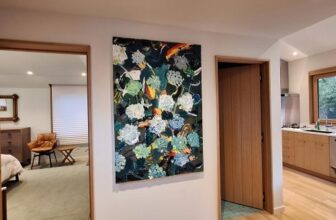
Choosing the right flooring for your home is more than just a practical decision; it’s a foundational aspect of your interior design. The flooring you select can greatly influence the atmosphere and aesthetic of your living spaces. Achieving a cohesive look with your flooring choices is essential for creating harmony throughout your home. Here’s a comprehensive guide to help you make informed decisions when selecting flooring options that work well together.
1. Understand Your Style
Before diving into flooring materials, it’s crucial to identify your overall design style. Here are some popular styles to consider:
- Modern: Clean lines, minimalism, and neutral tones characterize this style. Flooring options like polished concrete or sleek hardwood can enhance the modern vibe.
- Traditional: Rich woods and classic patterns work well. Look for timeless materials like oak or herringbone tile designs.
- Rustic: Natural textures and earthy tones define rustic design. Opt for reclaimed wood or textured stone to add warmth and charm.
- Industrial: Raw materials and a blend of old and new create an industrial feel. Concrete, steel, and large-format tiles can be excellent choices.
Tip: Gather inspiration from design magazines, websites like Flooring World, and social media platforms to visualize your style.
2. Choose a Consistent Color Palette
Once you have identified your style, the next step is to select a cohesive color palette for your flooring. Here’s how to do it effectively:
- Start with a Base Color: Choose a base color that resonates with your style. For example, warm woods can provide a welcoming atmosphere, while cooler tones can offer a more contemporary feel.
- Use Accent Colors: Incorporate accent colors through area rugs, tiles, or specific flooring sections to create visual interest. Ensure these accents complement the base color.
- Consider Room Transitions: Keep in mind that different rooms may have varying lighting conditions. Make sure your chosen palette looks cohesive in different lighting scenarios.
Tip: Visit Flooring World for a wide range of color options and samples to visualize how they work together.
3. Select the Right Material
Different materials can have a significant impact on the overall look and feel of your home. Here’s a breakdown of common flooring materials:
- Hardwood: Offers warmth and timeless appeal. It works well in most design styles, but it’s essential to select a finish that complements your color palette.
- Laminate: A budget-friendly alternative to hardwood that mimics its appearance. Choose high-quality laminate for durability and aesthetic appeal.
- Tile: Available in various styles, including ceramic, porcelain, and natural stone. Tiles are great for high-traffic areas and can create a sleek look when used consistently throughout your home.
- Vinyl: A versatile and water-resistant option that can mimic other materials. Vinyl is ideal for kitchens and bathrooms while offering a range of design possibilities.
Tip: Consider the longevity and maintenance of the flooring materials you choose. Durable options will save you time and money in the long run.
4. Create Visual Flow
To ensure your flooring choices create a cohesive look, consider how different spaces connect with each other. Here are some strategies:
- Consistent Flooring Across Rooms: Using the same flooring material and color in adjacent rooms creates a seamless transition. This is especially effective in open-concept layouts.
- Area Rugs: In spaces with different flooring materials, use area rugs to define areas while tying the look together. Choose rugs that incorporate colors from both flooring options.
- Transitional Pieces: If you need to switch materials (e.g., from hardwood to tile), consider using a transitional piece like a threshold or trim that matches both styles.
Tip: Explore Flooring World for various flooring options that allow for seamless transitions and visual flow between spaces.
5. Consider Functionality
While aesthetics are essential, functionality should also play a significant role in your flooring choices. Here’s what to keep in mind:
- Traffic Levels: High-traffic areas require durable flooring materials. Consider options like tile or laminate that can withstand wear and tear.
- Room Use: Different rooms serve various purposes. For instance, kitchens and bathrooms benefit from water-resistant flooring, while bedrooms may prioritize comfort with softer materials like carpet.
- Maintenance Needs: Think about how much time you’re willing to spend on maintenance. Some materials require more upkeep than others. For example, hardwood may need refinishing, while tile can be easier to clean.
Tip: Check out Flooring World for maintenance guidelines and product recommendations that fit your lifestyle.
6. Pay Attention to Texture
Texture can add depth and character to your flooring choices. Consider incorporating a mix of textures for a more dynamic look:
- Smooth vs. Textured: Pair smooth flooring (like polished tiles) with textured options (like rustic wood) to create visual contrast.
- Layering Materials: Use different textures within the same material category. For example, mix matte and glossy finishes to add interest without overwhelming the space.
- Rug Layers: Layering area rugs over hard surfaces can introduce warmth and comfort while enhancing the overall design.
Tip: Experiment with various textures and finishes at Flooring World to find combinations that resonate with your style.
7. Seek Professional Guidance
If you feel overwhelmed by the options, don’t hesitate to seek professional advice. Interior designers or flooring specialists can provide valuable insights into:
- Material Compatibility: They can suggest materials that work well together and provide samples for you to test in your space.
- Layout Planning: Professionals can help with layout designs that maximize the visual appeal of your flooring choices.
- Installation Recommendations: Proper installation is crucial for the longevity and appearance of your flooring. Experts can guide you on the best practices.
Tip: Utilize the resources available on Flooring World to connect with professionals who can help you create your desired look.
Conclusion
Creating a cohesive look with your flooring choices is essential for enhancing the overall aesthetic of your home. By understanding your style, selecting a consistent color palette, and considering functionality, you can achieve a harmonious design that flows seamlessly from room to room. With the right materials, textures, and professional guidance, your flooring can elevate your home’s beauty and comfort.
Explore Flooring World for a wide variety of flooring options, design inspiration, and expert advice to help you make the best choices for your home.