Dental implants are a transformative solution for replacing missing teeth, offering a durable and natural-looking alternative to traditional dentures or bridges. However, achieving the best outcomes with dental implants requires more than just the surgical procedure; it involves a comprehensive care plan that includes rehabilitation services.
In this blog, we’ll explore the essential components of a comprehensive care plan for dental implants and the role of rehabilitation services in ensuring successful outcomes.
Understanding Dental Implants
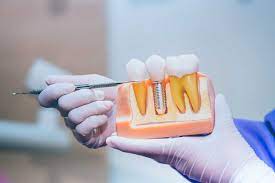
Dental implants are artificial tooth roots placed into the jawbone to support replacement teeth. They consist of three main parts:
- The titanium post that is surgically inserted into the mandible is known as the implant fixture.
- Abutment: The connector that secures the crown in place by fastening to the implant fixture.
- Crown: The portion of the implant that is visible and has a natural-looking appearance.
The process of getting dental implants involves several stages, including initial consultation, implant placement, a healing period, and finally, the attachment of the crown. While the surgical placement of implants is a critical step, the overall success of the treatment depends on effective rehabilitation and comprehensive care.
The Importance of Comprehensive Care Plans
A comprehensive care plan for dental implants ensures that every aspect of the patient’s journey is addressed, from pre-surgery to long-term maintenance. This holistic approach helps maximize the implants’ success and improve the patient’s overall experience.
Components of a Comprehensive Care Plan
1. Pre-Surgical Assessment and Planning
- Detailed Evaluation: A thorough evaluation is conducted before the implant procedure. This includes assessing the patient’s oral health, medical history, and jawbone structure. Diagnostic imaging, such as X-rays or CT scans, may be used to plan the placement of the implants accurately.
- Personalized Treatment Plan: A personalized treatment plan is developed based on the evaluation. This plan outlines the type and number of implants needed, the timeline for the procedure, and any additional treatments required, such as bone grafting.
- Patient Education: Educating the patient about the procedure, recovery process, and care requirements is crucial. This helps set realistic expectations and prepares the patient for what to expect.
2. Surgical Procedure and Immediate Care
- Implant Placement: The surgical procedure involves placing the implant fixtures into the jawbone. Depending on the patient’s needs, this may be done under local anesthesia, sedation, or general anesthesia.
- Post-Operative Care: Patients receive detailed post-operative care instructions after the procedure. These include guidance on managing discomfort, maintaining oral hygiene, and recognizing signs of potential complications.
- Follow-Up Appointments: Regular follow-up appointments monitor the healing process and ensure the implants integrate well with the jawbone. This allows for early detection and management of any issues that may arise.
3. Rehabilitation and Restoration
- Abutment Placement: The abutments are placed once the implants have integrated with the jawbone. This step is essential for attaching the final crowns and ensuring they fit properly.
- Crown Fitting: The final crowns are custom-made to match the patient’s natural teeth. This process involves taking impressions of the mouth to ensure a precise fit and natural appearance.
- Functional and Aesthetic Adjustments: The crowns are adjusted to ensure proper bite function and aesthetic alignment with the surrounding teeth. This ensures that the final result looks natural and functions effectively.
4. Long-Term Maintenance and Follow-Up
- Regular Check-Ups: To keep an eye on the condition of the surrounding tissues and the implants themselves, routine dental exams are necessary. During these consultations, the dentist can evaluate the implants’ state, give them a thorough cleaning, and resolve any issues.
- Oral Hygiene Education: Patients are educated on maintaining excellent oral hygiene practices, including brushing, flossing, and using antimicrobial mouth rinses. This helps prevent issues such as peri-implantitis, which can affect the longevity of the implants.
- Lifestyle Considerations: Patients are advised on lifestyle factors impacting oral health, such as avoiding smoking and managing conditions like diabetes. These considerations are crucial for maintaining the health and longevity of dental implants.
The Role of Rehabilitation Services
Rehabilitation services are vital in the comprehensive care plan for dental implants. These services focus on restoring function and aesthetics, ensuring the implants blend seamlessly with the natural dentition.
1. Prosthodontics
Artificial tooth design, fabrication, and fitting are the areas of expertise for prosthodontists. They work closely with dentists to customize crowns and other prosthetic components for optimal fit and function.
2. Periodontics
The condition of the gums and surrounding tissues around the implants is the main concern of periodontists. They manage gum health, treat any signs of infection, and ensure the implants integrate properly with the jawbone.
3. Orthodontics
Orthodontic therapy could be required in some circumstances to address alignment problems before to or following implant implantation. Orthodontists can help ensure that the implants fit correctly within the overall alignment of the teeth.
4. Oral Surgery
When further surgical procedures are needed to prepare the jawbone for implant placement, such as bone grafting or sinus lifts, oral surgeons may be involved in the case. Their expertise ensures the foundational structures are in place for successful implant integration.
Conclusion
A comprehensive care plan for dental implants encompasses all stages of treatment, from initial assessment and surgical placement to rehabilitation and long-term maintenance. Patients can get the best results from their dental implants by combining several dental disciplines and emphasizing both functional and cosmetic goals. Effective rehabilitation services, with diligent post-operative care and ongoing maintenance, ensure that dental implants are a lasting and valuable solution for missing teeth, enhancing oral health and overall quality of life.