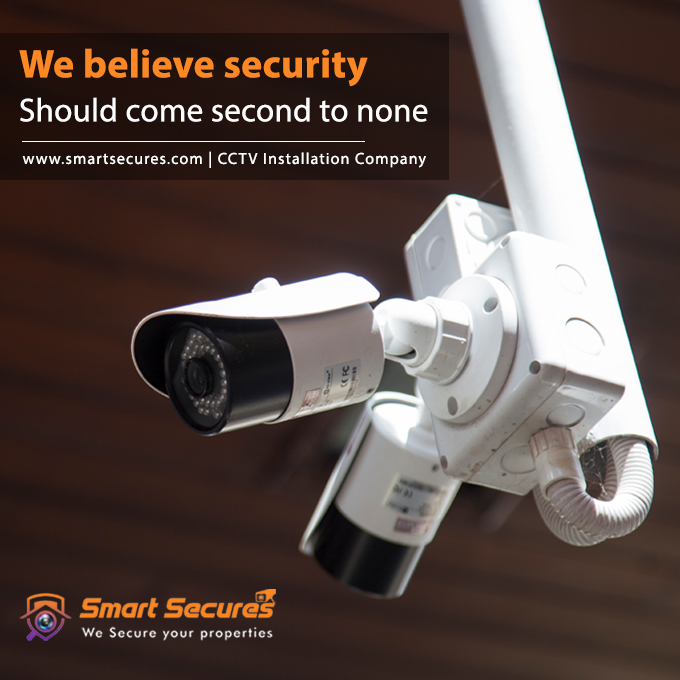
Installing CCTV cameras in large properties requires careful planning and consideration to ensure comprehensive security coverage. Whether you’re securing a large residential estate, an industrial complex, or a commercial building, following essential tips can make a significant difference in the effectiveness of your surveillance system.
1. Assess Your Security Needs
- Identify Vulnerable Areas: Start by identifying key areas that require monitoring, such as entry points, perimeters, and any isolated sections of the property.
- Determine Coverage Requirements: Decide how much of the property you want to cover and consider potential blind spots.
2. Plan the Camera Layout
- Conduct a Site Survey: Perform a thorough survey of the property to determine optimal camera placements.
- Create a Detailed Blueprint: Map out the location of each camera, ensuring that important areas are covered without overlap.
3. Choose the Right Cameras
- Fixed vs. PTZ Cameras: Decide between fixed cameras for static views or PTZ CCTV cameras for wider coverage.
- Outdoor-Ready Cameras: Opt for weatherproof and vandal-resistant cameras for outdoor installations.
- Low-Light Capabilities: Ensure cameras have night vision or low-light capabilities for 24/7 monitoring.
4. Ensure Proper Installation
- Strategic Placement: Install cameras at strategic points to cover critical areas, such as entrances, exits, and perimeters.
- Height and Angle Considerations: Mount cameras at a height and angle that maximizes visibility while minimizing tampering risks.
- Cable Management: Ensure all cables are securely and neatly installed, preferably concealed to avoid tampering.
5. Integrate with Other Security Systems
- Link with Alarm Systems: Integrate your CCTV, alarm systems to trigger recordings and alerts during a security breach.
- Access Control Integration: Use CCTV to monitor and verify entry points controlled by access systems.
- Use of Motion Sensors: Combine with motion sensors to activate cameras and lights when movement is detected.
6. Set Up a Monitoring System
- Centralized Monitoring: Consider setting up a control room for real-time monitoring of multiple camera feeds.
- Remote Access: Enable remote access to camera feeds via mobile devices or computers for on-the-go monitoring.
- Multi-Screen Displays: Use multiple screens to monitor several areas of the property simultaneously.
7. Address Power and Connectivity
- Reliable Power Supply: Ensure a stable power supply with backups like UPS or generators to keep cameras operational during outages.
- Wired vs. Wireless: Choose between wired connections for stability or wireless setups for flexibility, depending on the property’s infrastructure.
- Signal Boosters: Use signal boosters or repeaters if the property is large and the cameras are spread out to maintain connectivity.
8. Consider Data Storage Options
- On-Site vs. Cloud Storage: Decide between local storage for immediate access and control or cloud storage for remote access and scalability.
- Data Retention: Set policies on how long footage is stored based on your security needs and legal requirements.
- Backup Solutions: Implement regular backups to prevent data loss in case of system failure.
9. Maintenance and Upkeep
- Regular Inspections: Schedule regular inspections and AMC maintenance of the cameras to ensure they are functioning correctly.
- Software Updates: Keep the system’s firmware and software up to date for enhanced security features and functionality.
- Addressing Issues Promptly: Have a plan in place to quickly address any technical issues or malfunctions.
10. Compliance with Legal Requirements
- Understand Local Laws: Familiarize yourself with local regulations regarding the use of CCTV cameras, especially about privacy.
- Clear Signage: Place clear signage indicating that CCTV is in operation to inform and comply with legal requirements.
- Respect Privacy: Ensure cameras are not infringing on private areas where surveillance is not permitted.
Conclusion
Properly installing CCTV cameras in large properties is crucial for effective security management. By assessing your security needs, planning the layout, choosing the right equipment, and integrating other security systems, you can ensure that your property is well-protected. Regular maintenance and compliance with legal standards will also help maintain the system’s effectiveness over time.