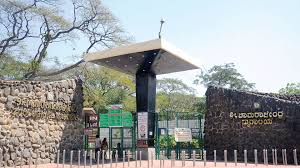
Mysore Zoo is among the oldest zoo in India and one of the most visited zoo by the tourists in the country. Officially called Sri Chamarajendra Park, it falls in the Karnataka state in Mysore. The zoo comprises animals, birds, and reptiles, a place to visit for wildlife lovers and tourists alike. The zoo houses over 150 species of animals, including threatened species and exotic wildlife, thereby giving a rarely found insight into the diversity of the animal kingdom.
Mysore Zoo Park: A Glimpse into Its History and Significance
Mysore Zoo Park was established in 1892 by Maharaja Chamarajendra Wadiyar and covers an area of 250 acres. What began as a royal menagerie has eventually developed into one of the best-regulated zoo in India. This zoo is considered an essential unit in conserving wildlife due to the significant work it has carried out regarding several conservation and breeding programs throughout its history. From the onset, the objective of the zoo was to instruct people about conservation through wildlife education in a secured environment for its inhabitants.
The zoo’s layout is so well-planned that animals live in a more natural habitat; it contains diverse landscapes such as grasslands, forests, and water bodies. Mysore Zoo is a popular destination not only for local people but also for the whole world; thus, it can be a form of entertainment along with educating them on the preservation of wildlife.
The Fascinating Animals at Mysore Zoo: A Rich Diversity
Mysore Zoo Animals are a variety of species from all over the world. Visitors to the zoo are treated to an opportunity to view native and exotic animals, including mammals, birds, reptiles, and amphibians.
Mammals: Majestic Creatures of the Wild
The zoo has a very wide variety of mammal species, such as big cats including the Bengal Tiger, Asian Lion, and Leopard, the Indian Elephant, Giraffe, and Zebra. The majestic creatures are kept in enclosures well designed to reflect their natural habitats, which helps them show natural behaviors. The zoo is also home to rare species, such as the Indian Wolf and White Rhinoceros.
One of the main attractions in the zoo for visitors is the sight of anacondas and other large reptiles. The gigantic creature is something awe-inspiring, and many people would be attracted by the size and movement of the creatures.
Birds: The Vibrant Avian Life
The zoo also features a wonderful collection of Mysore Zoo Birds. Here, visitors can experience the fantastic blend of bird species in awe-inspiring variety. Birds like peacocks and parrots, vultures and owls are portrayed as prominent features of the zoo collection. Aviaries with such designs provide them with enough space to fly around and experience their environment. So, this space is best suited for their well-being.
Some of the more prominent bird species that are to be found here are the Indian Hornbill, Flamingo, Macaws, and Lovebirds. The zoo’s bird section offers an excellent scope for bird lovers to closely view these birds of wonder.
Reptiles and Amphibians: A Glance into the Cold-Blooded World
Mysore Zoo also has an impressive collection of reptiles, such as the anaconda, Indian Cobra, King Cobra, and many species of tortoises and lizards. All of these reptiles are kept in special enclosures that suit their needs, like warm, humid environments for snakes and cooling spaces for amphibians.
The Mysore Zoo Anaconda is one of the prime attractions for visitors since the anaconda is one of the largest snakes in the world, known for its sheer size and strength. Witnessing these reptiles slither through their enclosures is an exhilarating experience for those interested in the world of snakes and other reptiles.
Mysore Zoo Name: A Historical Perspective
The Mysore Zoo name is steeped in the city of Mysore’s historical past. Once a small, royal menagerie, it began under the maharaja called Maharaja Chamarajendra Wadiyar, and was called the Sri Chamarajendra Park as an homage to that maharaja who founded its inception. The name is symbolic of the cultural and historical importance of the zoo since it is associated with the royal family that played a pivotal role in developing Mysore as a cultural center in southern India.
Why Visit Mysore Zoo Park?
Mysore Zoo Park is an excellent destination for various reasons. Here are a few highlights:
Wildlife Conservation Efforts
It contributes significantly to the conservation of wildlife by breeding endangered species and promoting awareness about animal protection. Species preservation is at the core of Mysore Zoo, such as breeding white tigers and Indian rhinos, among others. The zoo cares for the ecological balance and biodiversity of the natural ecosystem.
Educational Experience
For a tourist, Mysore Zoo presents a great opportunity to know about various species of animals, their habits, and the need for conservation. It is a great place for school and college groups since it blends entertainment with education. Tourists can participate in information sessions, watch films, and seek information from the staff associated with the zoo.
Scenic Beauty and Cleanliness
The zoo is set amidst lush greenery and offers a beautiful, peaceful environment for a day out. The well-maintained park ensures that the animals live in a clean, spacious, and natural environment. For families, it’s a great place to spend a day in nature while also learning about wildlife.
Interactive Exhibits and Special Attractions
Mysore Zoo features some of the more interactive exhibits where visitors can really get involved. The zoo always holds regular events and special exhibitions targeting certain species or conservation topics. One of the most popular features at Mysore Zoo includes the Anaconda exhibit, showing the enormous size of the snake and its activity.
The ideal time to visit the zoo is during the cooler months from October to March, when the weather is pleasant and the animals are more active. During the summer months, the temperatures can rise significantly, making the visit less comfortable.
How to Reach Mysore Zoo
The zoo is centrally located in the heart of Mysore city. It is thus accessible by road. The nearest railway station, Mysore Railway Station, is 2 km away. The nearest airport is 10 km from the Mysore Zoo. You can easily reach the zoo from major transit points such as local taxis, buses, and auto-rickshaws.
Conclusion: A Must-Visit Wildlife Destination
The Mysore Zoo stands as a testament to India’s commitment to wildlife preservation, offering a glimpse into the country’s rich biodiversity. Whether you are a wildlife enthusiast, a nature lover, or simply someone looking for a fun family outing, Mysore Zoo is a fantastic place to visit. With its wide array of animals, from anacondas to Indian elephants, and its dedication to conservation, Mysore Zoo is a jewel in the crown of Indian zoo.