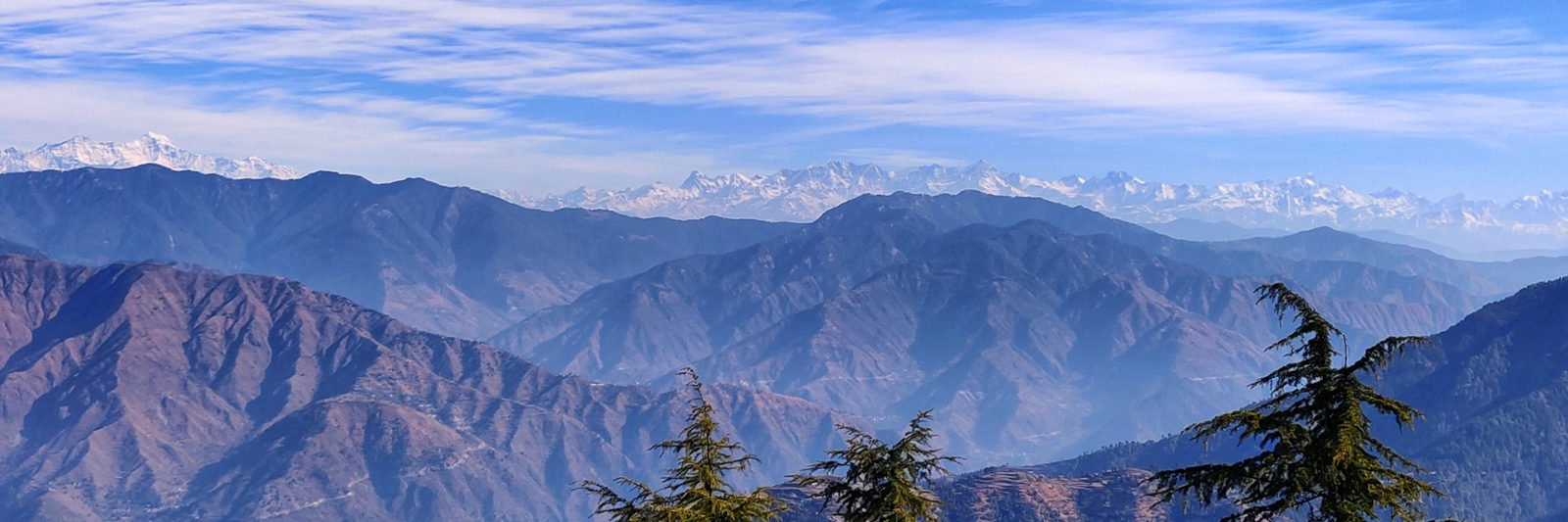
Located in the Queen of Hills, Mussoorie, Lal Tibba Scenic Point is a serene and breathtaking destination. Known as the highest point in Mussoorie, at about 2,275 meters (7,464 feet) above sea level, Lal Tibba offers an escape into the untouched beauty of the Himalayas. It is a popular spot for tourists, adventurers, photographers, and nature enthusiasts who seek solace and stunning landscapes.
With sweeping views of snow-capped peaks, dense forests, and charming villages dotting the surrounding hillsides, Lal Tibba promises a memorable experience for those who make the journey. In this article, we’ll explore everything you need to know about Lal Tibba, including its history, attractions, how to reach it, the best times to visit, and why it’s a must-see spot in Mussoorie.
History and Significance of Lal Tibba Scenic Point
Lal Tibba, which means “Red Hill,” has historical significance as it was a key observation post for the British military during their rule in India. The site has retained its charm over the decades, and it is now a place where visitors can admire panoramic views of the Garhwal Himalayas and the Doon Valley.
The area is home to several television towers and an old British telescope, which provides close-up views of the distant peaks. In addition to its natural beauty, Lal Tibba is also known for its proximity to the Landour area, which has remnants of British colonial architecture, giving visitors a glimpse into the town’s colonial past.
Key Attractions at Lal Tibba Scenic Point
- Breathtaking Panoramic Views: The most enchanting feature of Lal Tibba is undoubtedly the spectacular views it offers. From this viewpoint, you can see several prominent Himalayan peaks, including Nanda Devi, Kedarnath, and Badrinath, on a clear day. Watching the sunrise and sunset here is an experience in itself, as the golden hues of the sun bathe the peaks in a mesmerizing glow.
- The Telescope for Closer Views: Installed by the municipality, a vintage telescope at Lal Tibba Scenic Point offers visitors a chance to zoom in on the distant snow-clad peaks. This telescope adds to the experience, giving visitors a closer look at the beauty of the Himalayan ranges and allowing them to appreciate the intricate details of nature.
- Cafés with a View: The scenic point is surrounded by quaint little cafés that offer not only warm beverages and snacks but also fantastic views of the mountains. Many visitors love to relax here with a hot cup of tea or coffee, soaking in the tranquillity and beauty around them. The Lal Tibba Binocular and Telescope Cafe is particularly famous for its scenic ambience.
- Trek through Pine and Deodar Forests: To reach Lal Tibba Scenic Point, visitors pass through dense forests filled with towering pine and deodar trees. This trek is an attraction in itself, offering a peaceful, refreshing atmosphere away from the bustling town. For those interested in bird watching, these forests provide ample opportunities to spot various species of Himalayan birds.
- Landour – The Colonial Remains: Near Lal Tibba, the quaint village of Landour is another attraction worth exploring. Known for its colonial architecture and heritage, Landour was once a British cantonment and still retains some old-world charm. The serene ambience and well-preserved structures, including the Landour Bazaar, enhance the appeal of the area, making it an ideal stop on the way to or from Lal Tibba.
- The Heritage of Lal Tibba Hill: Along with its natural beauty, Lal Tibba has a rich cultural heritage, with tales and folklore woven into the history of the region. Exploring Lal Tibba isn’t just about appreciating the views; it’s also about immersing yourself in the stories and legends passed down by locals.
How to Reach Lal Tibba Scenic Point
Lal Tibba is located in Landour, about 6 kilometres from Mussoorie’s main town. The journey to this scenic point is as delightful as the destination itself, offering picturesque views along the way. Here are some common modes of transportation to reach Lal Tibba:
- By Road: You can reach Lal Tibba by hiring a taxi or using local transport from Mussoorie. The roads are well-maintained, and the journey takes around 20-30 minutes from Mall Road in Mussoorie. For those who enjoy walking, the route to Lal Tibba is ideal for a leisurely hike.
- On Foot: Many visitors prefer trekking to Lal Tibba from Mussoorie. The trail is well-marked and provides ample opportunities to enjoy the surrounding natural beauty. It takes about an hour of uphill walking to reach the top, making it a rewarding experience for adventure lovers.
- By Bike: Renting a bike is another popular option among tourists, as it allows flexibility in exploring not only Lal Tibba but also other nearby attractions in Landour and Mussoorie.
Best Time to Visit Lal Tibba Scenic Point
The best time to visit Lal Tibba is during the summer months from April to June and then again from September to November. During these months, the weather is pleasant, with clear skies and great visibility, perfect for sightseeing and photography.
Monsoon Season (July-August): While the monsoon season brings lush greenery to the region, heavy rainfall can lead to slippery roads and occasional landslides, making travel difficult. However, if you enjoy rain-soaked landscapes and solitude, the monsoon season can offer a unique experience.
Winter Season (December-February): Winters at Lal Tibba can be chilly, with temperatures often dropping below zero. However, the snow-covered peaks and surrounding landscapes create a magical winter wonderland. It’s ideal for those who enjoy cold weather and don’t mind bundling up.
Tips for Visiting Lal Tibba Scenic Point
- Carry Essentials: Although the trek to Lal Tibba is moderate, it’s advisable to carry essentials like water, snacks, a hat, sunscreen, and comfortable trekking shoes.
- Bring Binoculars or Use the Telescope: The telescope at Lal Tibba offers a close-up view, but carrying binoculars can enhance your experience by allowing you to explore different sections of the scenic view.
- Start Early: Arriving early in the morning, particularly for sunrise, allows you to enjoy the peak in relative solitude and to capture photos without crowds. It also provides you with a chance to spot more wildlife along the trails.
- Dress in Layers: The weather in the mountains can change quickly. Layering your clothing allows you to adjust easily if the temperature drops or rises.
- Respect Nature and Local Culture: Like many natural spots in India, Lal Tibba is not just a tourist attraction but a place of cultural importance to locals. Respect the environment by not littering and observing local customs.
- Photography Permits: While taking photos is generally allowed, be mindful if there are restricted areas, especially near the towers and military zones.
Why Lal Tibba Scenic Point Should Be on Your Bucket List
Lal Tibba Scenic Point is a destination that goes beyond just sightseeing. It’s an experience that combines natural beauty, cultural heritage, adventure, and tranquillity. For those seeking an escape from the fast-paced urban lifestyle, Lal Tibba provides the perfect setting to unwind and reconnect with nature. Its panoramic views of the Himalayan ranges, charming cafés, and peaceful ambiance make it one of Mussoorie’s best-kept secrets.
Whether you’re a solo traveller, a couple, or a family, Lal Tibba offers something for everyone. The memories you’ll create here, watching the sunrise over the Himalayas or simply soaking in the peace of the hills, are bound to stay with you forever.
Conclusion
Lal Tibba Scenic Point is a gem in Mussoorie’s crown, combining the region’s natural beauty with historical significance and cultural charm. A visit to Lal Tibba is not just a trip to the mountains—it’s a journey into the heart of the Himalayas, offering peace, adventure, and memories to last a lifetime. Whether you’re visiting Mussoorie for the first time or are a returning traveller, make sure Lal Tibba Scenic Point is on your itinerary. With its stunning views, rich history, and tranquil setting, Lal Tibba is a destination that epitomizes the beauty and allure of India’s hill stations.