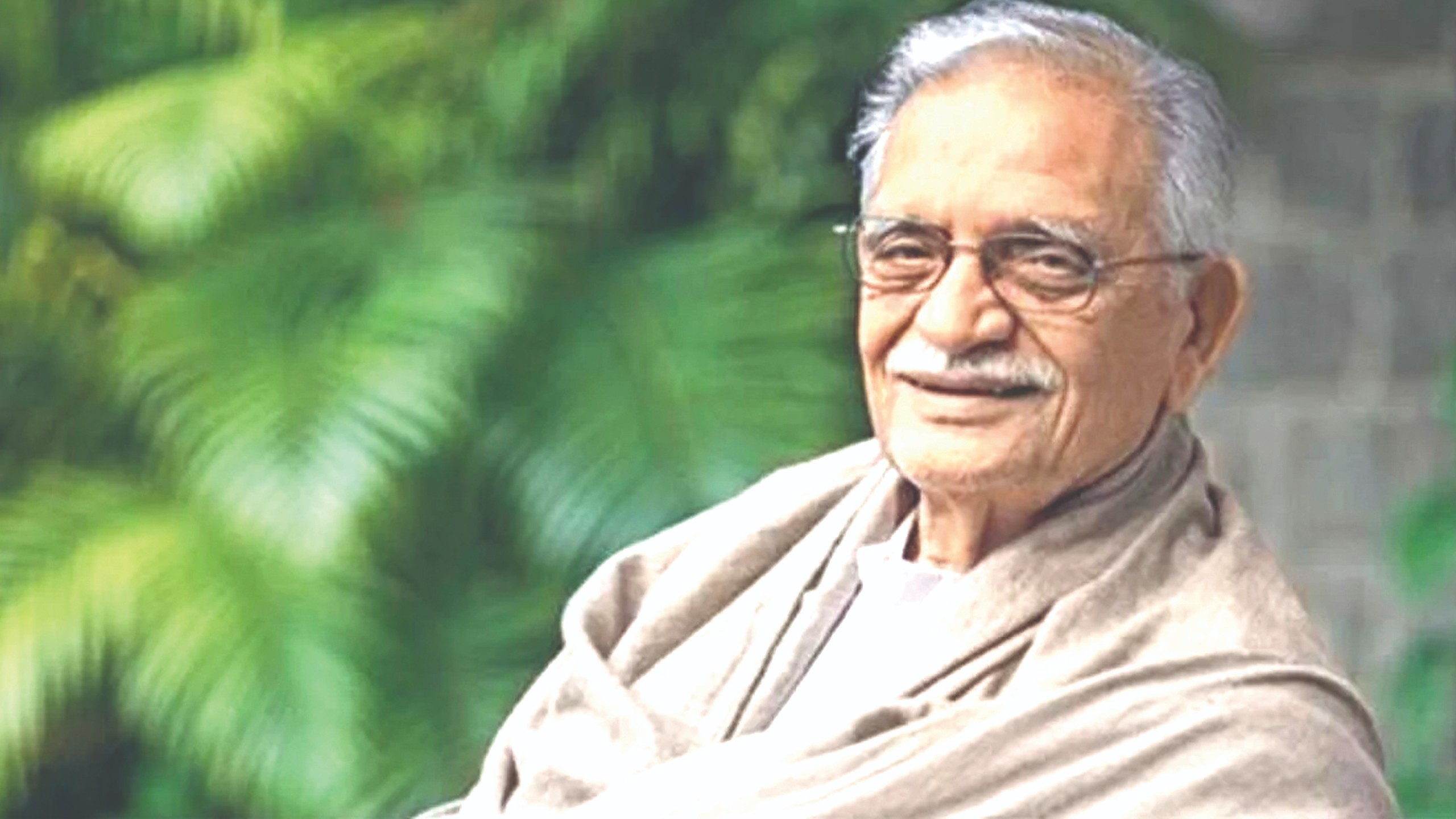
In the sprawling world of Bollywood, few names resonate with as much grace and artistry as Gulzar. Born Sampooran Singh Kalra on August 18, 1934, Gulzar has donned many hats — poet, lyricist, scriptwriter, director, and author. Known for his mastery over language and his ability to weave emotions into words, Gulzar has significantly influenced Indian cinema and literature. His contributions have transcended time, leaving an indelible mark on millions of hearts. This article explores the journey of Gulzar, his poetic brilliance, and how he became an iconic figure in Indian cinema.
Early Life and Literary Beginnings:
Gulzar’s journey is one of resilience and passion. Born in a small town in British India, he witnessed the horrors of the Partition, an event that deeply influenced his writing. His love for literature blossomed early, and he found solace in the works of great Urdu and Hindi poets like Mirza Ghalib, Allama Iqbal, and Rabindranath Tagore.
Gulzar’s initial foray into the arts wasn’t without struggles. After moving to Mumbai, he worked in a garage while penning poetry in his free time. His big break came when he was introduced to music director S.D. Burman, who recognized his talent and offered him an opportunity to write lyrics for the 1963 film Bandini. The song “Mora Gora Ang Lai Le” marked the beginning of a long and illustrious career.
Crafting a Poetic Legacy in Bollywood:
Gulzar’s lyrics are a blend of simplicity and profound depth. His ability to communicate complex emotions through everyday language is unparalleled. Songs like “Tujhse Naraz Nahin Zindagi” from Masoom and “Tere Bina Zindagi Se” from Aandhi exemplify his poetic sensibility.
A hallmark of Gulzar’s writing is his use of metaphors and imagery. He brings a poetic perspective to life’s everyday moments, elevating them to universal themes of love, loss, and longing. His words are not merely lyrics but a narrative that complements the mood and essence of the films.
Some of his most iconic collaborations were with R.D. Burman, creating timeless melodies such as “Musafir Hoon Yaaron” (Parichay), “Aane Wala Pal” (Golmaal), and “Do Naina Ek Kahani” (Masoom). Each of these songs carries Gulzar’s signature touch — emotive, poignant, and enduring.
Expanding Horizons: Filmmaking and Direction
While Gulzar gained immense popularity as a lyricist, he didn’t limit himself to songwriting. He ventured into filmmaking, crafting movies that were as poetic as his lyrics. Films like Aandhi (1975), Mausam (1975), and Ijaazat (1987) showcased his storytelling prowess, where every frame was infused with his poetic vision.
His directorial ventures often explored themes of human relationships, societal expectations, and inner conflicts. For instance, Ijaazat delves into the complexities of love and letting go, while Aandhi is a nuanced take on the personal sacrifices demanded by political ambition.
Gulzar’s transition from writing to filmmaking allowed him to expand his artistic expression. His films, much like his songs, struck a chord with audiences and critics alike, earning him multiple National Film Awards.
The Timelessness of Gulzar’s Work:
What sets Gulzar apart is the timeless quality of his work. His songs, written decades ago, remain relevant today. Tracks like “Chaiyya Chaiyya” from Dil Se and “Beedi Jalaile” from Omkara demonstrate his versatility in writing for different genres and generations.
Gulzar’s ability to adapt to changing times while staying true to his poetic roots is remarkable. Whether writing for soulful melodies or high-energy dance numbers, his lyrics always maintain their poetic essence. His work bridges the gap between traditional and contemporary music, making it relatable to audiences of all ages.
Gulzar’s Global Recognition:
Gulzar’s contributions have not gone unnoticed internationally. He was awarded an Academy Award and a Grammy for penning the lyrics of “Jai Ho” from Slumdog Millionaire, in collaboration with A.R. Rahman. This achievement further cemented his status as a global icon.
In addition to these accolades, Gulzar has been honored with numerous national awards, including the Padma Bhushan and the Dadasaheb Phalke Award. His body of work is a testament to his unparalleled artistry and dedication to his craft.
Legacy and Influence:
Beyond his individual contributions, Gulzar’s influence on Indian cinema and literature is immeasurable. His daughter, Meghna Gulzar, continues his legacy in the world of filmmaking, creating impactful movies like Raazi and Chhapaak. Their collaborations showcase how Gulzar’s artistic ethos has inspired and shaped the next generation.
Moreover, Gulzar has inspired countless poets, lyricists, and filmmakers who see him as a beacon of creativity and excellence. His works are studied and celebrated in literary and cinematic circles, ensuring that his legacy endures.
Conclusion:
Gulzar journey from a young poet in post-Partition India to a stalwart of Bollywood and global cinema is a story of talent, passion, and perseverance. His poetic brilliance has touched the hearts of millions, making him a cultural icon whose work will continue to inspire generations.
Immerse yourself in the magic of Gulzar’s words. Listen to his timeless tracks on Spotify, revisit his classic films, and dive into his poetry to experience the depth of his artistry. Let Gulzar’s world of emotions, metaphors, and stories take you on an unforgettable journey.