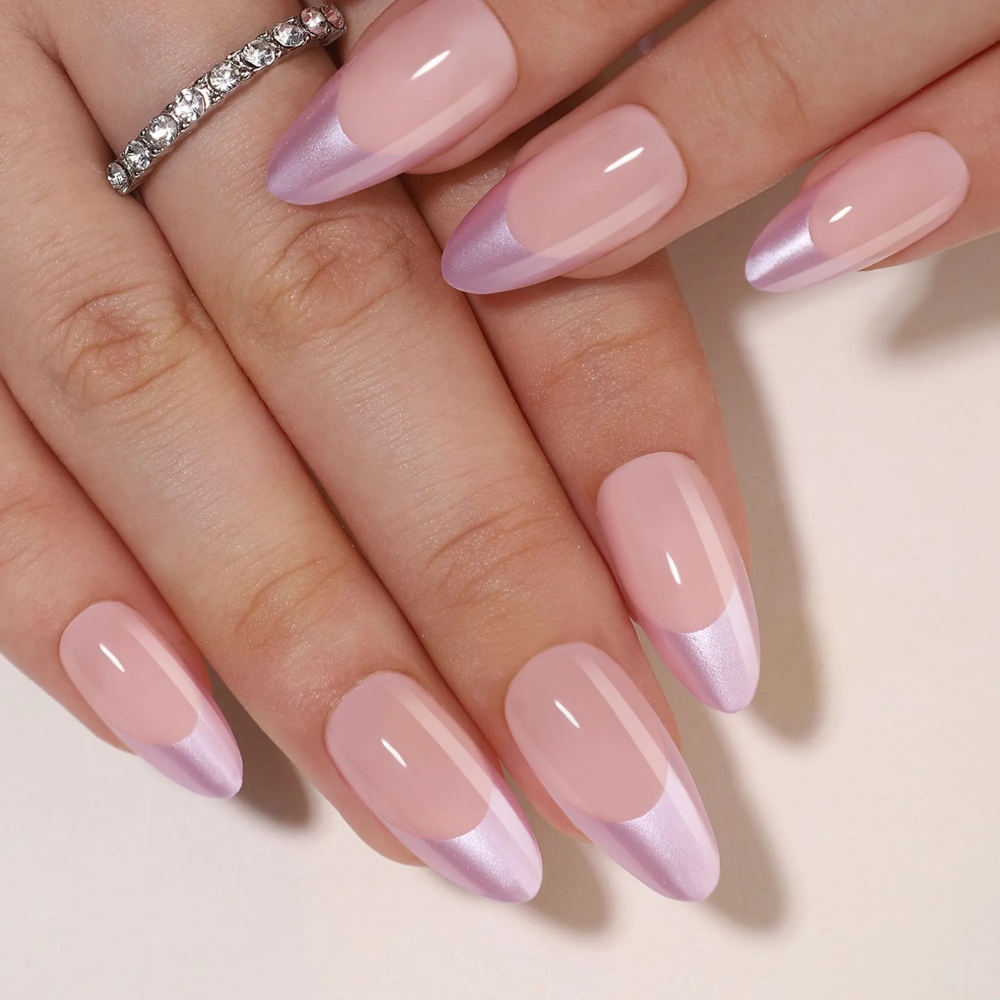
Press-on nails, also known as fake nails, stick-on nails, or nail appliqués, have become increasingly popular due to their convenience, affordability, and the wide variety of styles and designs they offer. These nails allow individuals to achieve salon-quality manicures without the need for professional appointments. Below is an overview of how press-on nails are produced, highlighting the key steps involved in their manufacturing process.

Raw Materials Selection
The production of press on nails begins with the selection of high-quality materials. The primary material used is acrylic or gel, which is known for its durability and flexibility. Some manufacturers may also opt for polyvinyl chloride (PVC) or polyurethane for a more lightweight and flexible option. Additionally, adhesives, typically glues formulated specifically for nail application, are essential for ensuring the nails stay securely on the fingertips.
Design and Mold Creation
Once the materials are chosen, the next step is to design the nails. This involves creating digital templates or hand-sketching various shapes, lengths, and styles, such as almond, oval, square, and stiletto. Based on these designs, molds are then crafted using either silicone or metal. These molds serve as the framework for shaping the nails and ensure consistency in size and shape across batches.
Molding and Forming
The selected material is then poured into the molds and allowed to set or cure. For acrylic or gel nails, this may involve a chemical reaction that hardens the material into the desired shape. In the case of PVC or polyurethane, heat may be used to soften the material before it is pressed into the mold and cooled to retain its shape.
Finishing Touches
After the nails have hardened or cooled, they undergo a finishing process. This includes trimming any excess material, smoothing out rough edges, and buffing the surface to give it a natural shine or the desired texture. Some manufacturers may also apply a protective coating to enhance durability and prevent chipping.
Decoration and Customization
Presson nails are known for their versatility in design. Manufacturers offer a range of decorations, from simple polishes and glitter to intricate patterns, jewels, and even 3D elements. These decorations are applied using various techniques, such as hand-painting, airbrushing, or adhering pre-made designs. Customization options allow customers to choose nails that match their personal style, outfit, or occasion.
Packaging and Labeling
Once the nails are fully decorated and inspected for quality, they are carefully packaged to protect them from damage during transportation. Each set is typically packaged in a small, often reusable container, along with instructions for application and removal. Labeling includes information about the brand, size, design, and any special care instructions.

Distribution and Sale
Finally, the press-on nails are ready for distribution. They are shipped to retailers, both physical and online, where they are made available for purchase. With the rise of e-commerce, many press on nails manufacturers also sell directly to consumers through their own websites, offering a seamless shopping experience.
In conclusion, the production of press-on nails involves a combination of artistry and technology, blending creativity with precision to create beautiful, durable nail enhancements. From raw material selection to final packaging, each step is crucial in ensuring that consumers receive a product that meets their expectations for style, quality, and convenience.