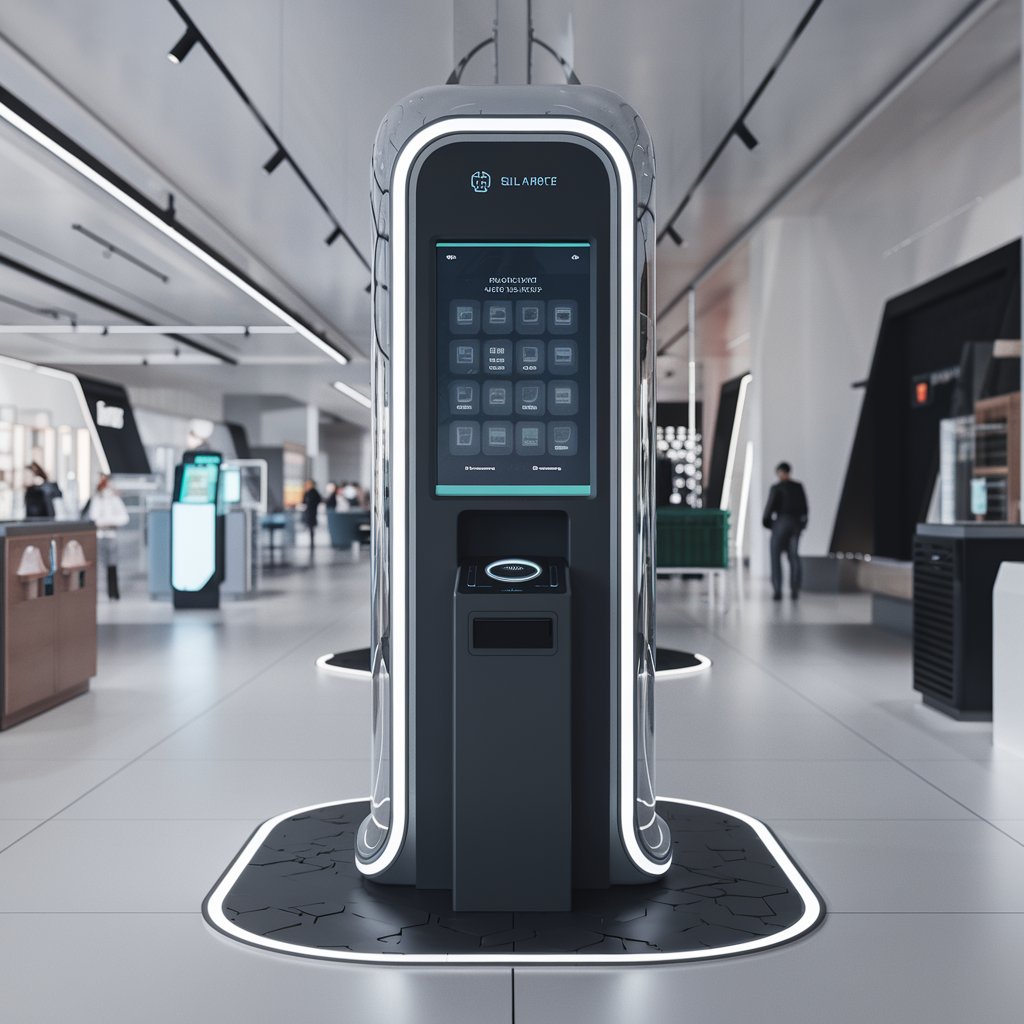
What is a Money Transfer Kiosk? Purpose
Money transfer kiosks are self-service machines used to send money, either locally or internationally; money sending and receiving kiosks can located at convenience stores, malls, or transportation hubs. One does not need a bank to access these kiosks; thus, there is always an option to make fast, on-the-go transactions.
Historical Context of Money Transfer Services
Money transfer services have been around for centuries, ranging from simple paper-based transfer to sophisticated electronic systems. However, what used to be the preserve of banks has gradually become more accessible through various platforms due to technological advancement-meaning ATMs and kiosks-just reflecting how clients’ needs and expectations have changed.
Introduction to Technology’s Impact on Financial Services
Technology has drastically changed financial services by making them more accessible, faster, and safer. Money transfer kiosks contribute to this, incorporating digital instruments that ease payment, secure data, and meet the requirements of a tech-friendly client.
The Role of Digital Innovations in Money Transfer Kiosks
Contactless Payment Methods
Benefits of Contactless Payments
Contactless payment is easier and quicker because consumers will just tap their cards or smartphones to carry out a transaction. This ease of usability speeds up the process and reduces physical contact, reasons more crucial than ever in a post-pandemic world.
Security Measures of Contactless Payments
Contactless payments introduce encryption and tokenization which render it hard to intercept sensitive information from fraudsters, therefore a safer transaction.
User Adoption and Trends in Usage
Contactless payments have witnessed radical increases in usage, particularly amongst the younger class of users. The concept gains acceptance rapidly worldwide. In order to meet the expectations of consumers for speed and convenience, many kiosks have already placed this technology into practice.