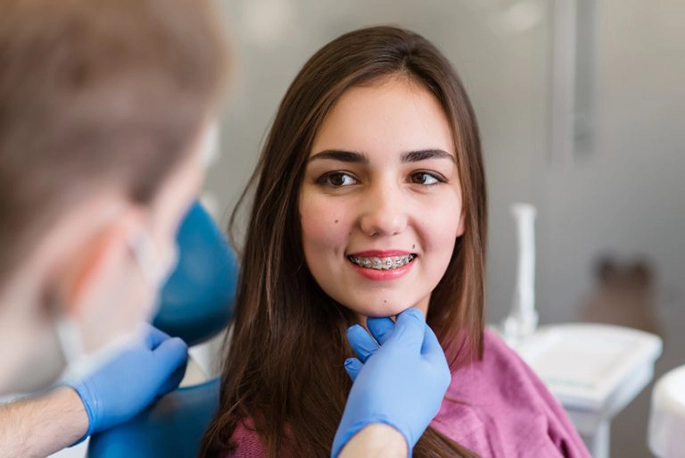
After spending months or even years in orthodontists treatment, it’s finally time to remove your braces and enjoy your beautiful new smile. However, achieving the perfect smile doesn’t end when the braces come off. To ensure that your teeth remain in their new positions and maintain their alignment, retainers play a crucial role in the post-treatment phase. In this article, we’ll discuss the importance of retainers, how to maintain your smile after braces, and the steps you can take to preserve the results of your treatment.
Why Retainers Are Essential After Braces:
Retainers are custom-made devices that help keep your teeth in their new positions after your braces are removed. Orthodontic treatment moves your teeth into alignment, but your gums and bone need time to adjust to the new position of your teeth. Without a retainer, your teeth can shift back to their original positions, a phenomenon known as relapse.
1. Preventing Relapse:
Teeth are naturally inclined to move back to their original positions after braces are removed. The retainer prevents this from happening by holding your teeth in place while your mouth adjusts to the changes.
- Stabilizing the Teeth: Retainers help stabilize the new positions of your teeth by applying gentle pressure to guide them into their final alignment.
- Preventing Shifting: Without the use of a retainer, teeth are likely to shift back, which can lead to the need for further orthodontic treatment down the road.
2. The Different Types of Retainers:
There are several types of retainers available, and your orthodontist will recommend the one that best suits your needs. Below are the most common types of retainers:
1. Fixed Retainers:
A fixed retainer is a thin wire that is bonded to the back of your teeth, typically on the lower teeth, to hold them in place.
- Advantages: Fixed retainers are permanent, meaning you don’t have to worry about remembering to wear them. They are ideal for people who are prone to forgetting or losing removable retainers.
- Disadvantages: They can be more difficult to clean and may require more frequent visits to the orthodontist for adjustments.
2. Removable Retainers:
Removable retainers are made of clear plastic or a combination of wire and plastic, and they can be taken out when eating, drinking, or brushing your teeth.
- Advantages: These retainers are easy to clean and offer a more discreet appearance. They also allow for easy maintenance of oral hygiene as they can be removed during brushing and flossing.
- Disadvantages: It’s essential to wear them consistently, as failure to do so can lead to relapse.
3. Clear Aligners as Retainers:
Some orthodontists may offer clear aligners, such as Invisalign, as retainers. These aligners are transparent and fit snugly over the teeth, maintaining their alignment.
- Advantages: Clear aligners are discreet, comfortable, and easy to remove for cleaning.
- Disadvantages: Like removable retainers, clear aligners require consistent use to prevent tooth shifting.
How Long Should You Wear a Retainer After Braces?:
The duration of retainer wear varies depending on the individual’s specific orthodontic needs and treatment plan. However, most orthodontists recommend the following guidelines:
1. Initial Phase:
Immediately after removing your braces, you will likely be advised to wear your retainer full-time, usually 22 hours a day, except when eating or drinking. This phase typically lasts for a few months.
- Consistency is Key: Consistent wear during this phase is crucial for ensuring that your teeth stay in their newly aligned positions.
- Adjustment Period: During the first few months, your teeth may feel sensitive or slightly sore as they adjust to the retainer. This is normal and should subside after a short period.
2. Maintenance Phase:
After the initial phase, the orthodontist will likely advise you to wear your retainer at night for a long-term maintenance period. Some people may need to wear their retainers for up to a year or more, depending on their individual situation.
- Nighttime Wear: Nighttime wear can usually continue for an extended period, as long as you’re not experiencing any shifting or discomfort.
- Regular Check-Ups: Your orthodontist will monitor your progress during follow-up visits to ensure that your teeth remain stable.
Retainer Care and Maintenance:
Proper care and maintenance of your retainer are essential to ensure that it remains in good condition and continues to do its job effectively. Below are some key tips for keeping your retainer clean and functional:
1. Clean Your Retainer Regularly:
Cleaning your retainer is crucial to prevent the buildup of bacteria, plaque, and odors.
- Daily Cleaning: Use lukewarm water and a toothbrush to gently clean your retainer daily. Avoid using hot water, as it can distort the shape of the retainer.
- Use Retainer Cleaner: You can also use special retainer cleaning solutions or tablets designed to remove plaque and odors. Soak your retainer as directed by the product.
- Avoid Harsh Chemicals: Never use toothpaste or harsh chemicals to clean your retainer, as they can damage the material.
2. Store Your Retainer Properly:
When you’re not wearing your retainer, always store it in a protective case to prevent damage or loss.
- Avoid Heat: Do not leave your retainer in direct sunlight or in a hot car, as excessive heat can warp the material.
- Safe Storage: Make sure to keep the retainer in its case when not in use, and avoid placing it in a napkin or a pocket, as this increases the risk of losing or damaging it.
3. Regular Check-Ups:
Visit your orthodontist regularly to ensure your retainer is still fitting correctly and to monitor the alignment of your teeth.
- Fit Check: Over time, your retainer may need adjustments to ensure it continues to fit properly.
- Routine Appointments: Regular visits allow your orthodontist to catch any issues early and make any necessary modifications to your treatment plan.
Lifestyle Tips to Maintain Your Smile:
Beyond wearing your retainer, there are several lifestyle habits you can adopt to help preserve your smile after braces:
1. Maintain a Healthy Diet:
Eating a balanced diet that’s rich in vitamins and minerals will help keep your teeth and gums strong.
- Limit Sugary Foods: Avoid sugary foods and drinks that can contribute to plaque buildup and tooth decay.
- Eat Calcium-Rich Foods: Foods like dairy products, leafy greens, and almonds provide calcium, which is essential for strong teeth and bones.
2. Practice Good Oral Hygiene:
Maintaining excellent oral hygiene is essential for keeping your teeth healthy after braces.
- Brush Twice a Day: Continue to brush your teeth at least twice a day using fluoride toothpaste.
- Floss Daily: Flossing helps remove plaque and food particles that can get stuck between your teeth.
- Visit Your Dentist: Regular dental check-ups and professional cleanings will help maintain your overall oral health.
3. Avoid Bad Habits:
Certain habits can damage your teeth and compromise the results of your orthodontic treatment.
- Don’t Bite Hard Objects: Avoid biting on pens, ice, or hard foods that can damage your teeth or retainer.
- Don’t Skip Wearing Your Retainer: Failure to wear your retainer as instructed can lead to tooth shifting, requiring additional treatment.
Conclusion:
Maintaining your smile after braces requires commitment and consistency. Wearing a retainer as recommended, practicing excellent oral hygiene, and following a healthy lifestyle will ensure that your teeth stay in their ideal position for years to come. If you’re in Dubai and have recently completed orthodontic treatment, consulting with your orthodontist about the best retainer options and care tips is essential for preserving your beautiful smile. With the right care and attention, you can enjoy a confident, healthy smile for life.