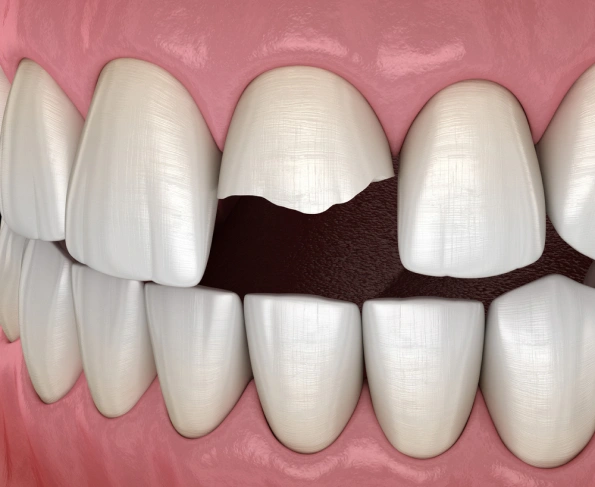
Cracked teeth are more than a cosmetic issue—they can lead to severe pain, infections, and even tooth loss. Whether it’s a hairline fracture from grinding your teeth at night or a serious split caused by chewing something hard, cracked teeth are often avoidable with the right care and habits.
Preventing cracks before they happen is far easier—and more affordable—than undergoing treatment later. Here are the most trusted, dentist-approved tips to help you avoid cracked teeth and protect your smile. If you’re looking to steer clear of frequent dental repairs or cracked tooth treatment in Oshiwara, this guide is for you.
Why Teeth Crack in the First Place
Before we dive into prevention, it’s important to understand what causes teeth to crack. The most common causes include:
-
Biting hard substances like ice, nuts, or hard candy
-
Bruxism (grinding or clenching your teeth, especially during sleep)
-
Large fillings that weaken the natural tooth structure
-
Age-related wear and tear (cracks are more common in people over 40)
-
Sudden temperature changes in the mouth, like eating hot food and drinking cold water
-
Trauma or injury, including sports accidents or falls
Once a tooth cracks, it can’t heal on its own. Depending on the severity, you may need a filling, crown, root canal, or even extraction.
1. Avoid Chewing Hard Foods and Objects
One of the most common reasons for cracked teeth is biting into something too hard. Hard candies, popcorn kernels, ice cubes, and even chewing on pens or fingernails can exert enough pressure to fracture a tooth.
Tip:
-
Cut hard fruits and vegetables into small pieces before eating.
-
Never use your teeth to open bottles, packages, or wrappers.
-
If you love chewing ice, switch to crushed ice instead of cubes—or better yet, avoid the habit altogether.
2. Wear a Mouthguard If You Grind Your Teeth
Bruxism often occurs at night, and many people don’t even realize they grind their teeth while sleeping. The repetitive pressure and motion can cause cracks or even fractured cusps.
Solution:
Visit your dentist for a custom-made night guard. This device cushions your teeth and absorbs the pressure caused by grinding. Mouthguards are especially important for people under high stress or those with a history of jaw clenching.
3. Protect Your Teeth During Sports
If you play contact sports like football, boxing, or basketball, your risk of facial injury is high. A direct impact can chip, crack, or completely knock out a tooth.
What to Do:
Use a professionally fitted mouthguard during all physical activities. Many dental clinics in Oshiwara provide customized sports guards that fit better and offer superior protection compared to over-the-counter versions.
4. Don’t Ignore Small Dental Problems
That tiny chip you’ve been ignoring? It can turn into a large crack if left untreated. Similarly, old or damaged fillings can compromise the strength of a tooth and make it vulnerable.
Recommendation:
Visit your dentist regularly. Catching issues early means they can be fixed before they escalate. A cracked tooth caught in its early stages may only need bonding or a minor repair—instead of a root canal or extraction.
5. Limit Sudden Temperature Changes
Jumping from a hot drink to an icy cold beverage may feel refreshing, but it can stress your enamel. Repeated exposure to temperature extremes causes the tooth to expand and contract, potentially leading to microscopic cracks.
Dentist-Approved Advice:
-
Let hot foods cool slightly before consuming cold items.
-
Avoid extremes altogether if you’ve had previous dental work, as restorations are more sensitive to temperature.
6. Stay Away from Chewing on One Side Only
Favoring one side of your mouth when chewing increases the wear and tear on that side. This uneven pressure can weaken the teeth over time, increasing the risk of cracks.
Fix the Habit:
Try to chew evenly on both sides of your mouth. If you’re avoiding one side due to pain or sensitivity, that’s a sign you should visit a dentist in Oshiwara immediately.
7. Choose the Right Toothbrush and Brushing Technique
Using a hard-bristled toothbrush or applying too much pressure can wear down enamel and irritate the gums. Over time, this increases the likelihood of fractures—especially near the gum line.
What Dentists Recommend:
-
Use a soft-bristled brush.
-
Brush in circular motions with light pressure.
-
Replace your toothbrush every 3 months or after recovering from an illness.
8. Avoid Excessive Teeth Whitening Products
While whitening strips and gels are popular, overusing them—especially without professional guidance—can weaken enamel. Thinner enamel is more prone to cracking.
Safe Practices:
-
Follow your dentist’s instructions when whitening your teeth.
-
Choose in-clinic whitening for safer, controlled results.
9. Strengthen Your Teeth with a Balanced Diet
A healthy mouth starts with proper nutrition. Teeth, like bones, need calcium and other minerals to stay strong.
Include in Your Diet:
-
Dairy products (milk, yogurt, cheese)
-
Leafy greens (spinach, kale)
-
Nuts and seeds (almonds, sesame)
-
Foods rich in phosphorus and vitamin D
Drink plenty of water, especially fluoridated water, to help maintain enamel health.
10. Visit Your Dentist Regularly
Preventive dental visits help spot cracks or enamel weakening before symptoms arise. Your dentist will also check for signs of bruxism, cavities, and gum disease—issues that can indirectly lead to tooth fractures if untreated.
Many people only seek help after the damage is done. But with routine care, you can avoid costly cracked tooth treatment in Oshiwara altogether.
When to See a Dentist Immediately
Even with the best care, accidents happen. Seek dental attention if you experience:
-
Sudden sharp pain while chewing
-
A visible crack or chip in your tooth
-
Pain when releasing bite pressure
-
Sensitivity to hot or cold
-
Swelling near a tooth
Timely treatment can make the difference between saving or losing a tooth.
Final Thoughts
Cracked teeth are common, but in most cases, entirely preventable. With smart daily habits, proper oral care, and professional guidance, you can avoid the discomfort and cost of restorative dental procedures.
If you’re concerned about your risk or need help with bruxism or bite problems, don’t wait. Many skilled dentists offer personalized care and guidance to help you prevent—and not just treat—dental problems. For those seeking cracked tooth treatment in Oshiwara, prevention remains the best first step.