Teeth whitening is a popular cosmetic treatment, designed to give individuals a brighter, more youthful smile. However, if you have dental crowns or fillings, you may wonder whether whitening your teeth will still be effective or safe. In this article, we’ll explore the impact of teeth whitening on crowns and fillings, help you understand what’s involved in the process, and offer alternative options for those with dental restorations.
Understanding Teeth Whitening:
Teeth whitening is a process that removes stains and discoloration from the teeth. It can be performed using over-the-counter products, professional treatments at a dental clinic, or at-home whitening kits prescribed by a dentist. The active ingredient in most whitening products is hydrogen peroxide or carbamide peroxide, which penetrates the enamel to break down stains and brighten the teeth. Whitening is effective on natural tooth enamel but may not have the same effect on dental restorations such as crowns, fillings, veneers, or bridges. This difference in how restorations react to whitening treatments is important for individuals considering Teeth Whitening Dubai, especially those with significant dental work.
The Effect of Whitening on Crowns and Fillings:
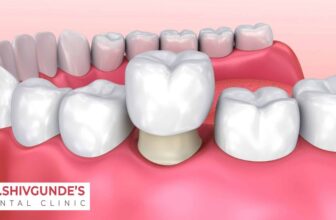
Crowns and fillings are commonly used dental restorations designed to repair or replace damaged teeth. Crowns, often made from porcelain, ceramic, or metal, cover a tooth to restore its shape, size, and strength. Fillings, on the other hand, are used to fill cavities and can be made from materials like amalgam, composite resin, or porcelain.
Unlike natural teeth, these materials do not respond to whitening agents in the same way:
Crowns:
Porcelain or ceramic crowns are highly resistant to staining and are generally durable. However, they do not whiten in response to bleaching treatments. This means that if you whiten your natural teeth, the crown will likely remain the same shade, creating a noticeable mismatch.
Some crowns may slightly change color over time, especially if they are made of composite resin, but whitening treatments won’t significantly alter their appearance.
Fillings:
Composite resin fillings are designed to blend with the color of your natural teeth. Unfortunately, whitening treatments do not affect composite resin fillings. They may become stained over time but won’t lighten with whitening products.
Silver amalgam fillings are not affected by whitening treatments at all. The color of amalgam fillings is set and will not change with any whitening procedure.
Risks of Whitening with Crowns or Fillings:
For individuals with crowns or fillings, there are several potential risks and concerns when considering teeth whitening treatments:
Color Mismatch:
If you have crowns or fillings and undergo whitening, the results may lead to a noticeable difference in color between your natural teeth and the restorations. This can result in an uneven appearance, especially if your crowns or fillings are in visible areas of the mouth.
Sensitivity:
Teeth Whitening in Dubai can sometimes cause sensitivity, particularly for individuals with existing dental work. This sensitivity typically affects the natural teeth but can also occur in the gums or the edges of fillings and crowns. It’s important to note that this may not be a concern for all patients, but it is something to be aware of.
Damage to Existing Restorations:
While teeth whitening itself does not directly damage dental work, certain whitening methods—especially those involving high concentrations of bleaching agents—can cause wear or degrade the bonding material used to place fillings. Overuse of strong bleaching agents can result in weakening the dental work over time.
Alternatives for Whitening with Crowns or Fillings:
If you have crowns or fillings and are concerned about the effectiveness or safety of teeth whitening, here are a few alternatives to consider:
Whitening Only Natural Teeth:
One option is to only whiten your natural teeth and not the teeth with crowns or fillings. This approach ensures that your dental work remains unchanged, but you may need to adjust your expectations for the results. You can also ask your dentist to do a whitening procedure only on the areas where there are no restorations.
Replace Old Fillings or Crowns:
If you are planning a whitening treatment and are unhappy with the color of your existing crowns or fillings, you may consider replacing them. Many people opt to replace old fillings with tooth-colored composite resin fillings after whitening their natural teeth. Porcelain crowns can also be replaced with newer, more aesthetic options if needed.
Veneers:
If you’re concerned about the mismatch in color between your natural teeth and dental restorations, veneers could be an option. Veneers are thin porcelain shells that cover the surface of your teeth and can be customized to match your ideal shade. Veneers can be placed on teeth that have not been whitened and are resistant to stains.
Professional Consultations:
A professional dental consultation is a crucial step before committing to any whitening procedure. A dentist can assess the condition of your crowns and fillings, determine if whitening is a good option, and help guide you to a solution that works for you. In some cases, a dentist might recommend touch-ups or specific treatments tailored to your dental situation.
Conclusion:
While teeth whitening can significantly improve the appearance of your smile, it’s essential to consider the effects on crowns and fillings before starting the treatment. Since whitening agents only work on natural tooth enamel, the process may not yield the desired results for people with dental restorations, and can even cause color mismatches. In these cases, it’s crucial to discuss your options with a dentist to avoid unwanted outcomes. For those with crowns or fillings, there are alternative treatments like replacing old restorations or using veneers, which can offer long-term cosmetic benefits. Ultimately, teeth whitening is a highly effective procedure for individuals with natural teeth but may require a tailored approach for those with extensive dental work. Be sure to consult your dentist for personalized advice before making any decisions about whitening treatments.