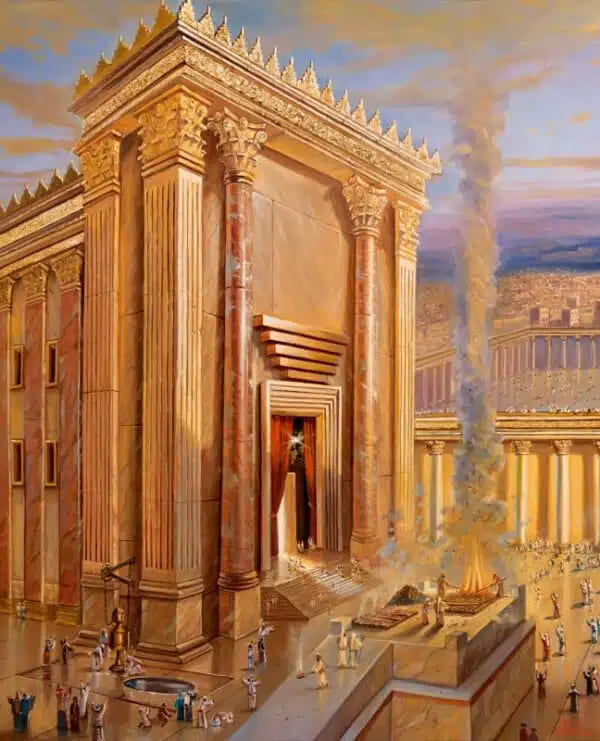
Jewish paintings and Judaica occupy a unique and meaningful place within the world of fine art. Rooted in thousands of years of history, faith and cultural continuity, these artistic expressions serve not only as decorative works but also as visual narratives of identity, resilience and spiritual depth. For collectors, families and institutions, Jewish paintings and Judaica provide a powerful way to connect with heritage while enhancing contemporary living spaces with beauty and significance.
Jewish paintings often depict scenes from biblical stories, Jewish life cycle events, Jerusalem landscapes, and moments of prayer and celebration. Artists draw inspiration from Torah narratives, the Exodus, King David, the prophets, and the eternal city of Jerusalem. Other works focus on everyday Jewish life: Shabbat dinners illuminated by candlelight, weddings beneath a chuppah, children studying Torah, or families gathered for Passover. These themes create emotional resonance because they reflect shared traditions and collective memory.
At the same time, Jewish paintings are not limited to realism. Many contemporary artists interpret Jewish themes through abstract, expressionist or neo-cubist styles. Hebrew letters may become dynamic compositional elements, forming patterns that merge spirituality with modern aesthetics. Jerusalem skylines may be rendered in bold color fields rather than detailed architectural precision. This blending of tradition and innovation allows Jewish paintings to remain relevant in modern interiors while preserving their cultural depth.
Judaica, by contrast, refers to objects and artworks connected to Jewish ritual and tradition. Historically, Judaica included items such as menorahs, mezuzot, Torah ornaments, kiddush cups and candlesticks. These objects were crafted with care and often made from silver, gold or fine textiles to honor sacred practices. Over time, the concept of Judaica expanded to include wall art and decorative pieces inspired by Jewish symbolism and ritual forms.
Today, Judaica art bridges the functional and the aesthetic. A painting of the Western Wall, a calligraphic rendering of the Shema prayer, or an artistic interpretation of the Ten Commandments can be considered Judaica when it reflects Jewish heritage and spiritual meaning. Many collectors seek Judaica not only for religious observance but also as an expression of identity. Displaying Judaica art in a home or office creates a space infused with history and intention.
The growing interest in Jewish paintings and Judaica reflects a broader desire for meaningful decor. In an era of mass-produced design, art that carries cultural and spiritual significance stands apart. A Jerusalem painting above a dining table becomes more than decoration; it becomes a conversation about memory, faith and belonging. A canvas featuring Hebrew calligraphy invites reflection and study. Judaica art connects generations by reminding viewers of stories passed down through families.
Collectors often look for authenticity, craftsmanship and emotional impact when choosing Jewish paintings and Judaica. Original oil paintings, limited edition prints and hand-embellished works offer texture and depth that enhance their presence in a room. Many artists incorporate gold leaf, layered acrylics or mixed media techniques to echo the richness of ancient manuscripts and sacred architecture. These artistic choices elevate Judaica from simple symbolism to museum-quality fine art.
Jerusalem remains one of the most beloved subjects within Jewish paintings and Judaica. The Western Wall, the Temple Mount, the Old City and panoramic views bathed in golden light symbolize continuity and hope. Abstract interpretations of Jerusalem capture its spiritual energy rather than its physical structure. Whether realistic or modern in style, these works allow viewers to feel connected to the heart of Jewish history.
Ultimately, Jewish paintings and Judaica are living expressions of a culture that values memory, learning and creative freedom. They serve as bridges between past and present, sacred and contemporary, personal and communal. By supporting artists who specialize in Jewish themes, collectors help sustain a vibrant artistic tradition that continues to evolve while remaining deeply rooted in heritage.
For those seeking to enrich their homes with meaningful art, Jewish paintings and Judaica offer timeless beauty combined with profound significance. They transform walls into stories, spaces into sanctuaries and everyday life into a celebration of identity and faith.