


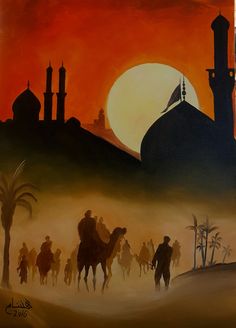
We are Indians, a country with many religions coexisting. However, there is a notable amount of conflict and unrest particularly between the followers of two religions: Islam and Sanatana Dharma (Hinduism). As a result, the differences between these two religions have been highlighted to us through various means, to the extent that we have been compelled to notice them. However, there are many similarities or strange resemblances that we tend to overlook or that are kept hidden from us. One such example is the event of Karbala (Muharram – Ashura, 17th July) and the conversations in the Mahabharata.
The events of Karbala and the conversations in the Mahabharata, particularly the Bhagavad Gita, share several thematic and philosophical similarities, despite their distinct cultural and historical contexts. Here are some notable parallels:
Moral and Ethical Dilemmas
• Karbala: Imam Hussain’s stand against Yazid’s tyranny represents a profound moral struggle. Hussain chooses to uphold justice and righteousness, even at the cost of his life and that of his followers.
• Mahabharata: Arjuna faces a moral crisis on the battlefield of Kurukshetra, questioning the righteousness of fighting his own kin. Lord Krishna guides him to understand his duty (dharma) and the broader moral implications of his actions.
Sacrifice and Duty
• Karbala: Imam Hussain’s sacrifice is seen as the ultimate act of devotion to God and a commitment to ethical principles, symbolizing the importance of standing up for justice and truth.
• Mahabharata: The Bhagavad Gita emphasizes the importance of performing one’s duty without attachment to the results. Krishna advises Arjuna to act according to his dharma as a warrior.
Spiritual Guidance
• Karbala: Imam Hussain’s actions and words provide spiritual and ethical guidance to his followers, emphasizing the values of courage, sacrifice, and steadfastness in faith.
• Mahabharata: Krishna’s discourse to Arjuna in the Bhagavad Gita provides profound spiritual and philosophical insights, discussing concepts like karma, yoga, and the imperishable nature of the soul.
Struggle Against Injustice
• Karbala: The battle of Karbala is a struggle against the unjust rule of Yazid, embodying the fight against tyranny and oppression.
• Mahabharata: The Kurukshetra war is fundamentally a battle against adharma (unrighteousness) represented by the Kauravas, aiming to restore dharma (righteousness).
Legacy and Inspiration
• Karbala: The martyrdom of Imam Hussain has inspired countless generations to uphold justice and resist oppression, becoming a symbol of resistance and moral integrity.
• Mahabharata: The teachings of the Bhagavad Gita have inspired millions to live a life of righteousness, selflessness, and spiritual pursuit.
Both narratives emphasize the importance of upholding righteousness, the ethical conduct of duty, and the profound impact of individual actions on the greater good. They continue to serve as powerful sources of spiritual and moral guidance for their respective communities.
We can take this as an example and find many more similarities if we wish, needing only a little time and thoughtful consideration, along with mutual respect for each other.
“Whoever teaches some knowledge will have the reward of the one who acts upon it, without that detracting from his reward in the slightest.”—Prophet Muhammad (pbuh)


