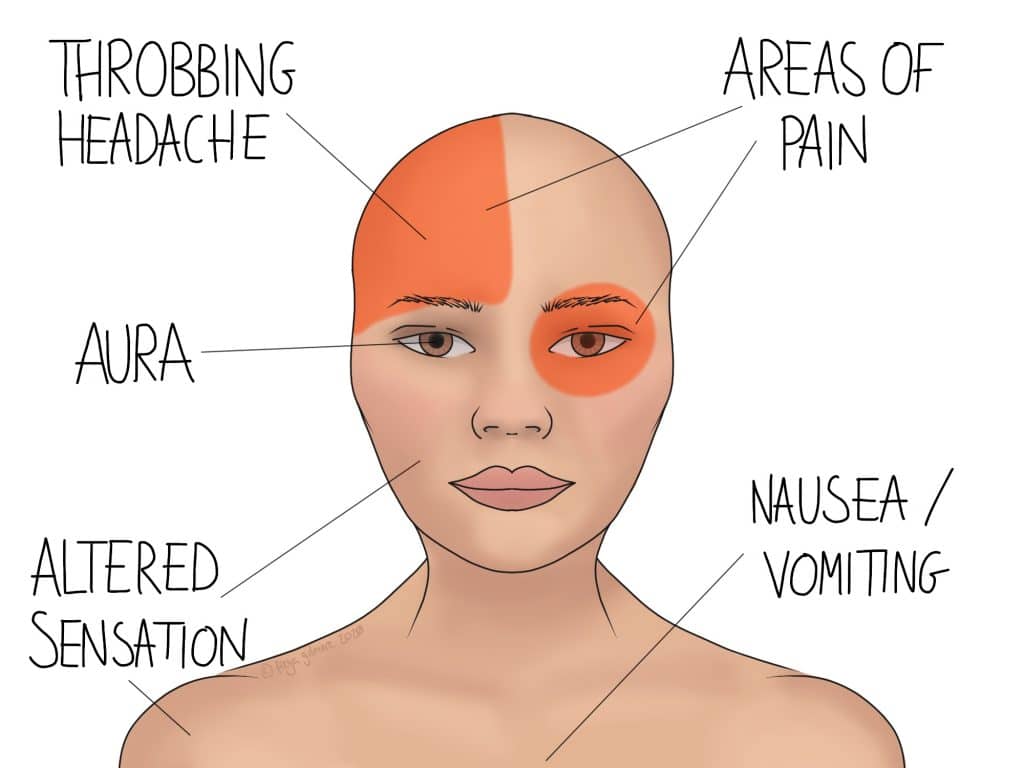
Migraines are a complex neurological condition that affects millions of people worldwide. While their exact cause remains elusive, one of the most common triggers identified is stress. The relationship between stress and migraines is well-documented, with stress often acting both as a trigger and a consequence of migraine episodes. Therefore, effective migraine stress management is crucial for those seeking to minimize the frequency and severity of their attacks.
Understanding the Link Between Stress and Migraines
Stress activates a series of physiological responses in the body, including the release of certain hormones like cortisol and adrenaline. These hormonal changes can lead to muscle tension, changes in blood pressure, and alterations in brain chemistry — all of which may contribute to triggering a migraine. Furthermore, chronic stress can lead to heightened sensitivity to migraine triggers, making attacks more frequent and severe over time.
For migraine sufferers, this creates a vicious cycle. The pain and disruption caused by migraines can increase stress levels, which in turn can lead to more migraines. Breaking this cycle requires targeted stress management techniques designed specifically for individuals prone to migraines.
Stress Management Techniques for Migraine Sufferers
1. Relaxation Techniques
Practicing relaxation techniques can help calm the nervous system and reduce the likelihood of migraine attacks. Some of the most effective relaxation strategies include:
-
Deep Breathing Exercises: Focusing on slow, deep breaths can help lower heart rate and reduce tension.
-
Progressive Muscle Relaxation: Systematically tensing and relaxing different muscle groups helps release physical tension associated with stress.
-
Meditation and Mindfulness: Regular mindfulness practice can train the brain to respond differently to stressors, reducing their impact.
2. Cognitive Behavioral Therapy (CBT)
CBT is a type of psychological therapy that helps individuals change negative thought patterns and behaviors that contribute to stress. Studies have shown that CBT can be highly effective for migraine sufferers, not only by managing stress but also by helping individuals develop healthier coping mechanisms.
3. Time Management and Prioritization
Poor time management can lead to overwhelming workloads and chronic stress. Learning to prioritize tasks, delegate responsibilities, and set realistic goals can significantly reduce daily stress levels. Using planners, to-do lists, and setting aside time for rest can be especially beneficial.
4. Regular Physical Activity
Engaging in regular, moderate physical exercise can serve as a natural stress reliever. Activities such as walking, swimming, or yoga not only help release endorphins (the body’s natural mood elevators) but also improve overall physical health. However, migraine sufferers should be cautious and avoid overly strenuous activities, which may sometimes trigger migraines.
5. Establishing a Consistent Routine
Inconsistent sleep patterns, irregular meals, and fluctuating schedules can all contribute to stress and migraines. Establishing a consistent daily routine that includes regular sleep, balanced meals, and scheduled relaxation time can provide a stabilizing effect that helps manage both stress and migraines.
6. Identifying and Avoiding Triggers
Keeping a migraine diary can help identify specific stressors or situations that precede migraine attacks. Once these triggers are recognized, proactive steps can be taken to avoid or better manage them. For example, if certain work deadlines are a major source of stress, planning and early preparation may help mitigate their impact.
The Role of Professional Support
Sometimes, managing migraine-related stress may require professional assistance. Healthcare providers can offer medications, therapies, and guidance tailored to individual needs. In some cases, working with a psychologist, counselor, or migraine specialist can provide more personalized stress management strategies.
Additionally, support groups for migraine sufferers can offer emotional support, practical tips, and a sense of community. Sharing experiences with others who understand the challenges of living with migraines can be incredibly therapeutic.
Conclusion
Effective migraine stress management is a crucial part of reducing the frequency and severity of migraine attacks. By incorporating relaxation techniques, cognitive therapies, physical activity, consistent routines, and professional support, individuals can break the stress-migraine cycle. While migraines may not always be completely preventable, managing stress effectively offers a powerful tool for improving quality of life and minimizing the debilitating effects of migraines.