Multifactor Authentication in 2025: Trends and Predictions for the Year Ahead

As the cybersecurity landscape evolves, Multifactor Authentication (MFA) remains a cornerstone of robust security frameworks. In 2025, the ongoing technological revolution, combined with the rise in sophisticated cyber threats, will drive the adoption of more advanced, adaptive, and user-friendly authentication solutions. This article explores the emerging trends, predictions, and pivotal developments shaping the future of MFA in the coming year.
1. The Dominance of Passwordless Authentication
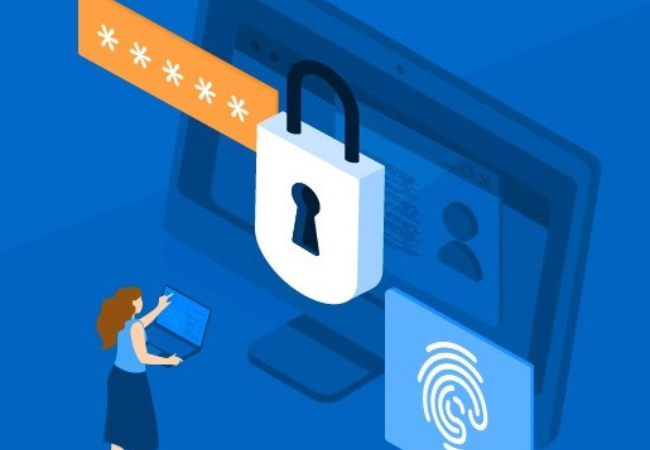
The traditional password is rapidly becoming obsolete due to its vulnerabilities to phishing and brute force attacks. In 2025, passwordless authentication methods are expected to become mainstream. These methods use biometrics (e.g., facial recognition, fingerprints) or hardware tokens compliant with FIDO2 standards to offer enhanced security and user convenience.
>>Why it matters: Passwordless solutions eliminate the risks associated with compromised credentials while providing seamless access to applications. This shift aligns with user demand for convenience without sacrificing security.
>>Example: Tech giants like Microsoft and Apple already support passwordless login options, paving the way for widespread adoption across industries.
2. AI-Driven Adaptive Authentication
Artificial Intelligence (AI) will be at the forefront of adaptive authentication systems, which tailor the verification process based on user behavior and contextual factors. By analyzing variables such as location, device type, and usage patterns, these systems provide dynamic security without unnecessary friction.
>>Benefits: AI-driven MFA enhances protection by identifying anomalies indicative of potential attacks, such as unusual login locations.
>>Use case: A low-risk login attempt from a familiar device might require a single factor, while a high-risk attempt prompts additional verifications.
3. Blockchain and Decentralized Identity
Decentralized identity systems, powered by blockchain technology, are emerging as a game-changer. These systems grant users ownership of their digital identities, reducing dependence on centralized databases that are vulnerable to breaches.
>>Key features: Distributed ledgers store identity credentials, enabling individuals to share only necessary data securely.
>>Applications in 2025: Decentralized identity solutions will find applications in industries like finance and healthcare, where data security and privacy are paramount.
4. Securing the Internet of Things (IoT)
The proliferation of IoT devices, predicted to reach over 44 billion globally by 2030, necessitates robust authentication measures. IoT ecosystems are particularly susceptible to cyberattacks due to their interconnected nature.
>>Role of MFA: Multi-layered authentication for IoT will help secure devices against unauthorized access, ensuring data integrity and privacy.
>>Trend: Vendors are integrating MFA into IoT frameworks, supporting diverse environments and protocols.
5. Zero Trust and Continuous Authentication
The adoption of Zero Trust frameworks will gain momentum in 2025. Unlike traditional security models, Zero Trust operates under the principle of “never trust, always verify.” Continuous authentication ensures that access is consistently validated throughout a session.
>>Implementation: Combining MFA with Zero Trust principles ensures that even authenticated users are continuously monitored for anomalies, reducing the risk of insider threats.
>>Impact: Industries such as government and defense will prioritize this approach to fortify critical infrastructures.
6. Increased Focus on Regulatory Compliance
Stricter global data protection regulations, such as GDPR and HIPAA, will push organizations to adopt advanced authentication measures. In 2025, compliance requirements will drive innovation in MFA systems, particularly in highly regulated sectors like finance and healthcare.
>>Example: Financial institutions may implement MFA for securing remote banking operations and complying with evolving guidelines, like those issued by the Reserve Bank of India (RBI).
>>Opportunity: Vendors offering compliance-ready MFA solutions will see increased demand.
7. Cloud-First MFA Solutions
As businesses continue migrating to the cloud, the demand for cloud-native MFA solutions will soar. These systems are designed to provide scalable and flexible authentication across hybrid and remote work environments.
>>Advantages: Cloud MFA eliminates the need for extensive on-premise infrastructure, reducing costs while improving scalability.
>>Adoption: Enterprises with remote or hybrid workforces will prioritize solutions that support diverse cloud applications.
8. Biometric Innovations
In 2025, biometric authentication will continue to expand its presence. Innovations in facial recognition, iris scanning, and voice authentication will make MFA more seamless and difficult to bypass.
>>Key driver: Biometrics enhance security by relying on unique physical traits, making it nearly impossible for attackers to replicate.
>>Future outlook: Retail, banking, and healthcare sectors are expected to invest heavily in biometrics to improve user experience and security simultaneously.
9. MFA for Small and Medium Businesses (SMBs)
Previously considered a luxury for large enterprises, MFA adoption among small and medium businesses (SMBs) will increase. This shift is fueled by:
>>Cost-effective solutions: The rise of affordable, easy-to-deploy MFA platforms tailored for SMBs.
>>Growing threats: SMBs face rising cyberattacks, highlighting the need for stronger security measures.
>>Market impact: Vendors catering to this segment will see significant growth opportunities.
10. Enhanced User Experience through SSO and MFA
The integration of Single Sign-On (SSO) with MFA will address the challenge of balancing security with usability.
>>Why it works: SSO simplifies access by allowing users to log in once to access multiple applications, while MFA adds an additional security layer.
>>Applications: This combination is especially valuable in enterprise environments, reducing password fatigue and improving productivity.
Predictions for 2025
The global MFA market is projected to grow significantly, driven by the convergence of advanced technologies and heightened cybersecurity awareness. Key predictions include:
>>Increased investment: Businesses will allocate more resources to adopt MFA solutions tailored to their specific needs.
>>Cross-industry adoption: Sectors such as education, retail, and logistics will embrace MFA to secure sensitive data and transactions.
>>Focus on user-centric design: Vendors will prioritize usability, ensuring solutions cater to diverse user bases, including those with limited technical expertise.

Conclusion
In an era of escalating cyber threats, Multifactor Authentication stands as a critical line of defense. The trends anticipated in 2025—from AI-driven systems to decentralized identities and Zero Trust frameworks—reflect a broader shift toward smarter, more user-friendly authentication methods. Businesses adopting these innovations will not only strengthen their security postures but also enhance user trust and regulatory compliance.
For organizations looking to stay ahead, CyLock MFA offers a comprehensive suite of solutions designed to address the challenges of the modern cybersecurity landscape. From passwordless options to adaptive authentication, CyLock MFA empowers businesses to secure their digital ecosystems with confidence.