Recovery and Aftercare Tips for Fixed Teeth in 3 Days
Fixed teeth in 3 days, also called rapid or immediate loading dental implants, have revolutionized tooth replacement by offering patients functional teeth shortly after implant placement. This accelerated procedure allows individuals to enjoy restored oral function and aesthetics quickly, but proper recovery and aftercare are crucial to ensure the success of the implants and promote healing. Here’s what you need to know about recovering from fixed teeth in 3 days and maintaining oral health post-surgery.
Understanding Fixed Teeth in 3 Days
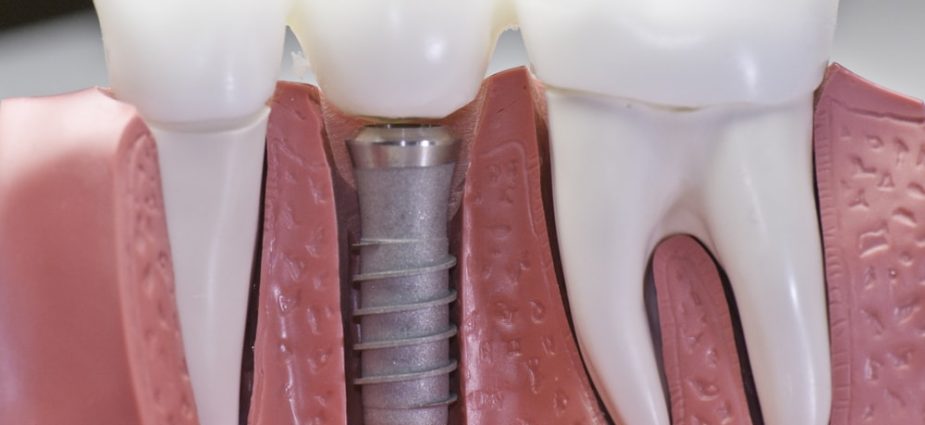
Fixed teeth in three days involve the placement of dental implants and the attachment of prosthetic teeth within a short timeframe, typically three days or less. Unlike traditional implants, which require a healing period of several months before attaching the final restorations, immediate-loading implants allow for immediate or early loading of the prosthetic teeth. This technique utilizes advanced implant designs and strong anchorage in the bone to support immediate functionality and aesthetics.
Recovery Phase: What to Expect
1. Immediate Post-Surgery
After the teeth are fixed in 3 days, you can expect some initial discomfort and swelling around the surgical site. Your dentist will provide instructions and medications to manage pain and reduce swelling. It’s normal to experience mild bleeding in the first few hours, which can be controlled by gently biting on gauze pads provided by your dental team.
2. First Few Days
- Rest and Recovery: Plan to rest for the first 24-48 hours following surgery. Avoid strenuous activities and get plenty of rest to promote healing.
- Pain Management: Take prescribed pain medications as your dentist directs to manage discomfort. Over-the-counter pain relievers like ibuprofen can also help reduce swelling.
- Ice Packs: To reduce swelling and discomfort, apply ice packs or cold compresses to the outside of your face near the surgical area.
3. Oral Hygiene
- Gentle Brushing: To maintain oral hygiene, begin gentle brushing of your teeth the day after surgery, focusing on areas away from the surgical site.
- Rinsing: To keep the surgical area clean, use a prescribed mouth rinse or a saltwater solution to rinse your mouth gently after meals.
- Avoid Irritation: To prevent irritation and promote healing, do not touch or disturb the surgical site with your tongue or fingers.
4. Diet and Nutrition
- Soft Diet: Stick to a soft diet consisting of foods like yogurt, mashed potatoes, smoothies, and soups for the first few days. Avoid hard, crunchy, or spicy foods that could irritate the surgical site.
- Hydration: Drink plenty of water to stay hydrated and promote healing. Avoid drinking through a straw, which can dislodge blood clots and hinder healing.
Long-Term Aftercare Tips
1. Follow-Up Appointments
- Scheduled Visits: Attend all follow-up appointments as scheduled by your dentist. These visits are crucial for monitoring healing progress and ensuring the implants integrate well with your jawbone.
- Adjustments: Your dentist may adjust the prosthetic teeth or provide additional care instructions during follow-up appointments.
2. Oral Hygiene Practices
- Regular Brushing: Brush your teeth at least twice daily with a soft-bristled toothbrush. Pay special attention to cleaning around the prosthetic teeth and along the gumline.
- Flossing: If recommended by your dentist, use floss or interdental brushes to clean between the prosthetic teeth and adjacent natural teeth.
- Professional Cleanings: Schedule regular dental cleanings with your dentist or dental hygienist to maintain oral hygiene and monitor the health of your implants.
3. Lifestyle Adjustments
- Smoking Cessation: If you smoke, consider quitting or reducing smoking to improve healing and reduce the risk of complications such as implant failure.
- Alcohol Consumption: Limit alcohol consumption, as excessive drinking can interfere with healing and overall oral health.
- Healthy Habits: Adopt a healthy lifestyle that includes balanced nutrition, regular exercise, and stress management to support overall well-being, including oral health.
4. Monitoring Oral Health
- Symptom Awareness: Be aware of any signs of complications, such as persistent pain, swelling, or unusual discharge from the surgical site. Contact your dentist immediately if you experience these symptoms.
- Dental Examination: Schedule regular dental examinations to monitor the health of your implants and address any concerns promptly.
Read More: The Psychology Behind a Perfect Smile: Insights from DSD
Conclusion
Recovery and aftercare for fixed teeth in 3 days involve a combination of proper oral hygiene, dietary adjustments, and regular dental visits to ensure the long-term success of your dental implants. Following these guidelines and staying in close communication with your dental team can promote healing, maintain oral health, and enjoy the benefits of a restored smile and improved dental function. Consultation with a qualified implant dentist is essential to customize your aftercare plan and address any specific concerns about recovering from fixed teeth in 3 days.
If you live in Goregaon, you should consider Vistaa Dental Care Centre. They provide Dental Implant Cost Goregaon. Call us to Book an Appointment: +91-9920039594.