Dental sensitivity is one of the most common concerns people experience after undergoing root canal therapy. For patients seeking high-quality care, opting for root canal treatment in Dubai means access to modern dental technologies and experienced professionals who ensure both comfort and successful results. Still, many wonder why sensitivity occurs and what it means for their oral health. Understanding this aspect of recovery can make the journey smoother and less stressful.
Why Sensitivity Happens After Root Canal Treatment:
A root canal removes the infected pulp from inside a tooth, but the surrounding tissues and nerves can remain inflamed temporarily. This inflammation often causes sensitivity to pressure, hot, or cold foods. While the tooth itself is no longer alive after treatment, nearby nerves in the gums and jaw may react during the healing process, leading to temporary discomfort.
How Long Sensitivity Usually Lasts:
Most patients notice that sensitivity gradually reduces within a few days to a couple of weeks. In some cases, it may last slightly longer depending on the severity of the infection or complexity of the treatment. Mild discomfort that improves over time is normal, but prolonged or worsening pain may require a follow-up visit with the dentist to rule out complications.
Common Triggers of Post-Treatment Sensitivity:
Certain factors can make sensitivity more noticeable after a root canal. Understanding these triggers helps patients manage their recovery more effectively. Key triggers include:
-
Chewing hard or crunchy foods on the treated tooth
-
Consuming hot or cold beverages
-
Biting with uneven pressure due to temporary fillings
-
Existing gum inflammation or secondary issues
The Role of Dental Restorations:
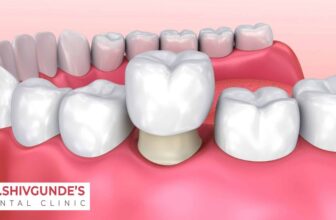
After root canal therapy, the treated tooth usually requires a permanent restoration such as a crown. Without this, the tooth may feel weaker and more prone to sensitivity. Crowns not only protect the tooth but also distribute biting forces evenly, minimizing pressure-related discomfort. In Dubai, dental clinics often use advanced materials for crowns, such as zirconia or ceramic, to ensure strength and aesthetics.
Managing Sensitivity at Home:
There are simple steps patients can follow to reduce discomfort during recovery. These practices support healing and make the transition smoother. Recommendations include:
-
Using a soft-bristled toothbrush to avoid irritation
-
Rinsing with warm saltwater to reduce inflammation
-
Choosing a toothpaste designed for sensitivity
-
Avoiding very hot, cold, or sticky foods for a few days
-
Taking prescribed medications as directed by the dentist
When Sensitivity Could Signal a Problem:
While most cases of sensitivity are normal, certain situations may indicate complications. Patients should seek prompt dental advice if they notice:
-
Intense pain that worsens instead of improving
-
Swelling of the gums or face near the treated tooth
-
Persistent sensitivity beyond a few weeks
-
Difficulty chewing even soft foods due to severe discomfort
The Psychological Aspect of Sensitivity:
Experiencing sensitivity after a root canal can sometimes cause anxiety, especially for those who expect instant relief. Understanding that mild sensitivity is part of the healing process can ease concerns. Dentists in Dubai often emphasize patient education, reassuring individuals that temporary discomfort is a sign of the body’s natural recovery rather than treatment failure.
The Importance of Professional Follow-Up:
Regular follow-up visits after root canal therapy allow dentists to monitor healing and ensure that the tooth is properly restored. In many cases, lingering sensitivity resolves after placing the final crown or restoration. These appointments are essential for long-term success and help identify any issues early.
Advanced Technology Reducing Sensitivity Risks:
Modern techniques significantly reduce post-treatment sensitivity. Digital imaging, rotary instruments, and biocompatible sealing materials enhance precision and minimize irritation. Many clinics offering root canal treatment in Dubai rely on these innovations, which help patients experience faster recovery and less discomfort.
Sensitivity vs. Pain: Knowing the Difference:
It is important for patients to distinguish between sensitivity and true pain. Sensitivity usually feels like mild, temporary discomfort triggered by temperature or pressure, while pain may be constant, sharp, or throbbing. Recognizing the difference helps patients determine whether their experience is normal or requires further evaluation.
Long-Term Outlook After Root Canal Treatment:
Once sensitivity subsides and the tooth is restored with a crown, most patients enjoy years of normal function without discomfort. Proper oral hygiene, regular check-ups, and avoiding habits like grinding teeth or chewing hard objects ensure that the treated tooth remains healthy and durable.
Final Thoughts:
Sensitivity after root canal treatment is a common but temporary part of the healing journey. By knowing what to expect, patients can approach recovery with confidence and peace of mind. With access to advanced care, root canal treatment in Dubai not only saves natural teeth but also ensures comfort through modern techniques and expert follow-up. While mild sensitivity is normal, lasting relief and restored function are the ultimate outcomes, allowing patients to enjoy healthier smiles for years to come.