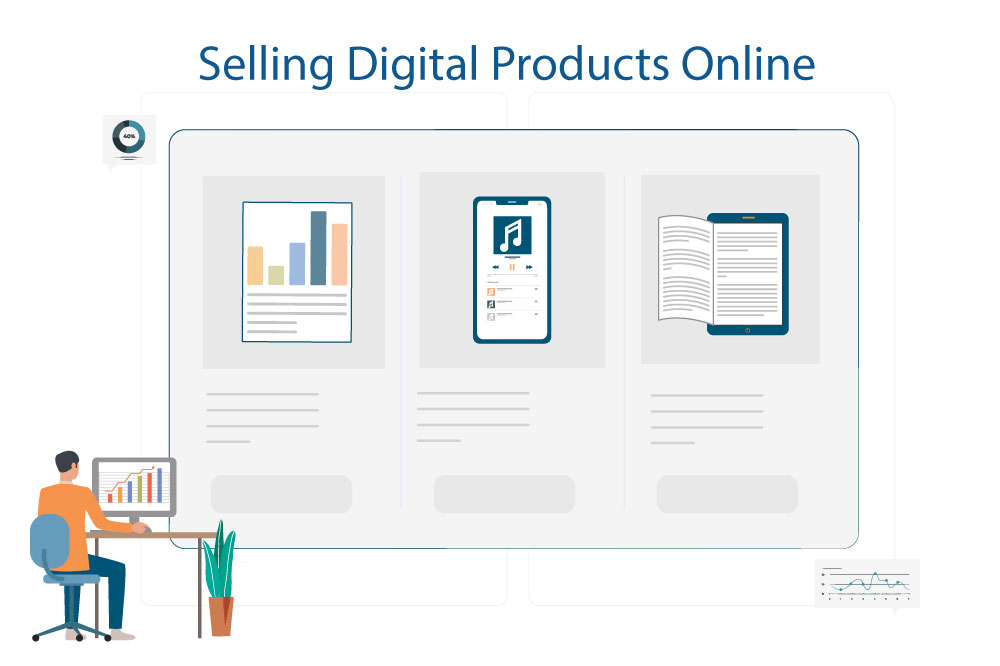
Selling digital products online has become a thriving and profitable venture in today’s digital-first world. With eCommerce platforms simplifying how products are delivered and consumed, entrepreneurs and businesses can now reach a global audience with minimal overhead costs. However, as competition continues to rise, having a clear, strategic approach is essential for streamlining operations and maximizing growth.
Why Sell Digital Products?
- No inventory or shipping hassles.
- Global accessibility and instant delivery.
- Higher profit margins.
- Environmentally friendly and scalable.
- Great for long-term passive income.
Common examples include eBooks, courses, templates, stock photos, software, and even virtual events. With creativity and the right tools, anyone can tap into this growing market.
Steps to Selling Digital Products Online
1. Discover the Right Digital Product
Begin by identifying a need in your target audience’s life. What problem can you solve? Use customer feedback, competitor analysis, and trend research to guide your product development. For example, if you’re an expert in photography, consider creating a course or selling presets. Validate your idea with a small audience before scaling.
2. Identify Your Niche and Do Market Research
Focusing on a niche allows you to tailor your product and messaging. Once your niche is clear, conduct research to better understand your ideal customer—what they value, how they shop, and what solutions they seek. This insight will help you shape both your product and your marketing strategy.
3. Develop High-Quality, Engaging Content
Your content should reflect your brand’s voice and clearly communicate the product’s value. Use visuals, videos, and storytelling techniques to make it engaging. Make sure your content answers potential questions and explains how your product can solve a problem or improve the buyer’s life.
4. Understand Ownership vs. Licensing
Clarify whether you’re offering full ownership or usage rights under a license. Licensing allows customers to use the product under certain conditions while you retain ownership. This is especially useful for templates, stock graphics, and software.
5. Determine Pricing and Value
Setting the right price involves balancing affordability with value. Consider production costs, market rates, perceived value, and your target audience’s willingness to pay. A strong value proposition can support premium pricing.
6. Choose the Right Ecommerce Platform
Select a platform that supports digital downloads, secure payments, and automated delivery. Look for mobile optimization, analytics, easy customization, and a smooth checkout process. Your store should reflect professionalism and trust to convert visitors into customers.
7. Maximize Product Visibility
Your marketing efforts will determine how far your product goes. Use content marketing, email newsletters, SEO, social media ads, influencer partnerships, and customer testimonials. Personalization and automation can also improve customer engagement and conversions.
Conclusion
Selling digital products online is more than just listing an item—it’s about creating a seamless experience that solves real problems. With a clear niche, engaging content, the right pricing, and a strong online presence, you can build a successful digital product business. By following these steps and continuously refining your strategy, you’ll be well-positioned to thrive in the digital economy.