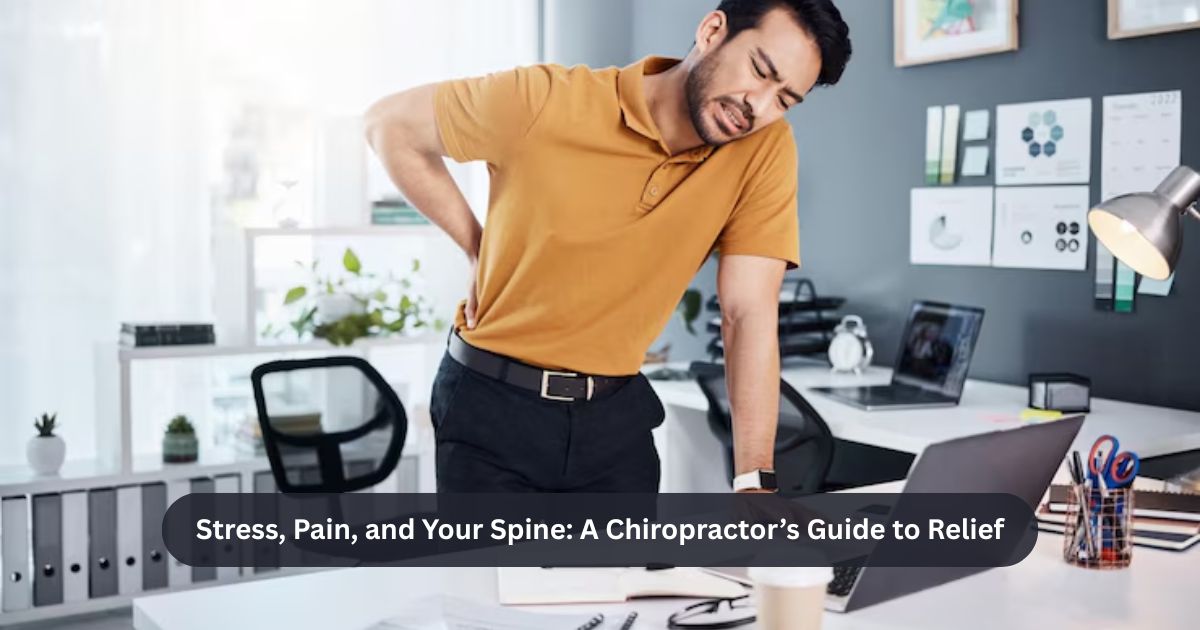
Stress is a common experience, and it can show up in more ways than just feeling overwhelmed. Many people find that ongoing stress leads to physical pain, especially in the neck, back, and shoulders. Your spine is often at the center of this connection. Understanding how stress impacts your body can be the first step toward finding relief.
How Stress Affects Your Body and Spine
When you experience stress, your body reacts. It releases hormones like cortisol and adrenaline, preparing you for a “fight or flight” response. This reaction causes several physical changes:
- Muscle Tension: Muscles, particularly in your neck, shoulders, and back, tighten up. This is your body’s way of guarding against injury. Over time, this constant tension can lead to soreness, stiffness, and pain.
- Inflammation: Chronic stress can contribute to increased inflammation throughout your body. Inflammation can worsen existing pain conditions and make you more sensitive to discomfort.
- Postural Changes: Stress can unconsciously affect your posture. You might find yourself hunching your shoulders or tensing your jaw. Poor posture puts extra strain on your spine and supporting muscles.
- Breathing Patterns: Stress often leads to shallow, rapid breathing using the chest and neck muscles instead of the diaphragm. This can strain neck muscles and reduce oxygen flow.
These physical responses can directly impact your spinal health. Tight muscles can pull your vertebrae out of their proper alignment, leading to what chiropractors call subluxations. These misalignments can irritate nerves, restrict movement, and cause pain. Stress can also aggravate existing spinal conditions like herniated discs or arthritis. Many people experience tension headaches originating from neck muscle tightness.
Recognizing Stress-Related Pain
Pain from stress can sometimes be tricky to identify because it might feel like pain from an injury or other physical cause. Here are some common signs that stress could be contributing to your discomfort:
- Persistent Neck and Shoulder Ache: A common area for stress to settle, often described as a dull ache or tightness.
- Lower Back Pain: Chronic muscle tension can strain the lower back.
- Tension Headaches: These often feel like a tight band around your head, or pain at the base of your skull.
- Jaw Pain or Clenching (TMJ issues): Stress can cause you to clench your jaw, even while sleeping.
- Increased Fatigue: Dealing with chronic pain and stress is exhausting.
- Difficulty Sleeping: Pain and a racing mind can make it hard to get restful sleep.
If you experience these symptoms, especially when you’re feeling particularly stressed, it’s worth considering the connection. A consultation with a healthcare professional, like a chiropractor in Shorewood, can help determine the root cause of your pain.
How a Chiropractor Can Help with Stress-Induced Pain
Chiropractic care focuses on the relationship between your spine and your nervous system. It offers natural, non-invasive ways to address stress-related pain.
- Spinal Adjustments: A primary chiropractic treatment involves spinal adjustments. A chiropractor uses precise, gentle force to restore proper alignment and movement to joints in the spine. This can reduce nerve irritation, decrease muscle tension, improve range of motion, and alleviate pain. When your spine is properly aligned, your body can function more efficiently.
- Soft Tissue Therapy: Many chiropractors also use techniques to address tight muscles. This might include specific massage techniques, myofascial release, or trigger point therapy to relieve muscle spasms and improve circulation.
- Postural Correction Advice: Your chiropractor can identify postural issues contributing to your pain. They can provide guidance and exercises to help you improve your posture, counteracting the effects of stress-induced hunching or slouching.
- Lifestyle and Ergonomic Recommendations: A Shorewood chiropractor can offer practical advice on managing stress and its physical effects. This might include tips on setting up an ergonomic workspace, simple stretches to do throughout the day, or suggestions for stress-reducing activities.
- Nervous System Regulation: Chiropractic adjustments can have a calming effect on the nervous system. By reducing physical stress on the spine and nerves, chiropractic care can help shift your body from a “fight or flight” state to a “rest and digest” state, promoting relaxation and healing.
What to Expect at Your Shorewood Chiropractic Visit
If you decide to visit a chiropractor in Shorewood, WI, here’s a general idea of what your first few visits might involve:
- Detailed Consultation: Your chiropractor will want to understand your symptoms, when they started, what makes them better or worse, and your overall health history. They will also ask about your stress levels and lifestyle.
- Thorough Examination: This typically includes a physical examination of your spine and posture. Your chiropractor may perform orthopedic and neurological tests to assess your range of motion, muscle strength, reflexes, and nerve function. Sometimes, X-rays might be recommended to get a clearer picture of your spinal alignment.
- Personalized Treatment Plan: Based on your consultation and examination findings, your chiropractor will explain your condition and propose a treatment plan. This plan will outline the types of treatments recommended, the frequency of visits, and the expected goals. Your questions are always welcome.
For those in the 53211 area looking for solutions, our Shorewood chiropractic clinic focuses on finding and addressing the underlying cause of your pain, not just masking symptoms.
Self-Care Strategies to Complement Chiropractic Care
While chiropractic care can be very effective, incorporating self-care strategies can enhance your progress and help you manage stress in the long term.
- Mindfulness and Relaxation: Practices like deep breathing exercises, meditation, or yoga can help calm your nervous system and reduce muscle tension. Even a few minutes a day can make a difference.
- Regular Physical Activity: Exercise releases endorphins, which are natural mood boosters and pain relievers. Activities like walking, swimming, or cycling can also help reduce muscle stiffness.
- Prioritize Sleep: Aim for 7-9 hours of quality sleep per night. Good sleep is essential for your body to repair and recover. Create a relaxing bedtime routine.
- Ergonomic Awareness: Pay attention to your posture whether you’re sitting at a desk, driving, or using your phone. Make adjustments to your workspace to support good posture.
- Simple Stretches: Incorporate gentle stretches for your neck, shoulders, and back throughout your day, especially if you sit for long periods. Your chiro Shorewood professional can show you specific stretches that are right for you.
When to See a Chiropractor for Stress and Pain
Consider scheduling an appointment with a chiropractor if:
- You experience persistent neck, back, or shoulder pain that you suspect is linked to stress.
- Over-the-counter pain medication provides little or no relief.
- You notice your posture worsening.
- Tension headaches are becoming more frequent or severe.
- You want a natural approach to managing your pain and improving your overall well-being.
Stress doesn’t have to result in chronic pain. By understanding the connection between stress, your spine, and your nervous system, you can take proactive steps towards relief. Chiropractic care offers a valuable approach to addressing the physical manifestations of stress.
If you’re looking for a chiropractor Shorewood residents trust to help with stress-related pain, Chiropractic Company is here for you. Contact us today to schedule a consultation and learn how we can help you find relief and improve your quality of life.