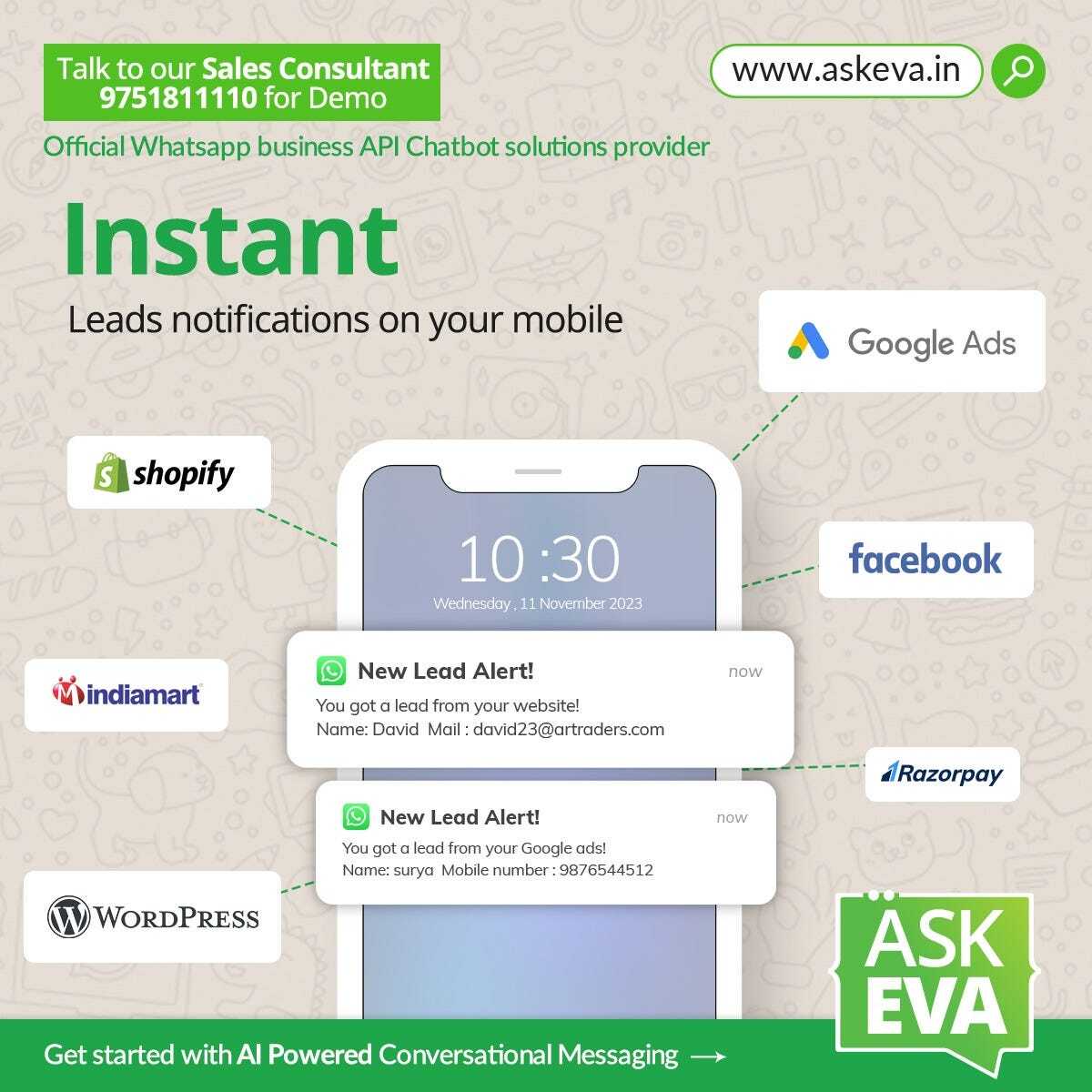
In today’s fast-paced digital landscape, businesses must evolve to meet ever-changing customer expectations. Communication channels have become integral to the success of any organization, with WhatsApp emerging as one of the most powerful platforms. Boasting over 2 billion active users worldwide, WhatsApp offers businesses an opportunity to engage with their audience seamlessly. At the core of this engagement lies the WhatsApp API chatbot—a tool that has revolutionized how businesses operate, engage, and grow.
WhatsApp API Chatbots: A Brief Overview
A WhatsApp API chatbot is an AI-powered tool that interacts with customers on WhatsApp. Unlike regular WhatsApp Business accounts, the API offers advanced features such as automation, integration with CRM systems, and multi-user access. These capabilities make the WhatsApp API chatbot a game-changer for businesses seeking efficient, personalized, and scalable communication solutions.
Why WhatsApp API Chatbots Matter
1. Enhanced Customer Engagement
The modern customer values immediacy. WhatsApp API chatbots provide instant responses to queries, ensuring that customers feel heard and valued. This level of responsiveness not only builds trust but also enhances the overall customer experience.
2. Cost-Efficiency
Hiring customer support staff can be costly, especially for businesses operating across multiple time zones. WhatsApp API chatbots can handle thousands of queries simultaneously, significantly reducing the need for extensive human resources while maintaining high service standards.
3. 24/7 Availability
With WhatsApp API chatbots, businesses can provide round-the-clock support. This ensures customers receive assistance at any time, boosting satisfaction and increasing the likelihood of repeat business.
4. Personalization at Scale
The WhatsApp API enables chatbots to offer personalized interactions by integrating with CRM systems. From greeting customers by name to recommending products based on purchase history, these bots deliver tailored experiences that drive customer loyalty.
5. Seamless Integration
WhatsApp API chatbots can integrate with various tools, including e-commerce platforms, payment gateways, and analytics systems. This creates a streamlined workflow, allowing businesses to manage everything from customer queries to order fulfillment in one place.
Applications Across Industries
E-commerce
E-commerce businesses leverage WhatsApp API chatbots for tasks such as order tracking, product recommendations, and abandoned cart recovery. The immediate nature of WhatsApp communication encourages customers to complete purchases.
Healthcare
In healthcare, WhatsApp API chatbots assist with appointment scheduling, patient reminders, and even teleconsultation setups. This not only reduces administrative burden but also ensures timely care for patients.
Real Estate
Real estate companies use WhatsApp API chatbots to share property listings, schedule site visits, and answer common questions. The personalized nature of these interactions helps potential buyers feel more informed and confident.
Financial Services
Banks and fintech companies employ WhatsApp API chatbots for balance inquiries, fraud alerts, and loan applications. The security features of WhatsApp, combined with the efficiency of chatbots, make this an ideal solution for financial communication.
Driving Business Transformation
WhatsApp API chatbots are more than just a customer service tool; they are a catalyst for broader business transformation. By automating routine tasks, they free up human resources to focus on strategic initiatives. The data collected through chatbot interactions provides valuable insights into customer behavior, enabling businesses to make data-driven decisions. Moreover, the scalability of these bots allows businesses to expand their operations without compromising service quality.
Challenges and Solutions
Integration Complexities
While the benefits of WhatsApp API chatbots are numerous, integrating them with existing systems can be challenging. Businesses must work with experienced developers to ensure a seamless setup.
Maintaining a Human Touch
Automated interactions can sometimes feel impersonal. To counter this, businesses should design chatbots with a conversational tone and include options for customers to connect with a human agent when needed.
Compliance and Privacy
Handling customer data comes with responsibilities. Businesses must adhere to data protection regulations and ensure that their chatbots are secure and transparent in their operations.
The Future of WhatsApp API Chatbots
As AI continues to evolve, WhatsApp API chatbots will become even more sophisticated. Features like natural language processing and sentiment analysis will enable deeper and more meaningful interactions. Businesses that adopt this technology early will not only stay competitive but also set new standards for customer engagement.
In conclusion, WhatsApp API chatbots represent a pivotal shift in how businesses communicate and operate. They offer a unique blend of efficiency, personalization, and scalability that is essential for modern business transformation. By embracing this technology, businesses can unlock new opportunities and deliver unparalleled customer experiences.
Frequently Asked Questions (FAQ)
1. What is a WhatsApp API chatbot?
A WhatsApp API chatbot is an AI-powered tool that automates customer interactions on WhatsApp. Unlike regular WhatsApp accounts, it offers advanced features like integration with business tools, multi-user access, and automated workflows.
2. How can WhatsApp API chatbots improve customer service?
These chatbots provide instant responses, 24/7 availability, and personalized interactions. This ensures customers receive timely and relevant assistance, enhancing their overall experience.
3. Are WhatsApp API chatbots secure?
Yes, WhatsApp API chatbots adhere to WhatsApp’s end-to-end encryption standards. However, businesses must also implement additional security measures to protect customer data.
4. Can small businesses benefit from WhatsApp API chatbots?
Absolutely. Small businesses can use these chatbots to handle customer queries, promote products, and streamline operations, all without the need for extensive resources.
5. What are the setup requirements for a WhatsApp API chatbot?
Businesses need a verified WhatsApp Business API account and integration with a chatbot platform. Collaboration with developers or chatbot providers is often required for setup.
6. How much does it cost to implement a WhatsApp API chatbot?
Costs vary depending on the chatbot’s complexity, features, and integration requirements. Many providers offer scalable solutions to fit different budgets.
7. Can a WhatsApp API chatbot handle multiple languages?
Yes, most chatbots support multilingual capabilities, allowing businesses to serve a diverse customer base effectively.
8. What industries benefit the most from WhatsApp API chatbots?
Industries such as e-commerce, healthcare, real estate, and financial services benefit significantly due to the need for efficient and personalized customer communication.
9. How do chatbots balance automation with human interaction?
Chatbots can be programmed to transfer complex queries to human agents, ensuring customers receive the best possible assistance.
10. What does the future hold for WhatsApp API chatbots?
With advancements in AI, future chatbots will offer more intuitive and human-like interactions, further enhancing their role in business operations.