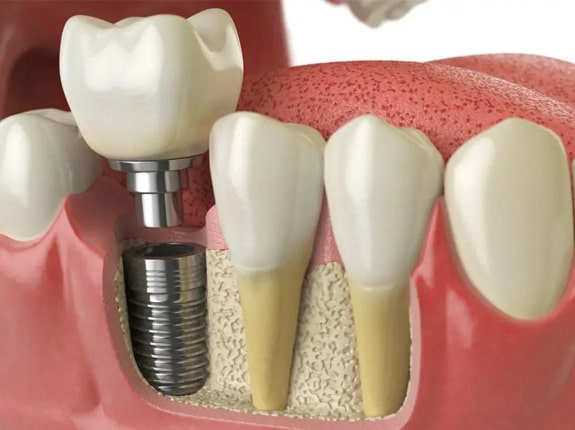
Dental implants have become a reliable solution for replacing missing teeth, offering both functional and aesthetic benefits. However, while the procedure itself is quite effective, the recovery process is crucial for ensuring successful integration and long-term health. Understanding what to expect during the recovery period can help patients feel more comfortable and confident as they undergo this dental treatment.
The Initial Phase: Immediate Aftercare:
The first 24-48 hours after receiving Dental Implants in Dubai are critical. During this period, patients can expect mild discomfort, swelling, and some bleeding around the implant site. Here are key aspects to keep in mind during the initial phase:
- Pain Management: Dentists typically prescribe painkillers to manage any discomfort. Over-the-counter medications such as ibuprofen can also be effective.
- Swelling and Bruising: Swelling can be minimized with ice packs applied to the face for 15-20 minute intervals. This helps reduce inflammation and accelerates the healing process.
- Dietary Adjustments: It’s important to consume soft foods and liquids during the first few days. Avoid chewing on the side of the implant to prevent unnecessary pressure.
- Oral Hygiene: Patients should keep their mouth clean but should avoid brushing directly on the surgical site for the first 24 hours. Gently rinsing with salt water after the initial healing period can help prevent infection.
The Healing Period: First Few Weeks:
Once the initial phase is over, the healing period can last anywhere from a few weeks to a few months, depending on the patient’s overall health and the complexity of the procedure.
- Bone Integration (Osseointegration): The most critical part of the recovery process is osseointegration, where the implant fuses with the jawbone. This can take between 3-6 months. The success of this step depends on factors such as bone density and lifestyle habits like smoking, which can impede the healing process.
- Follow-Up Appointments: Regular check-ups with your dentist are essential to monitor progress. During these appointments, the dentist may take X-rays or other diagnostic tests to ensure the implant is integrating properly.
- Activity Level: While light activities can usually be resumed within a few days, strenuous exercises should be avoided for at least 2-3 weeks to prevent stress on the implant site.
Managing Discomfort and Possible Complications:
Discomfort is a normal part of the recovery process, but some complications can occur. Here’s what to look out for and how to manage potential issues:
- Excessive Swelling or Pain: While some swelling is normal, significant or increasing pain could be a sign of an infection or other problem. Contact your dentist if these symptoms persist.
- Infection Signs: Redness, discharge, and a foul odor are all signs of infection. Early intervention is vital for preventing implant failure.
- Bleeding: Minor bleeding can be expected in the first 24-48 hours. If bleeding continues beyond that or is excessive, seek professional guidance.
- Medication Side Effects: Prescription painkillers or antibiotics can sometimes cause side effects such as nausea or dizziness. If side effects are severe, consult your dentist about possible alternatives.
Tips for a Smooth Recovery:
Patients can take several measures to support their recovery and increase the chances of implant success:
- Maintain Good Oral Hygiene: Keeping the mouth clean helps prevent infection and promotes healing. Use a soft-bristled toothbrush and non-alcoholic mouthwash to avoid irritation.
- Stay Hydrated: Drinking plenty of water helps maintain overall health and supports the body’s natural healing processes.
- Avoid Smoking and Alcohol: These habits can significantly hinder the osseointegration process and increase the risk of implant failure.
- Follow the Dentist’s Instructions: Your dentist will provide personalized care guidelines tailored to your needs. Adhering to these recommendations can make a significant difference in your recovery timeline.
The Final Stage: Long-Term Care and Maintenance:
Once the implant has successfully integrated into the jawbone and the final restoration (e.g., crown or bridge) has been placed, the long-term care phase begins. This involves:
- Routine Dental Check-Ups: Regular check-ups ensure that the implant remains healthy and functional over time. Dentists may perform professional cleanings and monitor the surrounding gum tissue.
- Good Oral Hygiene Practices: Continue to brush twice daily and floss carefully around the implant to prevent plaque buildup.
- Lifestyle Considerations: Avoid chewing on hard items, such as ice or hard candies, which can damage the implant and surrounding teeth.
Conclusion:
The recovery process for Dental Implants can be divided into phases, each crucial for long-term success. While the first few days may involve discomfort, following proper care guidelines and attending follow-up appointments can make the process smoother. With patience and attention to aftercare, dental implants can offer a lifetime of benefits, providing patients with the confidence of a healthy and functional smile.