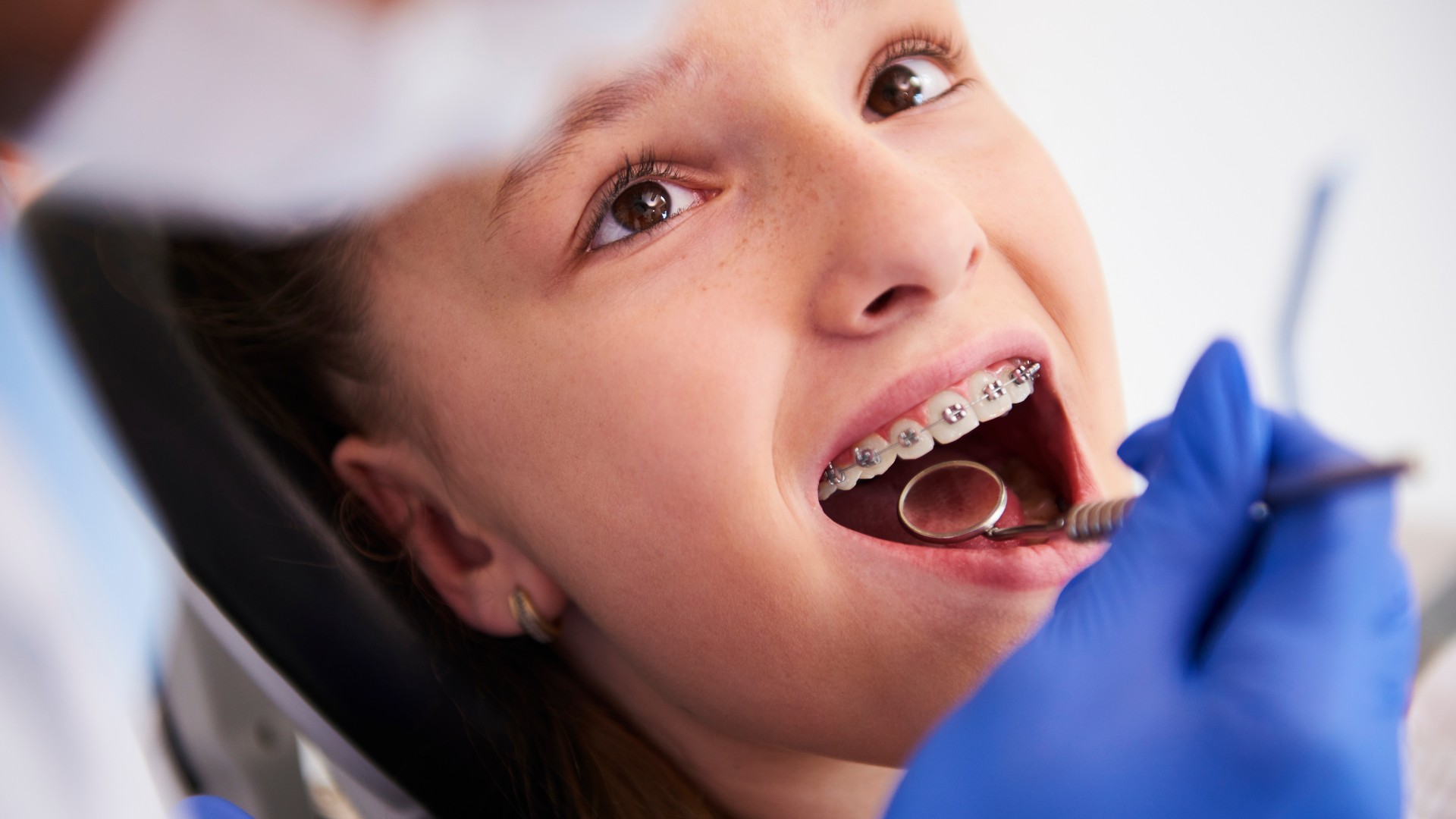
Starting your orthodontic journey can be an exciting, yet nerve-wracking experience. Whether you’re a teenager or an adult, getting braces is a big step toward achieving a healthier and more attractive smile. If you’re about to begin wearing braces for the first time, it’s important to understand what to expect during the initial phase of treatment. Here’s a guide to help you prepare for this life-changing experience.
1. The Initial Appointment and Braces Placement
The process of getting braces typically starts with a thorough consultation. During this visit, your orthodontist will take X-rays, impressions, and photographs of your teeth to create a customized treatment plan. Once your braces are ready, the actual placement procedure will begin.
What to Expect:
- The process of placing braces usually takes about 1 to 2 hours. Your orthodontist will clean your teeth thoroughly before attaching brackets to the front of each tooth using a special dental adhesive.
- After the brackets are in place, a thin wire is threaded through the brackets and secured with small rubber bands. The wire is tightened to apply gentle pressure, which will gradually move your teeth into the correct position.
- The procedure is generally pain-free, but you may experience some discomfort due to the pressure on your teeth.
2. Initial Discomfort and Adjustments
After the braces are placed, you may feel some discomfort or soreness, especially in the first few days. This is completely normal as your teeth start to shift. The sensation is usually mild to moderate, and it’s often compared to the feeling of soreness after a dental cleaning.
What to Expect:
- You may feel tightness or pressure on your teeth as the wires begin to move them. It’s common to experience soreness in your mouth, and your gums or cheeks might feel irritated due to the new braces.
- The discomfort typically subsides within 3 to 5 days. In the meantime, you can manage the pain by using over-the-counter pain relievers, such as ibuprofen, and rinsing with warm salt water to ease irritation.
- Your orthodontist may also provide orthodontic wax that can be applied to sharp or uncomfortable parts of your braces to prevent irritation to the inside of your mouth.
3. Adjusting to Eating and Drinking with Braces
At first, eating with braces may take some getting used to. Certain foods may feel difficult to chew, and you may need to adjust your diet to avoid damaging your braces.
What to Expect:
- You’ll need to avoid sticky, chewy, and hard foods, such as gum, caramel, popcorn, and hard candy, as they can damage your braces or get stuck in them.
- Opt for softer foods, such as soups, pasta, mashed potatoes, yogurt, and smoothies, which are easier on your teeth during the adjustment period.
- It’s important to cut larger pieces of food into smaller, more manageable bites to avoid putting too much pressure on your braces.
- Be sure to drink plenty of water to help keep your mouth clean and hydrated.
4. Oral Hygiene Routine with Braces
Maintaining good oral hygiene is essential when you have braces. Food particles and plaque can get trapped in the brackets and wires, making it easier for bacteria to build up and lead to tooth decay or gum disease. If you’re concerned about your child’s smile, don’t hesitate to contact Chintamani Dental Home. Our specialists provide braces treatment for kids in Karad, ensuring a comfortable experience and healthy, beautiful smiles.
What to Expect:
- You’ll need to brush your teeth after every meal to remove food debris and plaque buildup. Use a soft-bristled toothbrush or an orthodontic toothbrush designed for braces.
- Flossing may be more challenging at first, but there are special floss threaders or floss picks that can help you clean between your teeth and the braces.
- Consider using an antimicrobial mouthwash to help reduce bacteria and keep your mouth fresh.
- Your orthodontist will guide you on how to maintain your oral hygiene routine effectively.
5. Regular Adjustments and Check-Ups
After the initial placement, you’ll need to visit your orthodontist regularly for adjustments. These visits are crucial to ensure that your treatment is progressing as planned.
What to Expect:
- Typically, you’ll have an appointment every 4 to 8 weeks for adjustments. During these visits, your orthodontist will replace the rubber bands, adjust the wires, and monitor your progress.
- Some patients experience mild discomfort after these adjustments, but it usually doesn’t last long.
- Over time, your orthodontist may switch to thicker wires or different types of braces to continue moving your teeth.
6. Final Thoughts
Wearing braces for the first time can be a big change, but it’s important to stay positive and be patient. Although you may experience some discomfort in the beginning, the results will be worth it. The key to successful orthodontic treatment is consistent care, regular check-ups, and a commitment to maintaining good oral hygiene.
Remember, braces are a long-term investment in your smile, and with the right mindset and a little bit of time, you’ll soon begin to see the beautiful, confident smile you’ve always wanted.