Spotify, one of the world’s leading music streaming platforms, has transformed the way we listen to music. With its vast library of over 70 million songs, the Swedish company has become a household name across the globe. But behind the scenes of this multi-billion-dollar company, who exactly owns Spotify? The ownership of Spotify involves a mixture of major investors, its co-founders, and other stakeholders who have played a pivotal role in the platform’s growth. In this article, we’ll dive into who owns Spotify and explore its history, the key figures, and how the company has managed to build such a successful brand.
Spotify’s Launch Date and the Vision Behind It
Spotify was founded in April 2006 by Daniel Ek and Martin Lorentzon, two Swedish entrepreneurs with a vision to change the music industry. The company officially launched to the public in October 2008, during a time when illegal downloading was at its peak, and the music industry was struggling to adapt to digital distribution. Spotify aimed to offer a legal, convenient, and free way to stream music, addressing piracy while providing artists with a fair revenue model.
Since its launch date, Spotify’s approach has been simple: give users access to a huge catalog of music for free or with a premium subscription. It became a game-changer, offering users the ability to listen to music on demand with the option to create and share playlists, discover new artists, and even listen offline with Spotify Premium.
How Spotify’s Top Fans Contribute to Its Success
While much of Spotify’s revenue comes from its paid subscriptions, the platform owes much of its success to its millions of active users. Spotify’s top fans play a significant role in this success, as they actively engage with the platform by creating playlists, sharing their favorite tracks, and participating in the social aspects of music discovery. These top fans are often the first to hear new music and support emerging artists, which helps shape the musical trends on the platform.
By offering a seamless experience for users to create and share Spotify playlists, the platform enables fans to connect with friends and fellow music lovers. This social sharing functionality creates a strong community where music is not only consumed but also celebrated. The idea of “sharing playlists” makes Spotify more than just a streaming service; it turns it into a platform for social interaction and discovery.
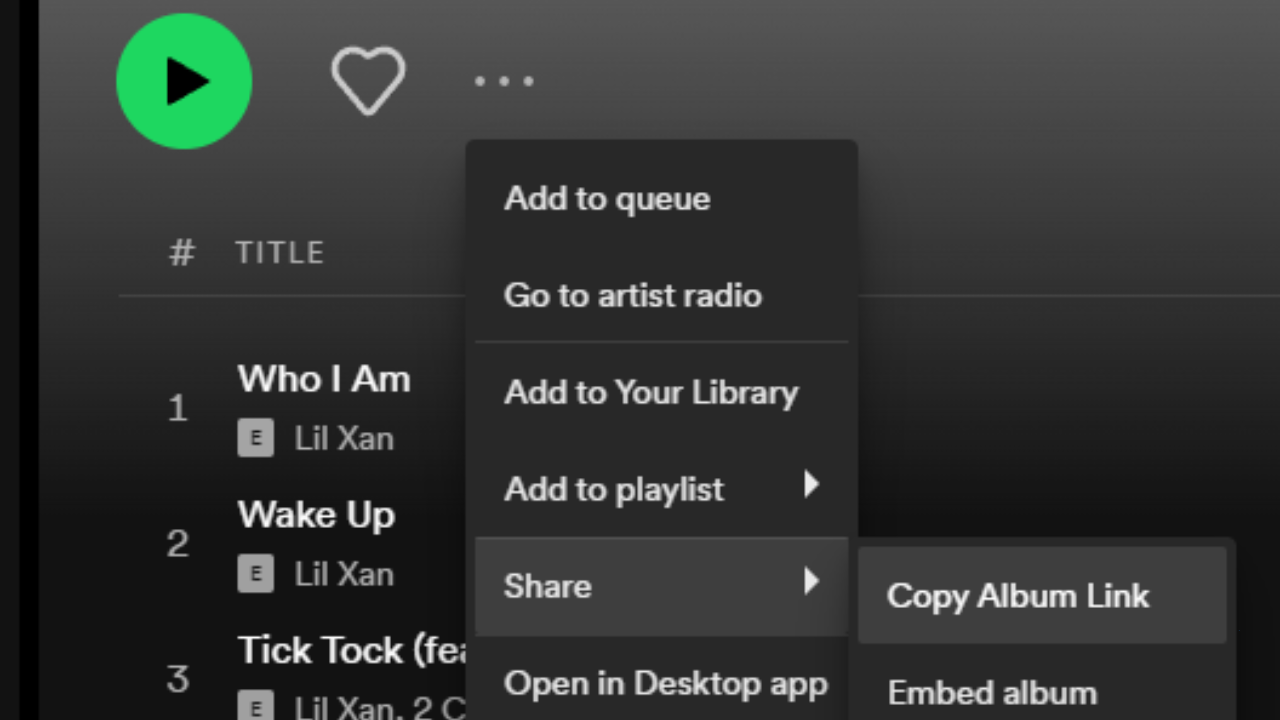
One of the unique features that sets Spotify apart from other music streaming services is the ability to share songs and playlists with ease. By simply clicking the share button, users can distribute music across different social media platforms, text messages, and even embed playlists on websites. It’s a simple yet powerful way to expand the reach of the music shared, and it helps to grow the fan base for both artists and the platform itself.
The Founders and Key Investors Behind Spotify’s Ownership
When you ask, “Who owns Spotify?” the answer is a combination of multiple stakeholders, including its co-founders, private investors, and public shareholders. The co-founders, Daniel Ek and Martin Lorentzon, remain at the forefront of Spotify’s leadership, with Ek serving as the CEO and Lorentzon as the Chairman.
Daniel Ek, who was just 23 years old when he co-founded the company, is widely regarded as the driving force behind Spotify’s vision and growth. Over the years, he has maintained a majority stake in the company, which has allowed him to have significant influence over its strategic direction. Ek’s leadership and innovative approach to streaming have helped Spotify remain ahead of competitors like Apple Music, Amazon Music, and YouTube Music.
In addition to the founders, Spotify has received substantial investment from various venture capital firms and private investors. Early investors include prominent firms such as Accel Partners, Technology Crossover Ventures (TCV), and Kleiner Perkins. These investors provided the necessary capital for Spotify to scale up and expand globally.
Spotify went public on the New York Stock Exchange in April 2018 through a direct listing, meaning it did not issue new shares to raise capital. Instead, existing shareholders were able to sell their stakes to the public. This move allowed Spotify to bypass the traditional IPO process and retain control over its operations. As a result, the company’s top fans, as well as institutional investors, became part of Spotify’s public ownership structure.
Today, Spotify is publicly traded under the symbol “SPOT,” and its ownership is spread across a mix of public shareholders, institutional investors, and insiders. While Daniel Ek remains the largest individual shareholder, other stakeholders, such as venture capital firms and large institutions, hold substantial shares in the company.
Who Else Owns Spotify? A Look at Institutional Investors
Institutional investors play a significant role in Spotify’s ownership. These investors, such as hedge funds and large investment firms, are often the ones with the most influence over the company’s direction. Some of the notable institutional investors in Spotify include:
- T. Rowe Price Associates: This investment firm holds a significant stake in Spotify and has been one of the largest investors in the company since its IPO.
- Goldman Sachs: As one of the leading investment banks, Goldman Sachs has also been a key player in Spotify’s ownership structure.
These institutional investors bring not only capital but also strategic insights and connections that help Spotify navigate the competitive music streaming industry. The support of these investors has allowed Spotify to continue innovating and expanding its offerings, such as podcasts, audiobooks, and enhanced music discovery features.
Spotify’s Future and the Importance of User Engagement
As we continue to ask, “Who owns Spotify?” it’s important to remember that the ownership structure of the company is continually evolving. As Spotify grows, its user base, especially the most engaged Spotify’s top fans, will continue to shape the platform’s future.
The combination of user engagement, innovation, and strategic investments will determine how Spotify adapts to an increasingly competitive market. The ability to download songs from Spotify links and enjoy music offline continues to be a big selling point for users, while new features like personalized playlists and social integrations keep the platform relevant.
In conclusion, the answer to “who owns Spotify” is a complex one, but it’s clear that its success is due to the collaboration of key founders, investors, and its dedicated users. As the platform grows, its ownership structure will likely evolve, but its mission to provide music for everyone will likely remain unchanged. With Spotify’s global influence and constant drive for innovation, it seems poised to remain a leader in the music streaming industry for years to come.