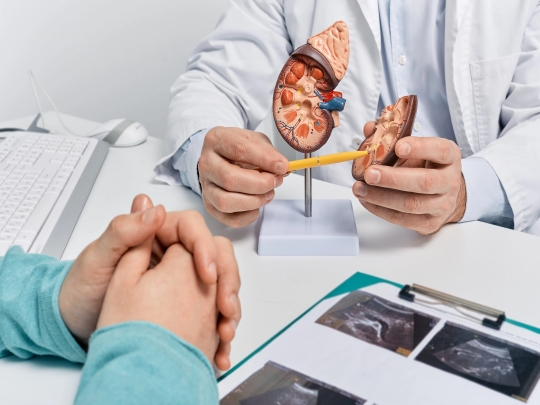
Kidney stones can cause severe pain and discomfort, affecting millions of people worldwide. These hard mineral deposits form in the kidneys and can obstruct the urinary tract, leading to pain, nausea, and difficulty urinating. While small kidney stones may pass on their own, larger ones often require medical intervention. Fortunately, there are several effective methods for kidney stone removal, each tailored to the stone’s size, location, and type. Below, we’ll explore five widely used and effective methods for kidney stone removal.
1. Drinking More Water and Dietary Adjustments
For smaller kidney stones, a natural and non-invasive method often recommended by healthcare providers is increasing fluid intake. Drinking more water helps flush out the kidneys and can aid in the passage of small stones. Ideally, drinking 2 to 3 liters of water a day increases urine output, reducing the likelihood of stone formation and assisting in eliminating existing stones.
In conjunction with increased water intake, dietary adjustments can also play a crucial role. Reducing sodium, oxalates (found in foods like spinach, nuts, and chocolates), and animal proteins can prevent the formation of new stones. Potassium-rich foods like bananas and oranges are beneficial as they help balance calcium levels in the body, minimizing stone development.
Though this method is non-invasive, it’s primarily effective for smaller stones or as a preventive measure rather than a treatment for larger, more complicated kidney stones.
2. Extracorporeal Shock Wave Lithotripsy (ESWL)
When kidney stones are too large to pass naturally, Extracorporeal Shock Wave Lithotripsy (ESWL) is a common, non-invasive procedure. In this method, shock waves are directed at the kidney stone through the body to break it into smaller fragments, which can then be passed naturally through the urinary system.
ESWL is typically done on an outpatient basis and is relatively quick, lasting about 45 minutes to an hour. Patients can expect mild discomfort during the procedure, but it is generally well-tolerated. After the treatment, you’ll be encouraged to drink plenty of water to help pass the stone fragments.
While ESWL is effective for stones of moderate size, it may not work as well for larger or harder stones, and multiple treatments could be necessary.
3. Ureteroscopy
For stones located in the ureter or kidney that are too large to be treated by ESWL, ureteroscopy is often recommended. In this minimally invasive procedure, a thin, flexible scope called a ureteroscope is inserted through the urethra, bladder, and ureter to reach the stone. Once the stone is located, the doctor can use laser energy to break the stone into smaller pieces or remove it entirely using a small basket-like device.
Ureteroscopy is highly effective and generally performed under general anesthesia. After the procedure, a stent may be temporarily placed in the ureter to allow for proper healing and drainage of urine. While ureteroscopy is more invasive than ESWL, it is effective for stones located lower in the urinary tract or for stones that are resistant to shockwave treatment.
4. Percutaneous Nephrolithotomy (PCNL)
For very large kidney stones, particularly those larger than 2 centimeters, Percutaneous Nephrolithotomy (PCNL) is the most effective method of removal. In this surgical procedure, a small incision is made in the patient’s back, and a nephroscope (a thin, tube-like instrument) is inserted directly into the kidney to remove or break up the stone.
PCNL is performed under general anesthesia and requires a short hospital stay due to its invasive nature. Despite being more invasive than other methods, it is highly effective for removing large or complex stones that cannot be treated with less invasive procedures like ESWL or ureteroscopy.
The recovery period for PCNL can be slightly longer, but the success rate for completely removing large stones is high, making it a preferred option for complicated cases.
5. Medication for Stone Dissolution
In cases where the kidney stones are composed of uric acid, certain medications can be prescribed to dissolve the stones without the need for invasive procedures. These medications, like potassium citrate or sodium bicarbonate, work by making the urine less acidic, helping dissolve the stones over time.
This method of treatment is non-invasive but requires patience, as the dissolution process can take weeks or months, depending on the size of the stone. While medication is effective for uric acid stones, it is not useful for other types of kidney stones, such as calcium oxalate or struvite stones.
Preventive Measures
While these treatments are highly effective for kidney stone removal, prevention is always the best strategy. Here are some preventive measures to avoid the recurrence of kidney stones: If you’re facing kidney stones symptoms in bangalore, expert care is crucial. Consult a specialist in Bangalore for effective treatments like ESWL and ureteroscopy. SSurocare provides personalized solutions for kidney stone removal in bangalore.
- Stay Hydrated: Drink at least 2 to 3 liters of water daily to keep your urine dilute and prevent the formation of stones.
- Limit Salt and Oxalate Intake: Reduce sodium and avoid foods high in oxalates, such as spinach, nuts, and chocolate, to minimize your risk.
- Maintain a Balanced Diet: Eating a balanced diet rich in calcium and low in animal proteins can help prevent the formation of certain types of stones.
- Monitor Medication Use: Some medications can increase the likelihood of kidney stones, so consult with your doctor about any potential side effects.
Conclusion
Kidney stone removal can vary depending on the size, type, and location of the stones. From natural methods like increasing water intake to more advanced surgical procedures like PCNL, there are effective treatments available for every type of stone. It’s important to consult with a healthcare provider to determine the best method based on individual circumstances. Whether you opt for non-invasive treatments like ESWL or require surgical intervention, early diagnosis and treatment can relieve symptoms and prevent complications.