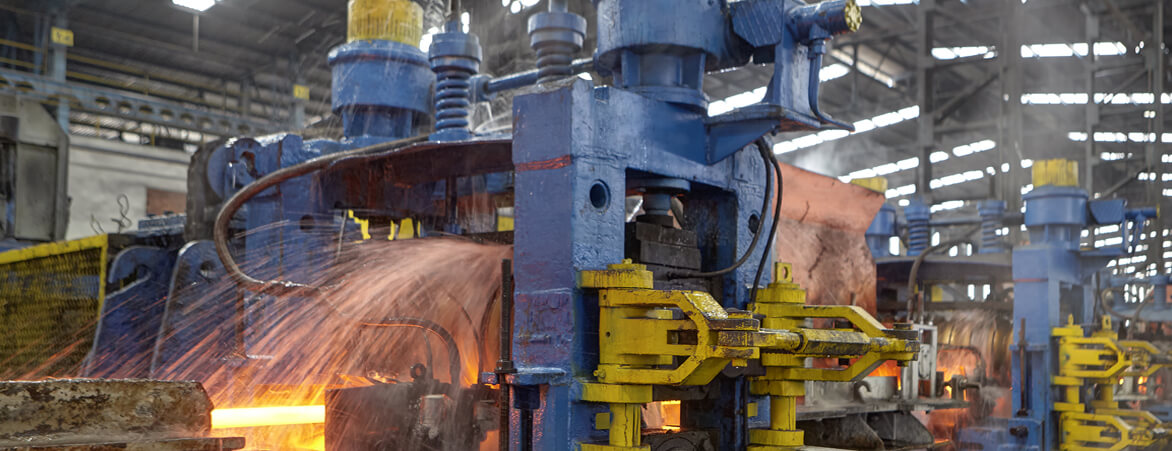
Maintaining a safe work environment is paramount for any industrial facility. Regular safety compliance audits are crucial in identifying potential hazards and ensuring your plant equipment meets current safety regulations. We offer industrial safety audits and have extensive experience in evaluating plant equipment across various industries, ensuring the safety of workers, and preventing costly accidents.
Here are 5 key signs that indicate your plant equipment might be due for a safety compliance audit:
1. Outdated Equipment
Operating with outdated equipment poses significant safety risks. These risks include:
- Increased breakdowns and malfunctions: Older equipment is more prone to breakdowns, leading to unforeseen stoppages and potential safety hazards.
- Non-compliance with current safety standards: Regulations and safety standards evolve. Outdated equipment might need to meet the latest safety requirements, lacking crucial features or safeguards.
2. Frequent Equipment Breakdowns
Frequent breakdowns are a red flag for potential safety issues. Here’s why:
- Unforeseen breakdowns can lead to accidents and injuries: Unpredictable equipment failures can create dangerous situations for workers.
- Repeated breakdowns indicate underlying safety problems: Frequent issues suggest a need for a deeper industrial safety audit to identify and address the root cause of the malfunctions.
3. Lack of Proper Maintenance Records
Maintaining accurate and complete documentation for equipment maintenance is crucial for safety. Missing or incomplete records can be a sign of potential problems:
- Records provide a history of repairs, inspections, and modifications: Documentation helps ensure maintenance is performed according to the manufacturer’s recommendations and safety standards.
- Missing records suggest potential neglect of equipment maintenance: The absence of records indicates a lack of proper care, potentially leading to hidden safety concerns.
4. Employee Safety Concerns
Employees often have firsthand experience with the equipment and may notice potential hazards. Ignoring their concerns can be detrimental:
- Employee safety anxieties should be taken seriously: Employees who raise safety concerns should be heard and investigated promptly.
- Employee feedback can be a valuable indicator for a needed safety audit: A safety audit can objectively assess the equipment and address any employee anxieties about its safety.
5. Changes in Regulations or Industry Standards
Evolving regulations and industry best practices can impact equipment safety:
- New regulations may require additional safety features or modifications: Staying compliant with updated regulations necessitates retrofitting existing equipment or acquiring new safety technologies. Therefore, safety audits in industrial units can occasionally avoid this.
- Industry best practices may have changed: Advancements in safety protocols and maintenance procedures often occur. A safety audit can ensure your plant equipment aligns with these best practices.
Comprehensive Plant Safety Audits With SAFE Engineering, Inc.
Regular safety compliance audits are essential for safeguarding your workers, preventing accidents, and ensuring your plant equipment operates within legal and safety guidelines.
SAFE Engineering, Inc. offers comprehensive safety audits tailored to your specific needs. We utilize our expertise to identify potential hazards, assess compliance with regulations, and recommend corrective actions. Don’t wait for a serious accident to happen. Contact us today for a consultation and to discuss how we can help ensure the safety of your plant equipment and workforce.