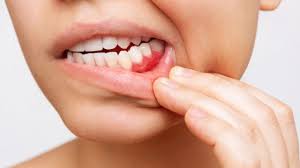
Tooth extraction can be a significant procedure, whether due to wisdom teeth, decayed teeth, or orthodontic treatment. Once the tooth is removed, your oral health can be at risk if you don’t take the necessary steps to prevent complications. One of the main concerns after tooth extraction is the risk of gum disease, which can occur if the area isn’t properly cared for. If you need gum disease treatment in Panvel, understanding how to prevent it is essential.
In this guide, we’ll explain gum disease, why it’s a concern after tooth extraction, and, most importantly, how to prevent it. The goal is to give you practical, easy-to-follow advice to ensure your healing process goes smoothly.
What is Gum Disease?
Gum or periodontal disease is a tissue infection that holds teeth in place. It typically starts as gingivitis, where the gums become inflamed and red and may bleed when you brush or floss. If left untreated, it can develop into periodontitis, a more severe condition in which the gums pull away from the teeth, creating pockets that can damage bone and tissue.
If bacteria accumulate in the extraction site or other parts of your mouth after a tooth extraction, the risk of gum disease can increase. Maintaining excellent oral hygiene during this recovery period is crucial to avoid gum infection and ensure a quick, problem-free healing process.
Why is Gum Disease a Concern After Tooth Extraction?
After a tooth is extracted, your gum tissue and surrounding areas are vulnerable to infection. The extraction site becomes an open wound, allowing bacteria to enter. If proper care isn’t taken, this can lead to a variety of problems, including:
- Infection in the extraction site: If bacteria from plaque enter the wound, it can cause a painful disease that could slow the healing process.
- A dry socket: This occurs when the blood clot forming in the extraction site gets dislodged, exposing the bone and nerves. It is painful and can increase the risk of infection.
- Gum inflammation and disease: Inadequate oral hygiene during recovery can lead to plaque buildup around the gum line, which may cause gingivitis or even more severe gum disease like periodontitis.
By understanding the risks, you can be better prepared to take preventive measures to protect your gums after tooth extraction.
Essential Steps to Prevent Gum Disease After Tooth Extraction
1. Follow Your Dentist’s Aftercare Instructions
After your tooth extraction, your dentist will provide specific instructions on how to care for your mouth. These instructions are tailored to ensure a smooth healing process, so following them carefully is crucial. Typically, your dentist will advise you when and how to rinse your mouth, what to eat or avoid, and when to take medication. Don’t hesitate to contact your dentist with any concerns or questions during your recovery.
2. Maintain Good Oral Hygiene
Keeping your mouth clean prevents gum disease after a tooth extraction. However, you’ll need to be careful around the extraction site. Here’s how you can maintain oral hygiene while being gentle with the area:
- Brush carefully: Use a soft-bristled toothbrush and gently brush your teeth twice daily, being cautious around the extraction site. Avoid the direct area for the first couple of days, but keep the rest of your mouth clean to prevent plaque buildup.
- Floss daily: Flossing helps remove food particles and plaque between your teeth, reducing the risk of gum disease. Be gentle when flossing near the extraction site, and skip the immediate area until it heals.
- Rinse with saltwater: After 24 hours, your dentist may recommend rinsing your mouth with a warm saltwater solution. This helps keep the area clean, reduces swelling, and promotes healing. Be sure to gently swish the solution in your mouth without spitting too forcefully to avoid dislodging the blood clot.
3. Eat Soft, Nutritious Foods
Your diet plays a significant role in the healing process. After tooth extraction, stick to soft foods that are easy to chew and won’t irritate the site. Avoid crunchy, hard, or sticky foods that could get stuck in the wound or disturb the blood clot.
Some excellent soft food options include:
- Yogurt
- Mashed potatoes
- Smoothies
- Scrambled eggs
- Soup (make sure it’s not too hot)
It’s also important to stay hydrated and avoid sugary or acidic drinks, which can contribute to plaque buildup and gum irritation.
4. Avoid Smoking and Alcohol
If you smoke or drink alcohol, now is a great time to take a break. Both smoking and alcohol can impair healing and increase the risk of gum disease. Smoking, in particular, restricts blood flow to the gums and can interfere with the healing process, making it easier for bacteria to cause infection.
5. Use a Prescription Mouthwash
Sometimes, your dentist may recommend a prescription antibacterial mouthwash, such as chlorhexidine, to help prevent infection. This can be especially useful in controlling plaque buildup and reducing the risk of gum disease during the healing period. Follow your dentist’s advice on how often to use it, and avoid overusing mouthwash, as it can disrupt the natural balance of bacteria in your mouth.
6. Pay Attention to Warning Signs
Even if you’re doing everything right, watching for signs that your gums may develop an infection or disease is essential. Some warning signs include:
- Persistent pain or swelling: Some discomfort after extraction is normal, but if it doesn’t subside or worsen, it could indicate a problem.
- Excessive bleeding: Bleeding is common immediately after extraction but should stop after a few hours. If bleeding continues, contact your dentist.
- Foul taste or smell: This could indicate an infection in the extraction site.
- Red, swollen, or bleeding gums: These are classic signs of gum disease and should not be ignored.
Contact your dentist immediately to prevent further complications if you notice these symptoms.
Regular Dental Check-Ups
Even after your tooth extraction site has healed, regular dental check-ups are essential to maintaining good oral health and preventing gum disease. Your dentist can monitor your gums’ health and identify any early signs of issues before they become more severe. In the long term, maintaining routine dental cleanings and check-ups will help keep your gums healthy and lower your risk of developing gum disease.
Conclusion
Preventing gum disease after a tooth extraction doesn’t have to be complicated. Following your dentist’s instructions, practicing good oral hygiene, and being mindful of your diet can reduce risk and ensure a smooth recovery. Remember, your gums are the foundation of a healthy smile, so taking care of them now will benefit you for years.
Take it one step at a time, and don’t hesitate to seek advice from your dentist if you’re unsure about anything. You’ll be well on your way to a healthy, problem-free recovery with the right care.