In today’s competitive market, food and beverage packaging plays a crucial role far beyond just protecting products. Packaging is one of the first things a customer notices when making a purchase, and it can significantly influence their buying decision. While functionality and safety are important, the design of food and beverage boxes is just as vital, if not more. It serves as a powerful tool in brand recognition, communication, and customer experience.
The importance of design in food and beverage box packaging cannot be overstated. Packaging design is not merely a cosmetic aspect; it’s a blend of form and function that reflects the quality of the product inside and helps establish a strong connection between a brand and its audience. In this blog, we will explore why packaging design matters and how it can elevate your food and beverage brand.
1. First Impressions Matter
They say you never get a second chance to make a first impression—and the same can be said for packaging. When customers come across a food or beverage product on a shelf, its packaging is the first thing that captures their attention. In a crowded market filled with countless brands and products, the design of your box can make all the difference in drawing potential customers in.
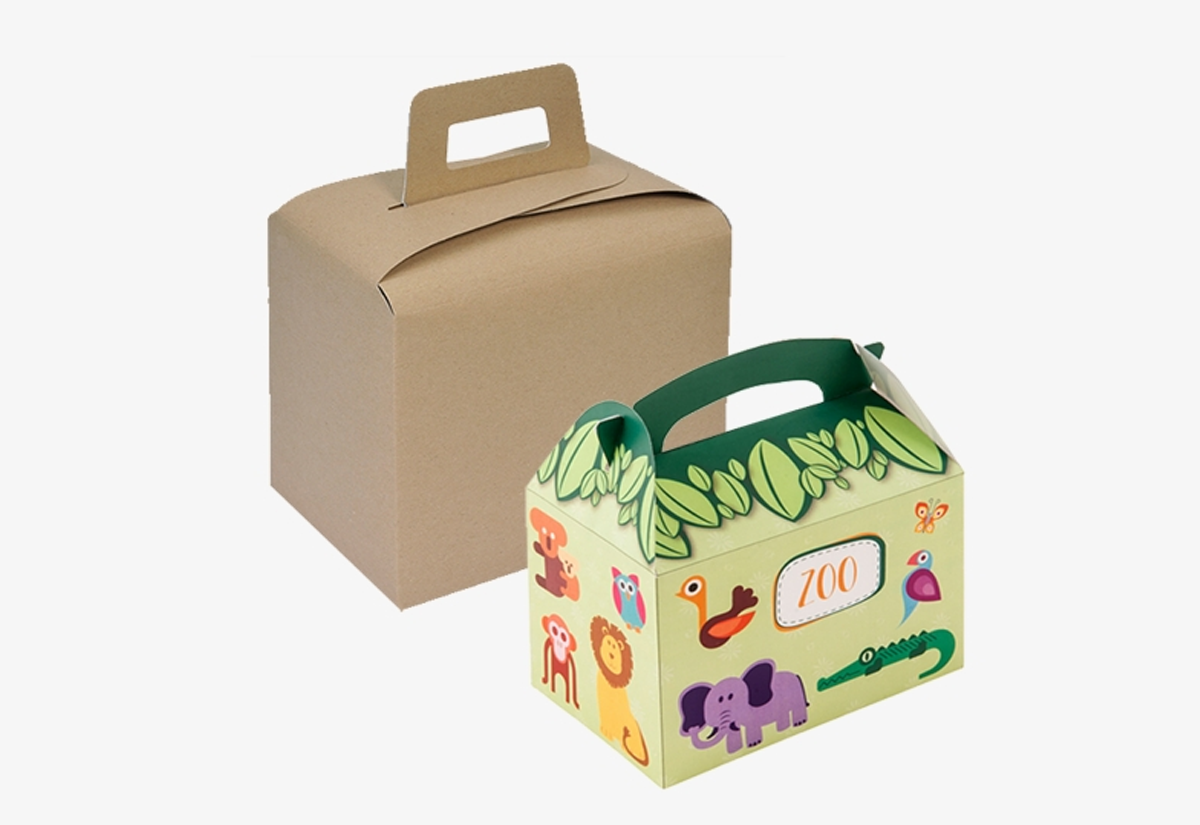
Consider the visual elements: color, typography, imagery, and layout. These design choices should work together to make your product stand out in a sea of similar items. Bold colors can attract attention, while elegant or minimalistic designs might appeal to a different demographic. Each element should reflect the nature of the product, its quality, and its intended market. For example, a vibrant, fun design might be perfect for a children’s snack, while a more refined, sleek design could be better suited for a premium beverage brand.
Good packaging design doesn’t just make a positive first impression; it also creates an immediate association with the brand and conveys the quality and care behind the product. Customers who feel drawn to a product because of its eye-catching design are more likely to trust the brand and make a purchase.

2. Building Brand Identity and Recognition
Packaging is one of the most effective ways to establish and reinforce a brand’s identity. A well-designed food or beverage box communicates much more than the product inside; it tells the story of your brand. The colors, fonts, logo, and even the material used in the packaging all contribute to building a cohesive and recognizable brand image.
For example, if you’re running a sustainable food business, using eco-friendly packaging with natural, earthy tones might reinforce the idea that your brand cares about the environment. On the other hand, if your food product is high-end or artisanal, a luxurious, sleek design might convey a sense of exclusivity and quality.
When customers are familiar with a brand’s packaging, they can instantly recognize it on the shelf without even needing to read the label. This recognition is essential for brand loyalty and repeat business. If customers trust your brand and are satisfied with their previous purchases, they’ll be more likely to buy your product again when they spot it on the shelf.
In fact, packaging design is so crucial to brand recognition that some companies have even trademarked their packaging design (think of Coca-Cola’s classic contour bottle or the Tiffany blue box). Your packaging is your brand’s ambassador—it should communicate your values, aesthetics, and promise to the consumer.
3. Effective Communication with Consumers
Packaging is an excellent way to communicate important information about your food or beverage product. From nutritional facts and ingredients to product benefits and storage instructions, the design of your box provides a platform for conveying key messages to your customers.
Good design makes it easy for consumers to find the information they need. Clear, legible typography and an intuitive layout ensure that details like expiry dates, serving sizes, and certifications (e.g., organic, gluten-free) are prominently displayed and easy to read. The more organized and aesthetically pleasing the packaging, the easier it is for customers to trust that your product is well-made and of high quality.
Beyond just listing information, packaging design can also communicate the brand’s story or ethos. For instance, if your brand emphasizes local ingredients, sustainability, or health-consciousness, your packaging design can highlight those values. A compelling narrative on the box can deepen the emotional connection with the consumer, making them feel more aligned with your brand and encouraging them to choose your product over others.
4. Enhancing the Consumer Experience
Food and beverage packaging design has the power to enhance the overall consumer experience. From the unboxing or opening of the product to how the product is consumed, the design can play a significant role in how consumers interact with your product.
For example, a well-designed beverage box can make it easier to pour, while a food box with a secure, resealable lid can extend the product’s shelf life. Thoughtful packaging design makes the product easier to handle, store, and enjoy, ultimately improving the customer’s satisfaction with the purchase.
Packaging also adds an element of surprise and delight. The unboxing experience is particularly important in the world of online shopping, where customers expect to receive their items in perfect condition and presented in a way that reflects the quality of the product. Adding small touches to your packaging, such as personalized notes or unique design features, can make the experience feel more special and increase customer loyalty.
When customers enjoy the experience of using your product, they’re more likely to associate that positive feeling with your brand, leading to repeat business and even word-of-mouth recommendations.
5. Differentiating Your Product in a Crowded Market
With countless food and beverage options available to consumers, standing out from the competition can be a challenge. Packaging design is one of the easiest ways to differentiate your product and highlight what makes it unique. Whether it’s a distinctive shape, bold colors, or an unexpected design element, packaging can help you carve out your niche in the market.
For instance, if your food or beverage product is health-oriented, a clean, minimalist design with green accents might highlight its natural ingredients and appeal to health-conscious consumers. Conversely, a fun, whimsical design with bright colors and playful illustrations could attract a younger, trendier crowd.
The key is to design your packaging in a way that not only communicates the essence of your product but also captures the attention of your target demographic. Packaging is a form of non-verbal communication—through design, you can convey your product’s personality, value, and benefits in a way that’s immediately understood by the consumer.
6. Sustainability and Ethical Design
Sustainability has become a major concern for both businesses and consumers in recent years. More and more people are looking for brands that prioritize eco-friendly practices and materials. In response, food and beverage packaging design is evolving to meet these expectations.
Using sustainable materials, such as recyclable, compostable, or biodegradable packaging, can help reduce environmental impact and appeal to eco-conscious consumers. The design itself can also reflect sustainability through minimalist designs, reducing the use of unnecessary materials or ink, and promoting the brand’s eco-friendly values.
Brands that embrace sustainability in their packaging design not only appeal to a growing segment of eco-conscious consumers but also show their commitment to responsible business practices. This can foster greater customer loyalty and positive brand perception.
Conclusion
The design of food and beverage box packaging is far more than just an aesthetic consideration—it plays a vital role in how a product is perceived, how it communicates with customers, and how it differentiates itself in the market. From creating an impactful first impression to building brand recognition and enhancing the overall consumer experience, packaging design is a critical component of any food and beverage business strategy.
By investing in thoughtful, creative, and functional packaging design, brands can build stronger connections with consumers, foster loyalty, and ultimately drive sales. Packaging isn’t just about holding a product; it’s about telling a story, conveying quality, and creating an experience that customers will remember and return to. As competition continues to rise, the importance of good packaging design will only become more pronounced. It’s an investment that pays dividends for your brand’s long-term success.