Losing a tooth can be a frustrating ordeal. It affects not only your grin but also your confidence and eating ability. Dentalimplants represent the optimal solution for replacing missing teeth, while alternative solutions exist. But why are they better than bridges or dentures? Let’s find out.
What Makes a Dental Implant So Special?
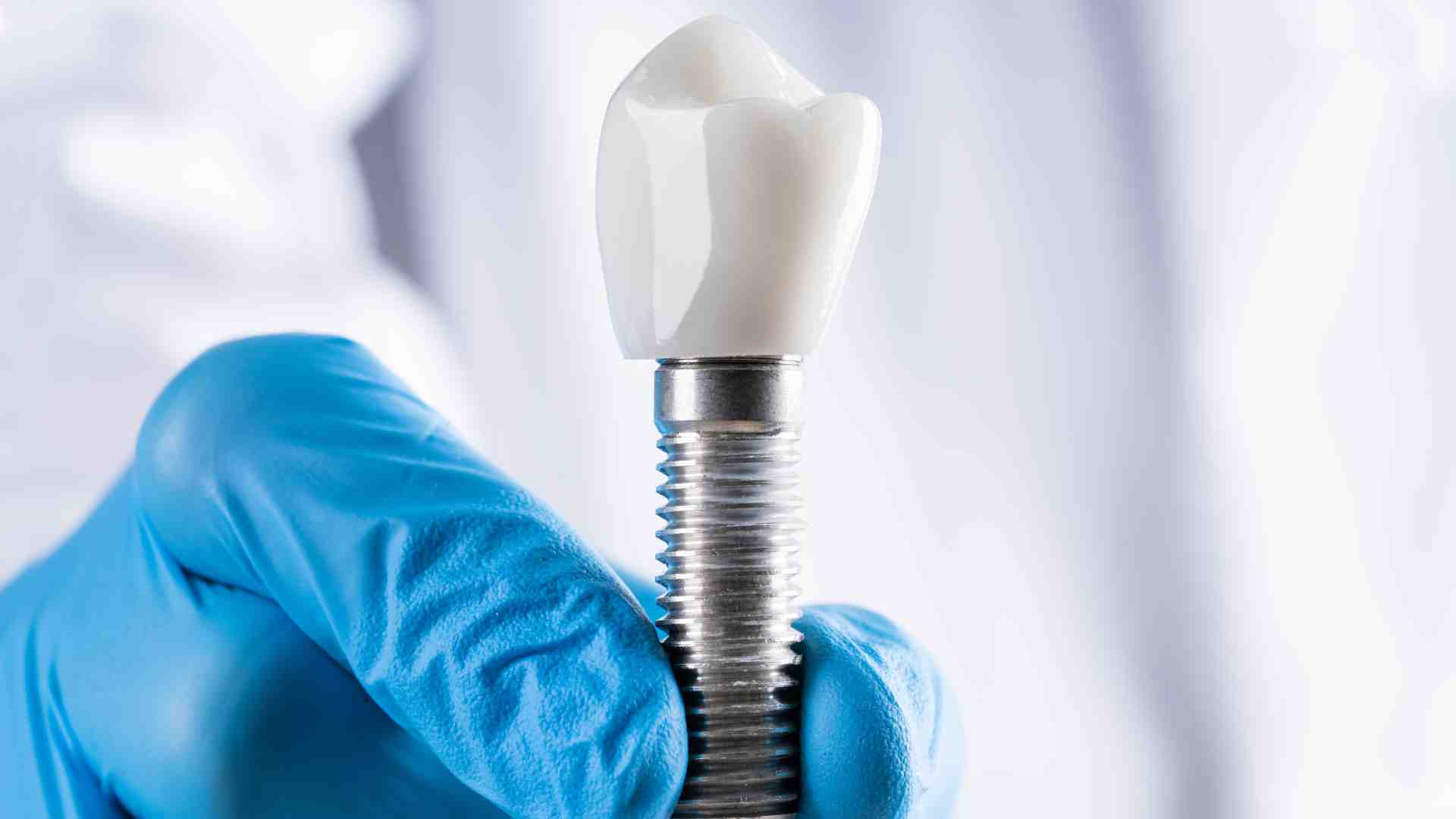
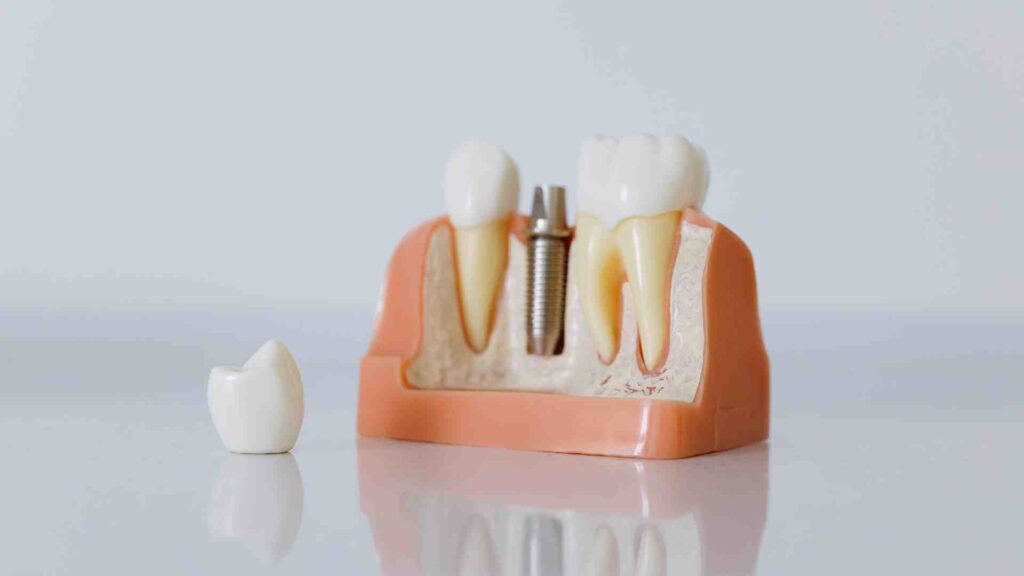
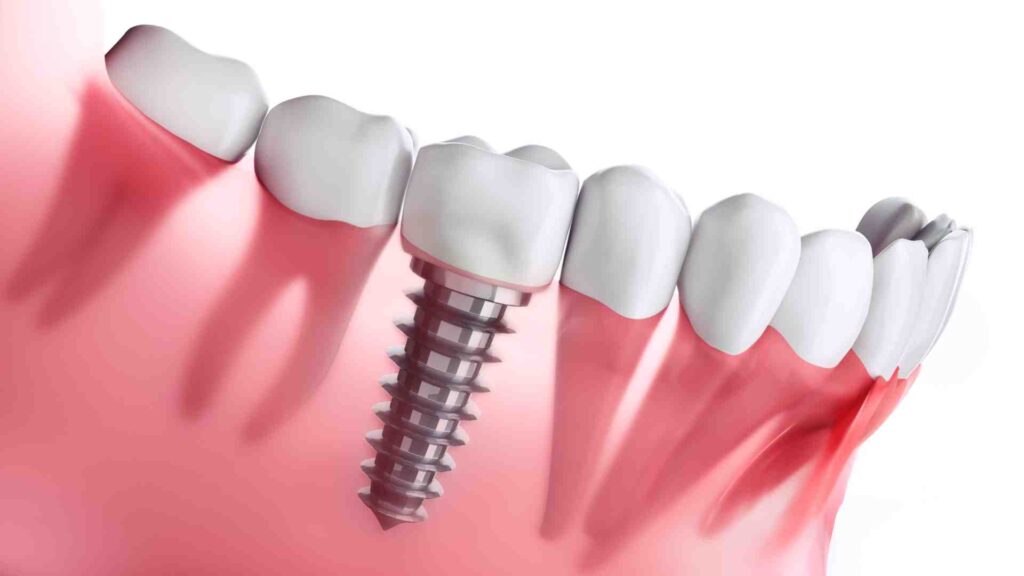
If you lose a tooth root, you can get a dental implant, a small post made of titanium. After being inserted into the jawbone, it gradually blends in with the bone. When it has healed, a crown is placed on it, giving it the look and feel of a natural tooth.
Natural Look and Feel
Dental implants work like real teeth, unlike dentures, which may move or feel artificial. They match the colour, shape, and alignment of the rest of your teeth, making them virtually undetectable.
Long-Lasting and Durable
The longevity of dental implants is one of the main factors influencing consumer choice. With proper care, they can last a lifetime. Other options, like dentures or bridges, often need replacement every few years.
No Special Maintenance Required
Maintaining your natural teeth is as simple as caring for a dental implant. They will stay in excellent condition with frequent dental checkups, daily brushing, and flossing.
When a tooth is lost, the jawbone in that area shrinks due to lack of stimulation. Dental implants maintain bone strength and stop more bone loss by functioning similarly to natural tooth roots.
No Impact on Nearby Teeth
To support a traditional bridge, nearby teeth must be ground down. Dental implants, on the other hand, stand on their own without affecting surrounding teeth.
Better Bite and Comfort
Missing teeth can make eating difficult, but dental implants restore your ability to chew correctly. Unlike dentures, which can cause discomfort, implants feel entirely natural.
Who Is a Good Candidate for Dental Implants?
While dental implants are the best option for most people, certain factors determine eligibility.
Healthy Gums and Jawbone
Since the implant fuses with the jawbone, a healthy and strong bone structure is essential. If you have bone loss, additional procedures like bone grafting may be needed.
Good Overall Health
Certain health conditions, like uncontrolled diabetes or smoking, can affect the healing process. A consultation with a dental expert will determine if you’re a good candidate.
Age Considerations
Dental implants are ideal for adults of all ages. However, they are not recommended for children or teenagers, as their jawbones are still developing.
Are Dental Implants Worth the Investment?
While dental implants may cost more upfront than other tooth replacement options, they provide long-term value. Unlike dentures and bridges, which require periodic adjustments and replacements, implants are a one-time solution when correctly cared for.
A Confidence Booster
A missing tooth can make people self-conscious about their smiles. You may eat, talk, and laugh with dental implants without worrying about discomfort or movement.
A Life-Changing Solution
Many patients who choose dental implants say they have their natural teeth back. The stability, comfort, and function make them well worth the investment.
Cost vs. Benefit Analysis
Though dental implants may seem expensive, they save money in the long run by eliminating the need for repeated dental work. Unlike dentures, they don’t require adhesives or unique cleaning products.
The Procedure: What to Expect
Knowing the process can ease any concerns if you’re considering dental implants.
Step 1: Consultation and Planning
A dentist will evaluate your oral health, take X-rays, and discuss the best plan for your implant procedure.
Step 2: Placement of the Implant
The titanium post is surgically placed into the jawbone. This process is typically done under local anaesthesia and is relatively painless.
Step 3: Healing and Integration
Over the next few months, the implant fuses with the bone in osseointegration. This ensures the implant remains stable and secure.
Step 4: Attaching the Crown
When it has healed, a specially manufactured crown is positioned on the implant. This crown is designed to blend in perfectly with your surrounding teeth.
Step 5: Enjoying Your New Smile
After the treatment, you can profit from your dental implant—a gorgeous, completely functioning tooth replacement.
Where to Get Quality Dental Implants
Selecting a reliable expert is crucial if you are thinking about getting dental implants. Clinics specialize in high-quality implant procedures, ensuring the best care and results.
Dental implants are the best choice when you need to repair a tooth. Their permanent, natural-looking, and practical solution enhances confidence and dental health. For those considering smile restoration, dental implants may be the ideal choice.
FAQs About Dental Implants
1. How long do dental implants last?
If you take good care of your tooth implants, they can last a lifetime. Regular brushing, flossing, and dental checkups help maintain their durability.
2. Is getting a dental implant painful?
The procedure is done under local anaesthesia so you won’t feel pain. Some mild discomfort may occur after surgery, but it can be managed with pain relievers.
3. How much do dental implants cost?
Costs vary based on location and complexity. Though implants have a higher upfront cost, they are a long-term solution, making them a worthwhile investment.
4. Can anyone get dental implants?
Most adults with healthy gums and enough jawbone density are good candidates. Those with bone loss may need additional procedures like bone grafting.
5. How long does the dental implant process take?
The whole process, including healing, can take several months. Implant placement is quick, but osseointegration (bone fusion) takes 3-6 months before the final crown is placed.