You want equipment that will not let you down in the middle of a busy shift. You want safer aisles, faster turns, and fewer headaches when something needs service. That is why the decision to buy a stacker forklift feels big. It should. This single machine influences throughput, safety, labor needs, and even your energy bill. If you get it right, your team feels the difference on day one. If you get it wrong, the cost shows up in delays and downtime.
In this guide, you will work through a practical, procurement-ready framework. You will map your real workloads to the right specifications, verify safety and compliance, weigh total cost of ownership against power choices, evaluate the vendor as a long-term partner, and protect operator wellbeing. You will also see how to prepare for growth so today’s win does not turn into tomorrow’s bottleneck.
Map Your Real-World Workflows And Constraints
Start with the work your people do every hour. What are your typical pallet weights and load dimensions across the week? How high do you need to lift, and how often do you reach those top bays? Is your floor surface smooth or scarred by years of traffic. Do you have cold rooms, outdoor yards, or ramps? These details shape the machine that will actually help, not just look good in a brochure.
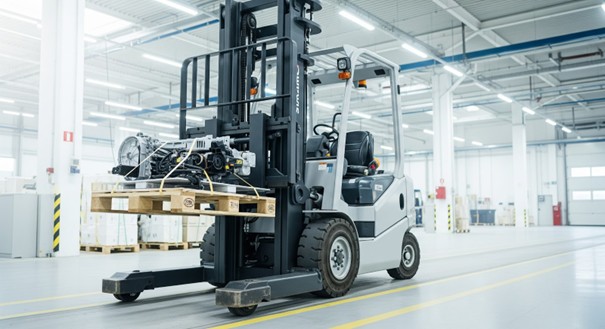
For lighter pallets and indoor use, many facilities find an electric pallet stacker forklift delivers the right balance of maneuverability and efficiency. If your operators are moving heavier loads in high-rack environments, you will want to look at more powerful alternatives.
Walk the aisles with your operations lead and one or two operators. Measure aisle widths and turning circles. Watch where delays happen, where pallets wait, and where visibility drops. If your team is stacking to six meters, a mast that feels stable at four can feel shaky near the top. If your aisles are tight, a compact chassis and responsive steering will save you time on every pick. Capture real duty cycles too. If your shifts are long and breaks are short, you will need a plan for charging or refueling that will not slow the line.
Make Safety, Compliance, And Training Non-Negotiable
Safety is the first promise you make to your team. As you evaluate models, look at stability systems, protected operator zones, and how the mast impacts the line of sight. Controls should feel natural. If a handle forces a twist, your operators will feel it by mid-shift. If visibility is blocked at lift, risk rises right when precision matters most.
Your procurement role also extends to ensuring compliance. A stacker forklift is part of your warehouse material handling equipment, and it has to meet the regulations that keep workers safe. Ask suppliers to provide certification details and inspection guidelines. Push for operator training as part of the onboarding plan, not as an optional extra. When your people feel confident and supported, safety becomes a habit that keeps shifts predictable.
Weigh Total Cost Of Ownership And Choose The Right Power
Price gets attention, but total cost of ownership decides whether this machine pays you back. You will account for energy or fuel, preventive maintenance, parts availability, technician travel, and the impact of downtime. A lower purchase price can be attractive. The real picture becomes clear when you calculate maintenance and repair over time.
Electric stackers shine indoors. They are quiet, clean at point of use, and usually cheaper to run per shift. You will plan for charging windows, battery swaps, or opportunity charging that fits your breaks. If you run long shifts with peak bursts, look at battery capacity, cycle life, and charger performance.
Internal combustion stackers deliver more torque and quicker refueling. They fit heavier loads, rougher terrain, and outdoor yards. That is where models like an industrial stacker and reach truck often make sense. The bigger power and lift options pay off when your warehouse demands flexibility beyond flat indoor aisles.
Warranties and service intervals play into TCO as well. Ask vendors to be specific about what is covered, what is not, and how they handle wear parts. A transparent vendor will show you failure data and average response times. That level of detail tells you that you are speaking to a partner, not just a salesperson.
Choose A Vendor Who Feels Like A Partner
A great stacker forklift with weak support will still let you down. Treat the vendor selection like hiring a key team member. You are looking for people who pick up the phone, send help fast, and carry the parts you need. Ask for references from operations that look like yours. Then call them. How quickly do technicians arrive? Do they bring the right parts on the first visit? How do they treat operators during training? You will hear the truth in how those customers describe their daily experience.
Some vendors stand out by offering more than just machines. If they provide guidance on attachments like a hydraulic lifting stacker machine, you will know they understand both your present and future needs. The right partner supports and adapts with you as your business grows.
Onboarding and change management deserve attention too. A helpful vendor will support your site survey, pilot run, and operator sign-offs. They will set up maintenance reminders, show your leads how to log service tickets, and offer a clear path for escalations. When people know what happens after the purchase, stress drops.
Protect Operators And Future-Proof Your Fleet
Your operators make the machine valuable. When they are comfortable, your metrics look better. Put hands on the controls during a demonstration and listen to feedback. Are the controls intuitive? How does the chassis feel on tight turns? You will see the body language. If the machine resists them, fatigue rises by lunchtime. If the machine feels balanced and responsive, people hit their numbers with less strain.
While you are testing, think about tomorrow. Will your SKU mix change? Will racks get higher. Will you add automation or telematics? Choose a model that accepts the attachments you might need later. Look for telemetry that tracks utilization, impacts, and energy use. Some vendors even package order picker and forklift solutions for growing operations, giving you flexibility without adding more suppliers into the mix.
By bringing it all together in a structured comparison that covers performance, safety, TCO, and operator feedback, you give management a procurement recommendation backed by evidence. That builds confidence and makes your signature on the purchase order feel like the right call.
Conclusion
You are not just buying a machine. You are protecting schedules, people, and profit. When you map real workloads, treat safety as a promise, weigh ownership costs, choose a vendor you can depend on, and take operator wellbeing seriously, you set your team up for steady performance. A stacker forklift chosen with this approach delivers reliable output, safer shifts, and fewer surprises.
Take the next step with a site walk and a live demo. Invite your operators, bring your toughest pallets, and let the machine prove itself. You will know by feel when it is right. And when you sign, you will sign with confidence.