


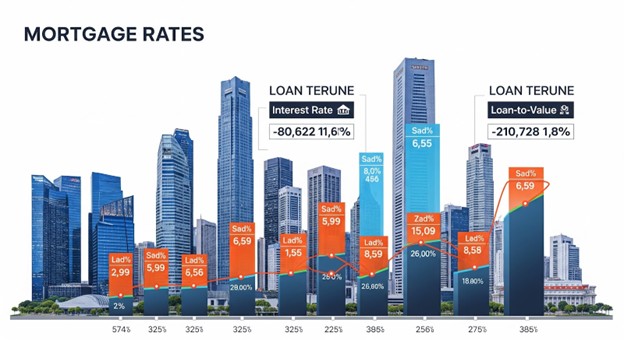
Buying a home is a major milestone. You’re excited at first, but then reality sets in. Rates. Fees. Lock-ins. The choices can feel overwhelming, and you want to be certain you make the right call. You deserve an approach that helps you focus on what matters most. With tools that let you compare mortgage rates Singapore, you can review your options clearly before making a decision.
This guide explains the difference between mortgage rates and full bank loan offers. You’ll discover what each term means, how lenders set their numbers, and how you can approach comparisons with confidence. By the end, you’ll know exactly where to place your attention so you choose a package that supports your life and long-term goals.
The Truth About Mortgage Rates You Can’t Ignore
A mortgage rate is the price of borrowing money to purchase your home. It’s shown as a yearly percentage, but its effect shows up every month in your repayment. Even a slight shift in the rate can change the total cost of your loan dramatically over 20 or 30 years.
There are two main types. A fixed rate remains constant for a given time, usually two to five years. A floating or variable rate moves according to market conditions and the bank’s internal benchmarks. These often begin lower, but they can change, which means your repayment might rise or fall over time.
So how are these rates determined? Banks consider the economy, central bank policies, and their own funding needs. They also look closely at you. Your income stability, credit profile, and loan tenure all shape the final rate you’re offered. In other words, it’s a mix of external conditions and your personal circumstances.
When you study home loan interest rates comparison, you see just how much difference even half a percent can make. This is why understanding the bigger picture is so important before making a decision.
Why Bank Loan Offers Aren’t Always What They Seem
A bank loan offer is more than just the rate. It’s the complete package you’ll sign up for, and it carries conditions that can either protect your wallet or add hidden costs. You’ll encounter processing fees, valuation charges, legal expenses, lock-in periods, and occasionally perks like subsidies or rebates. Eligibility criteria also play a role, as some offers are tied to income levels or property types.
Here’s a scenario. A bank advertises a low rate but attaches a strict three-year lock-in period with penalties for early repayment. Another bank posts a slightly higher rate, but offsets the upfront expense by covering part of your legal fees and giving you flexibility if you refinance. The second option could leave you better off in practice.
Certain packages are also tailored to specific clients. A deal for private homes may not apply to HDB flats, while some offers are reserved for buyers who meet set income thresholds.
This is why reviewing the best mortgage loan packages in Singapore means looking far beyond the headline rate. The full set of conditions defines the true value of the offer.
Compare Like A Pro And Avoid Costly Mistakes
Start with the rate, since it affects your monthly repayment directly. Then dig deeper and examine the Effective Interest Rate, or EIR. This number reflects the real yearly cost after including fees and compounding. It’s a fairer way to compare across banks.
Now review the costs that appear along the way. Legal fees and valuation charges arrive upfront. Penalties for early repayment may show up later. Some banks allow partial repayments without penalty, which helps you lower interest over time. Others set stricter rules.
Think carefully about the lock-in period. If you see yourself refinancing in a couple of years, a shorter lock-in or lower exit costs may suit you better. If you plan to stay long-term, you might prefer a longer lock-in with a lower repayment.
When you conduct a compare mortgage rates Singapore exercise, you’ll notice that lenders highlight different strengths. Some promote attractive starting rates, while others stress flexibility or benefits like subsidies. The key is to evaluate the total package, not just the surface figures.
The Hidden Factors That Shape Your Future
If stability is very important to you, a fixed rate can give you peace of mind by making sure you always make the same payments. If you’re comfortable with some variation and believe rates might ease, a floating option could be worthwhile.
Your timeline matters as well. If you plan to sell or refinance in a few years, being tied to a long lock-in may not make sense. In this case, accepting a slightly higher rate in exchange for more freedom might be a smarter move. On the other hand, if you’re settling in for the long run, locking in a lower repayment could provide comfort and security.
Your credit profile also influences the offers you receive. Strong credit and reliable income open the door to more competitive packages. Property type plays a role too, since banks assess private homes, HDBs, and executive condominiums differently.
Looking at refinance home loan options also helps. If you anticipate switching lenders later, you’ll want a package that doesn’t tie your hands with heavy penalties.
Final Thoughts: Choose The Path That Works For You
Mortgage rates and bank loan offers highlight different aspects of home financing. The rate shows the cost of borrowing, while the offer defines the conditions, fees, and incentives around that cost. Both views matter when you’re deciding on the right loan.
As you weigh your options, keep your approach simple. Start with the rate, then look at the EIR. Review the fees and repayment flexibility. Pay attention to the lock-in period and think about your timeline. Matching these details with your budget and comfort level gives you confidence in your choice.
You deserve financing that supports your goals without adding unnecessary stress. For others, the possibility of lower costs with some fluctuation is worth considering. Either way, the right option is the one that steadies your present and prepares you for the future.
When you’re ready to take the next step, remember to compare mortgage rates in Singapore and view your choices side by side.


