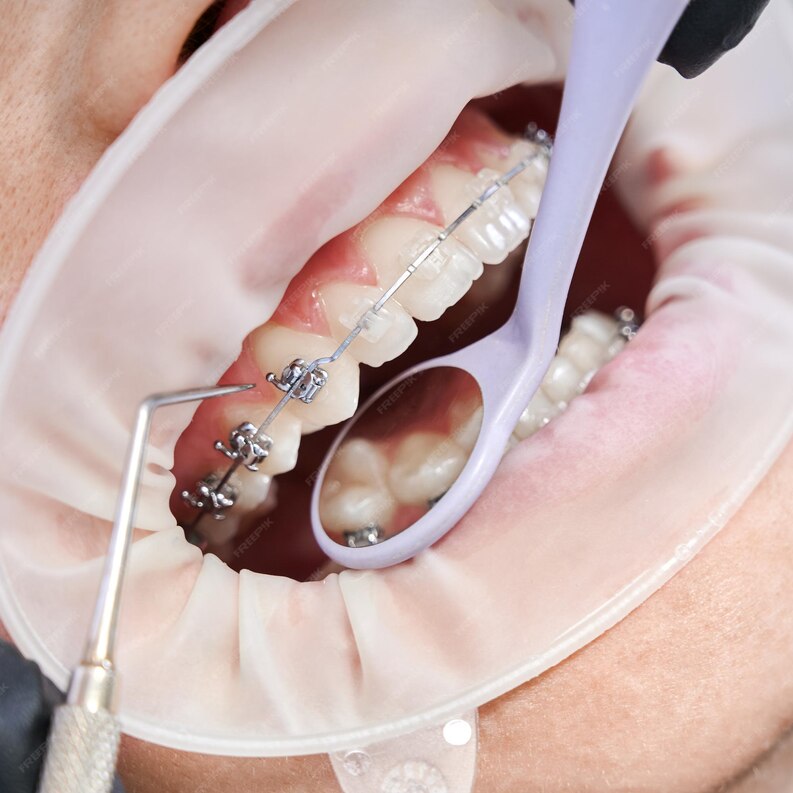
Dental braces are a popular orthodontic treatment designed to correct misaligned teeth and jaws. They not only enhance the appearance of your smile but also improve overall oral health. This comprehensive guide explores the types, benefits, and care of dental braces.
What are Dental Braces?
Dental braces are orthodontic devices used to straighten teeth, correct bite issues, and align the jaws. They consist of brackets, wires, and bands that gradually move teeth into their desired positions. Modern braces come in various forms, making them more comfortable and aesthetically pleasing than ever before.
Types of Dental Braces
- Traditional Metal Braces: These are the most common type of braces, made of high-grade stainless steel. Modern versions are smaller, more comfortable, and less noticeable than older models.
- Ceramic Braces: Similar to metal braces, ceramic braces use clear or tooth-colored brackets that blend with your natural teeth, making them less conspicuous.
- Lingual Braces: These braces are placed on the backside of the teeth, making them invisible from the front. They are custom-made for each patient but may take longer to adjust to compared to traditional braces.
- Clear Aligners (Invisalign): Clear aligners are removable, transparent trays that gradually move teeth into place. They are nearly invisible and can be removed for eating, brushing, and flossing, offering a convenient alternative to traditional braces.
Benefits of Dental Braces
- Improved Aesthetics: Straight teeth and a well-aligned bite enhance the overall appearance of your smile, boosting confidence and self-esteem.
- Better Oral Health: Properly aligned teeth are easier to clean, reducing the risk of cavities, gum disease, and other dental issues.
- Enhanced Functionality: Correcting bite problems can improve chewing and speech, reducing strain on the jaw and teeth.
- Prevention of Dental Issues: Addressing misalignment early can prevent more serious dental problems in the future, such as tooth wear, jaw pain, and temporomandibular joint (TMJ) disorders.
The Process of Getting Braces
- Consultation and Examination: An orthodontist examines your teeth, takes X-rays, and creates a treatment plan tailored to your specific needs.
- Application of Braces: The braces are carefully placed on your teeth, and adjustments are made to ensure proper fit and comfort.
- Regular Adjustments: You’ll visit the orthodontist regularly for adjustments, which involve tightening the wires to continue moving your teeth into their correct positions.
- Retention: Once the braces are removed, you’ll need to wear a retainer to maintain your new smile and prevent teeth from shifting back to their original positions.
Caring for Dental Braces
Maintaining good oral hygiene is crucial when wearing braces. Here are some tips to ensure your braces stay in top condition:
- Brush and Floss Regularly: Use a soft-bristle toothbrush and fluoride toothpaste to clean your teeth after every meal. Floss carefully to remove food particles and plaque between your teeth and braces.
- Avoid Certain Foods: Sticky, hard, or chewy foods can damage braces. Avoid chewing gum, hard candies, and crunchy snacks to prevent breakage.
- Use Orthodontic Tools: Special tools like interdental brushes, floss threaders, and water flossers can help you clean around brackets and wires effectively.
- Attend Regular Check-ups: Regular visits to your orthodontist ensure that your treatment is progressing as planned and allow for any necessary adjustments.
Conclusion
Dental braces are a powerful tool in achieving a beautiful, healthy smile. With various options available, patients can choose the type of braces that best suits their lifestyle and aesthetic preferences. By following a comprehensive treatment plan and maintaining good oral hygiene, you can enjoy the long-term benefits of a straighter, healthier smile. If you’re considering braces, consult with an orthodontist to explore the best options for your dental needs.