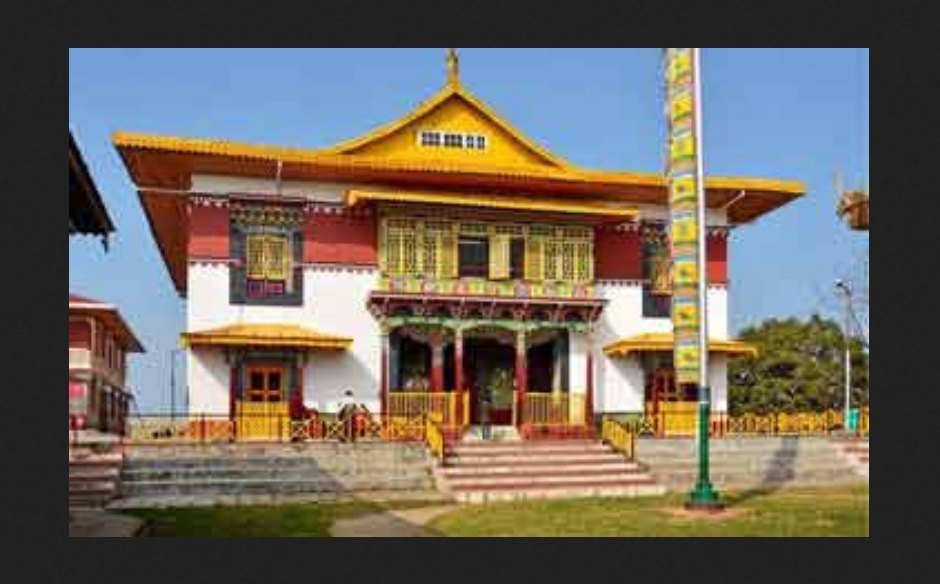
Pemayangtse Monastery stands as a serene symbol of Tibetan Buddhist culture and history. Located in the town of Pelling, this monastery is not only a place of worship but also a gateway to experiencing the rich heritage and peaceful ambiance of the region. This article will provide an overview of Pemayangtse Monastery, including its history, significance and essential visitor information.
What is Pemayangtse Monastery?
Pemayangtse Monastery, often referred to as “The Sublime Lotus Monastery,” is one of the oldest and most important monasteries in Sikkim. Founded in 1705 by Lhatsun Chempo, a prominent Tibetan lama, the monastery is a significant religious site for the Nyingma school of Tibetan Buddhism. It serves as a key center for Buddhist teachings and practices in the region.
Location and Accessibility
Pemayangtse Monastery is situated in Pelling, a popular hill station in Sikkim. Perched at an altitude of around 2,084 meters (6,837 feet), the monastery offers breathtaking views of the surrounding mountains, including the majestic Kanchenjunga, the third highest peak in the world. Pelling is well-connected by road to other major cities in Sikkim and can be reached by taxi or private vehicle from Gangtok, the state capital.
Exploring Pemayangtse Monastery
The monastery is renowned for its architectural beauty and intricate designs. Upon entering the monastery, visitors are greeted by the serene atmosphere and the vibrant colors of Tibetan art. Key features of the monastery include:
- The Main Temple: The main temple houses an impressive collection of statues and murals depicting various Buddhist deities and historical figures. The centerpiece is a stunning wooden sculpture of the “Zangdokpalri,” which represents the celestial abode of Guru Padmasambhava, an important figure in Tibetan Buddhism.
- The Chorten: The monastery complex includes a chorten (stupa), which is a symbolic structure used in Buddhist practice. It serves as a focal point for meditation and spiritual reflection.
- The Lama Rooms: The monastery has living quarters for resident lamas (monks), and visitors may occasionally see them engaged in prayers and rituals.
Pemayangtse Monastery is also known for its annual festivals, including the famous “Buddha Jayanti” and “Losar” (Tibetan New Year). These festivals are marked by traditional dances, music, and vibrant celebrations, offering a unique opportunity for visitors to experience Tibetan culture firsthand.
Pemayangtse Monastery Sikkim: A Spiritual Journey
Visiting Pemayangtse Monastery is not just about sightseeing; it is also about immersing oneself in the spiritual and cultural richness of Sikkim. The monastery provides a peaceful environment for meditation and introspection. The monks and resident lamas are often willing to share their knowledge and insights into Buddhist teachings, making it an enriching experience for visitors interested in spirituality.
Pemayangtse Monastery Images
Pemayangtse Monastery is a visual delight for photographers and art enthusiasts. The monastery’s architecture, with its vibrant colors and intricate carvings, makes for stunning photographs. The temple’s interiors, adorned with traditional Tibetan art and sculptures, are equally captivating. For those unable to visit in person, online images and virtual tours offer a glimpse into the monastery’s beauty.
Pemayangtse Monastery Entry Fees
For those planning a visit, it’s essential to know about the entry fees and other visitor-related details:
- Entry Fee: As of the latest information, the entry fee to Pemayangtse Monastery is generally minimal, around INR 10 to INR 50 for Indian nationals and slightly higher for foreign tourists. This fee helps maintain the monastery and support its activities.
- Opening Hours: The monastery is typically open to visitors from early morning until late afternoon. It is advisable to check the exact timings before planning your visit, as they may vary depending on the season and special events.
- Dress Code: Visitors are requested to dress modestly when entering the monastery. Respect for the religious and cultural practices is paramount, so it is important to follow any guidelines provided by the monastery staff.
- Photography: Photography inside the main temple may be restricted to preserve the sanctity of the religious space. However, visitors are usually allowed to take photographs of the monastery’s exterior and surroundings.
Tips for Visiting Pemayangtse Monastery
- Respect Local Customs: When visiting Pemayangtse Monastery, it is important to be respectful of local customs and practices. Follow any guidelines provided by the monastery staff and be mindful of the religious significance of the site.
- Plan Ahead: Check the weather and road conditions before traveling to Pelling, especially during the monsoon season when landslides and heavy rains can affect travel plans.
- Stay Hydrated and Comfortable: The altitude can affect some visitors, so ensure you stay hydrated and wear comfortable clothing and footwear for exploring the monastery and its surroundings.
- Engage with Monks: If you have the opportunity, engage with the resident monks to learn more about their daily lives and Buddhist practices. They are often eager to share their knowledge and experiences.
Conclusion
Pemayangtse Monastery in Pelling, Sikkim, is more than just a historical site; it is a living testament to the rich spiritual and cultural heritage of Tibetan Buddhism. With its stunning architecture, serene environment and deep spiritual significance, it offers a unique and enriching experience for visitors. Whether you are a spiritual seeker, a history lover or simply someone who appreciates beautiful art and architecture, Pemayangtse Monastery is a must-visit destination in Sikkim.