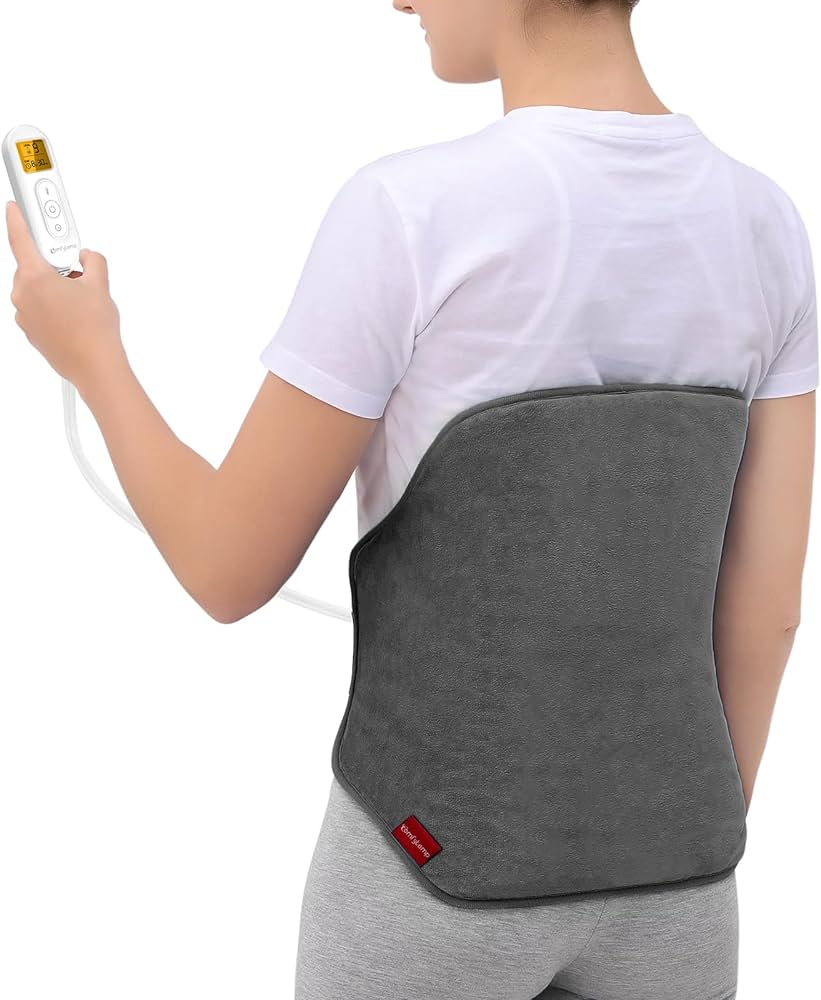
Back pain is a common and often debilitating condition that affects millions of people worldwide. Whether caused by muscle strain, poor posture, or chronic conditions like arthritis, finding effective relief is crucial. One of the simplest yet highly effective remedies is using a heat pad for back pain. This guide will explore how heat pads work, their benefits, and what to look for when choosing the best one for your needs.
Understanding the Benefits of Heat Therapy
Heat therapy, also known as thermotherapy, has been used for centuries to alleviate pain and promote healing. When it comes to back pain, applying a heat pad can offer several benefits:
- Muscle Relaxation: Heat helps to relax tight and tense muscles, which can be particularly beneficial for individuals suffering from muscle strains or spasms. By loosening up the muscles, heat pads can ease discomfort and improve mobility.
- Increased Blood Flow: Applying heat to the affected area enhances blood circulation. Increased blood flow helps deliver oxygen and nutrients to the muscles and tissues, promoting faster healing and reducing inflammation.
- Pain Relief: The soothing warmth of a heat pad can reduce pain signals sent to the brain, providing immediate and long-lasting relief. Heat therapy is especially effective for soothing chronic pain and stiffness.
- Stress Reduction: The comforting warmth of a heat pad can help reduce overall stress and promote relaxation. This can be particularly beneficial for those whose back pain is exacerbated by stress or tension.
Choosing the Best Heat Pad for Back Pain
When selecting a heat pad for back pain, consider the following factors to ensure you get the most effective and comfortable relief:
- Heat Settings and Controls
- Look for a heat pad with adjustable heat settings. Being able to control the temperature allows you to customize the warmth to your comfort level and needs. Some models also offer multiple heat levels for added flexibility.
- Size and Shape
- The size and shape of the heat pad should match the area you need to treat. Larger pads are ideal for covering the full back, while smaller, contoured pads may be better suited for targeting specific areas.
- Material and Comfort
- Choose a heat pad made from soft, breathable materials. A plush or fleece cover can enhance comfort and prevent direct contact with the heating element, reducing the risk of burns or irritation.
- Ease of Use
- Features like user-friendly controls, automatic shutoff, and flexible designs for easy wrapping contribute to a hassle-free experience. Look for a model that fits seamlessly into your lifestyle and is easy to operate.
- Durability and Maintenance
- Select a heat pad made from durable materials that can withstand frequent use. Machine-washable covers are a bonus, making it easier to keep the pad clean and fresh.
Top Recommendations for Heat Pads
Here are some top-rated heat pads that stand out for their effectiveness and user-friendly features:
- Pure Enrichment PureRelief XL Heating Pad
- Features: Extra-large size, 6 heat settings, moist and dry heat options.
- Why It’s Great: The generous size provides full-back coverage, and the versatile heat settings offer customizable relief.
- Sunbeam Renue Neck and Shoulder Heating Pad
- Features: Ergonomic design, adjustable heat settings, built-in straps.
- Why It’s Great: Designed to conform to the neck and shoulders, this pad provides targeted relief and stays in place for hands-free use.
- Thermophore MaxHeat Heating Pad
- Features: High-intensity heat, moisture-activated therapy, automatic shutoff.
- Why It’s Great: Delivers deep, penetrating heat and is ideal for chronic back pain and muscle tension. The moisture feature enhances heat absorption.
- Microwavable Heat Pack by Thermalon
- Features: Natural clay beads, microwavable, versatile design.
- Why It’s Great: Offers portable, soothing heat that conforms to the body’s contours, making it perfect for targeted therapy.
Tips for Safe Use
To maximize the benefits of your heat pad and ensure safe use, follow these guidelines:
- Apply for 15-20 Minutes: Limit each session to 15-20 minutes to avoid overheating and skin irritation.
- Test the Temperature: Start with a lower setting to check comfort levels and prevent burns.
- Follow Manufacturer’s Instructions: Always adhere to the user manual for proper use and maintenance.
Conclusion
A heat pad for back pain can be an invaluable tool in managing discomfort and improving quality of life. By understanding the benefits and choosing a heat pad that meets your needs, you can find effective relief and enhance your overall well-being. Whether dealing with acute or chronic back pain, incorporating a heat pad into your self-care routine can make a significant difference.
Have you found a heat pad that works wonders for your back pain? Share your experiences and recommendations!