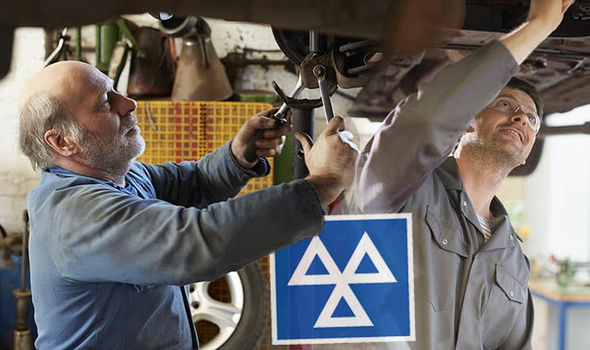
Being a vehicle owner in the UK and preparing it for its MOT sometimes feels like you are going for an examination. The pressure that you might have on your mind about your vehicle failing its test and losing your money is quite common. But if you know what goes on in the garage after you drop off your vehicle, it can be helpful for you. You might think of the MOT as something quite mysterious, but it is a very simple test. All it does is make sure that your vehicle is safe for driving, as well as not harm the environment. So, if you want to find a step-by-step guide to what happened during this test, then this blog is for you. Here, you will get a detailed breakdown of what takes place during an MOT and how you can prepare for it. So, let’s start with the blog and help you get a look behind the curtains in this test.
Booking for the Test
The first thing that you need to do before you take your vehicle to the MOT centre is you need to book an appointment with a garage that seems suitable for you. You can book one that comes under your price range and also has good customer reviews. You can either use the website of the garage to book an MOT test Warwick or visit them physically to book one. You can give them the time when you are free, and they will tell you if they have a slot. A slot is given that fits best for both of you. But, you should always keep in mind that the test centre you choose can play a big role in your overall test experience and the test result that you will receive. You need to provide details like your vehicle’s registration number when you are booking an appointment. You should always book an appointment in advance so that you can avoid driving your vehicle around with a failed certificate.
Going to the Test Centre
Now that you have already booked an appointment, you need to reach the test centre at the given time. Once you reach there, the examiner will first confirm the registration number of your vehicle and make sure that it is the one for which you booked an appointment. Then you will provide them with the keys to your vehicle so that they can take your vehicle to the test bay. Then you will be told how much time the test will take, and it is up to you if you want to wait, as many test centres have waiting areas, or want to go home and come back once the test is completed.
Exterior Inspection
The examiner will start the test by checking the exterior of your vehicle. They will do a general walk around your vehicle and look for things like:
- Whether the number plate is clean or not.
- If all the lights (headlights, indicators, brake lights, fog lights, and number plate light) are working properly.
- Whether the windscreen condition is good or not.
- If the doors and bonnet are closing and opening properly.
Braking System Inspection
The next part of the check is the braking system. The test will check it for:
- How much damage are the brake pads and discs?
- Whether the brake pedal feels firm or not.
- If the hand brake is holding the car properly.
Tyres Inspection
Next comes the inspection of the sole point of contact of your vehicle to the road, the tyres. The tester will examine the tyres for factors like:
- Whether their tread depth is at or above the legal limit of 1.6 mm.
- Whether the tyres are inflated properly or not.
- Whether the tyres that are fitted to your vehicle are of the correct type and size or not.
- The examiner will also make sure that the tyres are not too damaged.
Not always, but sometimes the tester also checks if the wheels are balanced properly or not. So, a tip for you is, you can get wheel-balancing Warwick done before you go to the test centre, so that this does not become the reason for you to fail the test.
-
Other Checks
These were some of the most basic checks done during the test. Apart from these, other components that are checked are:
- Suspension and steering.
- Exhaust and Emissions.
- Interior of the vehicle.
- Windscreen and wipers.
- Checking under the bonnet.
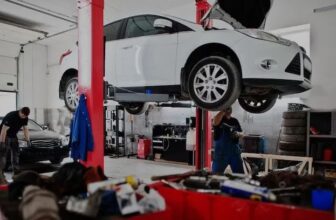
- Checking under the vehicle.
Conclusion
After the examiner does all these checks, they will do the overall evaluation. If your vehicle meets the standards of safety and environmental protection set by the UK government, then it will pass the test. But if it fails to do so, then it will fail the test. So, we hope that, through this guide, you will be able to understand the complete process of MOT. We tried to explain it in the simplest terms possible. So, make sure that you use this as a preparation for your next MOT and stress less about it.