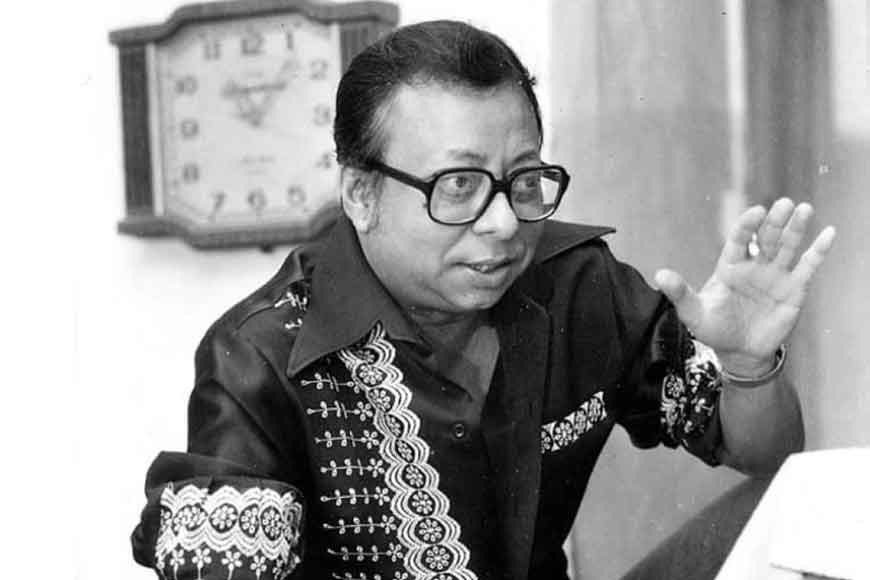
Rahul Dev Burman, affectionately known as Pancham Da, is a name that resonates with music lovers worldwide. In the golden era of Bollywood, RD Burman emerged as a trailblazer, infusing traditional Indian melodies with Western influences and creating a unique, unforgettable sound. His ability to blend various genres, experiment with instruments, and capture emotions through music made him one of the most celebrated music directors in Indian cinema. In this article, we dive into how RD Burman redefined Bollywood music and why his influence is still felt in the industry today.
The Early Years: Shaping an Icon
RD Burman was born into a musical family; his father, SD Burman, was one of Bollywood’s most respected music composers. However, RD Burman was not content to simply follow in his father’s footsteps. He sought to carve out his own niche, drawing inspiration from a range of musical influences beyond the borders of India. Growing up, he was exposed to jazz, rock ’n’ roll, and Latin music, which left a profound impact on his style.
Pancham Da’s curiosity and openness to different sounds were apparent from the very beginning of his career. His training and immersion in diverse musical styles allowed him to become a bridge between Eastern and Western music traditions, setting the stage for a revolutionary career in Bollywood.
Innovation in Sound: Fusing Genres
RD Burman’s musical genius lay in his ability to experiment and take risks. He understood that Bollywood music was ripe for innovation and daring compositions, and he used his talents to bring fresh, unconventional sounds to the industry. Unlike many composers of his time, Burman wasn’t afraid to mix genres, blending Western jazz, rock, and disco with traditional Indian ragas and folk music.
This fusion was exemplified in songs like “Mehbooba Mehbooba” from the movie Sholay, where he incorporated Middle Eastern rhythms with Indian elements. The result was an electrifying melody that became an instant classic. Similarly, in the song “Dum Maro Dum” from Hare Rama Hare Krishna, Burman introduced psychedelic rock elements to Hindi film music. These daring choices not only set him apart from his contemporaries but also changed Bollywood music forever, making it more globally relevant and appealing.
Instrumentation and Rhythm: Creating Unconventional Sounds
Burman’s innovative use of instruments added a unique flavor to his compositions. He frequently used instruments that were uncommon in Indian music, like the harmonica, synthesizer, and electric guitar. One of his hallmark creations, “Chura Liya Hai Tumne Jo Dil Ko” from Yaadon Ki Baaraat, used a clinking glass and a guitar as its opening sound — a decision that was radical for Bollywood music at the time.
In another example, for the song “O Haseena Zulfonwali” from Teesri Manzil, Burman combined rock drums, brass sections, and traditional Indian tabla rhythms, creating a sound that was both modern and rooted in Indian tradition. His understanding of rhythm and tempo was so profound that he could seamlessly switch between fast-paced numbers and soft, soulful ballads. This versatility allowed him to craft songs that appealed to a wide range of emotions and audiences.
Emotional Depth and Storytelling in Music
RD Burman’s music wasn’t just about catchy beats and innovative instrumentation; it was also deeply emotional and narrative-driven. He understood the importance of aligning the music with the storyline and characters of each film. His ability to bring out the emotional nuances in his compositions made his songs timeless.
In “Tujhse Naraz Nahin Zindagi” from Masoom, Burman crafted a haunting melody that perfectly conveyed the emotional struggle and innocence of the characters. This song, with its minimal instrumentation and soulful composition, remains a heart-wrenching classic that resonates with listeners across generations. Burman’s skill in conveying mood and story through music allowed his compositions to stand as standalone works of art, even beyond the films they were originally written for.
The Legacy of RD Burman: A Lasting Influence
Although RD Burman faced periods of professional struggle, particularly during the late 1980s when the Bollywood music scene shifted, his music saw a resurgence in popularity after his passing. Today, his songs are celebrated by listeners of all ages, and his compositions are frequently remixed and reimagined for new generations. His timeless music serves as a source of inspiration for contemporary composers who seek to bring innovation to Bollywood.
RD Burman’s influence can be heard in the works of many modern composers, who continue to adopt his techniques, such as genre fusion and creative instrumentation, to bring something new to the industry. His legacy is a testament to the power of creative risk-taking and the enduring appeal of music that speaks to the heart and soul.
Conclusion
RD Burman was more than a music composer; he was a visionary whose creative genius broke barriers and set new standards for Bollywood music. By daring to be different and blending Western and Indian sounds, he opened doors for future composers and introduced Indian audiences to a whole new world of music. His compositions have not only withstood the test of time but continue to captivate listeners with their richness, emotional depth, and innovation.
If you haven’t yet experienced the magic of RD Burman’s music, now is the perfect time to dive in. Rediscover his timeless hits on your favorite streaming platforms, and let the melodies of Pancham Da transport you to an era of Bollywood where music knew no bounds.