The orthodontic scene has dramatically been changed in the last two decades by the entry of clear aligners as one of the most favored options against traditional metal braces. This new technology has undoubtedly fired the imagination of dental professionals and patients alike with its ability to provide a discreet and comfortable route toward getting straighter teeth. Clear aligners have their history traced to the late 1990s when pioneering companies like Align Technology introduced totally novel systems whose capabilities and versatility have increased in an exponential rate.
Invisalign: Groundbreaking Clear Aligner
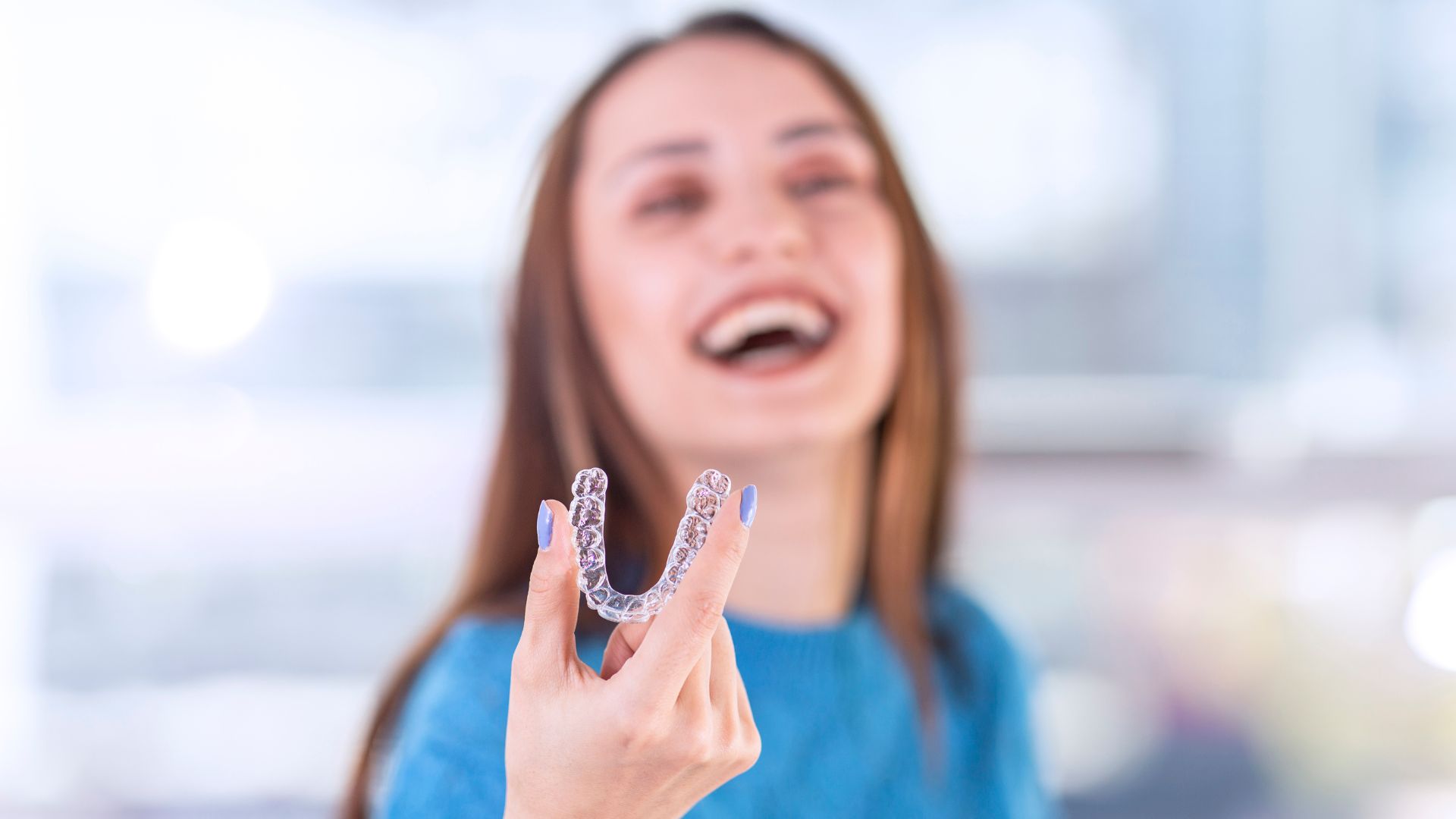
Of the available options in clear aligners, Invisalign takes center stage as the very first and one that has carved an independent niche for itself in the business. Their patented system uses a sequence of custom-made, almost invisible aligners that move teeth gradually into places one desires them to be in. The aligners are fabricated from a patented thermoplastic material to ensure comfort and a smooth fit during treatment. Those patients who have chosen Invisalign, however, generally report that the ability to maintain their natural smile, the convenience of removal, and reduced irritation to the mouth have been important considerations.
Alternatives to Invisalign
There is no disputing that Invisalign has controlled the clear aligner market, but there are a couple of other compelling options currently available to discerning patients. For example, ClearCorrect offers a very similar system of individualized aligners designed for inconspicuous tooth alignment. Byte is a newer company that has found success with its far more linear process for treatment and who have integrated advanced technologies, such as HyperByte, in attempts to increase the speed of tooth movement. SmileDirectClub is another direct-to-consumer brand that has grown rapidly due to the fact that it offers, compared with others, relatively cheaper plans with teledentistry consultation and impression kits at home. There are also other very popular aligner systems, such as SureSmile Aligner and OrthoClear. These also manage to meet the large demands and different needs of patients.
Customization and Personalization
Being able to be tailored to every patient’s requirements has been the hallmark of clear aligners. It is in constant consultation with the patient that dental professionals ensure the clear aligner system chosen for them will effectively answer their orthodontic needs, in addition to fitting with their general lifestyle and aesthetic needs. From adding customized features to adopting a collaborative approach to treatment planning, clear aligner providers strive to deliver a personalized experience that empowers patients to get the desired smile.
Treatment Duration and Efficiency
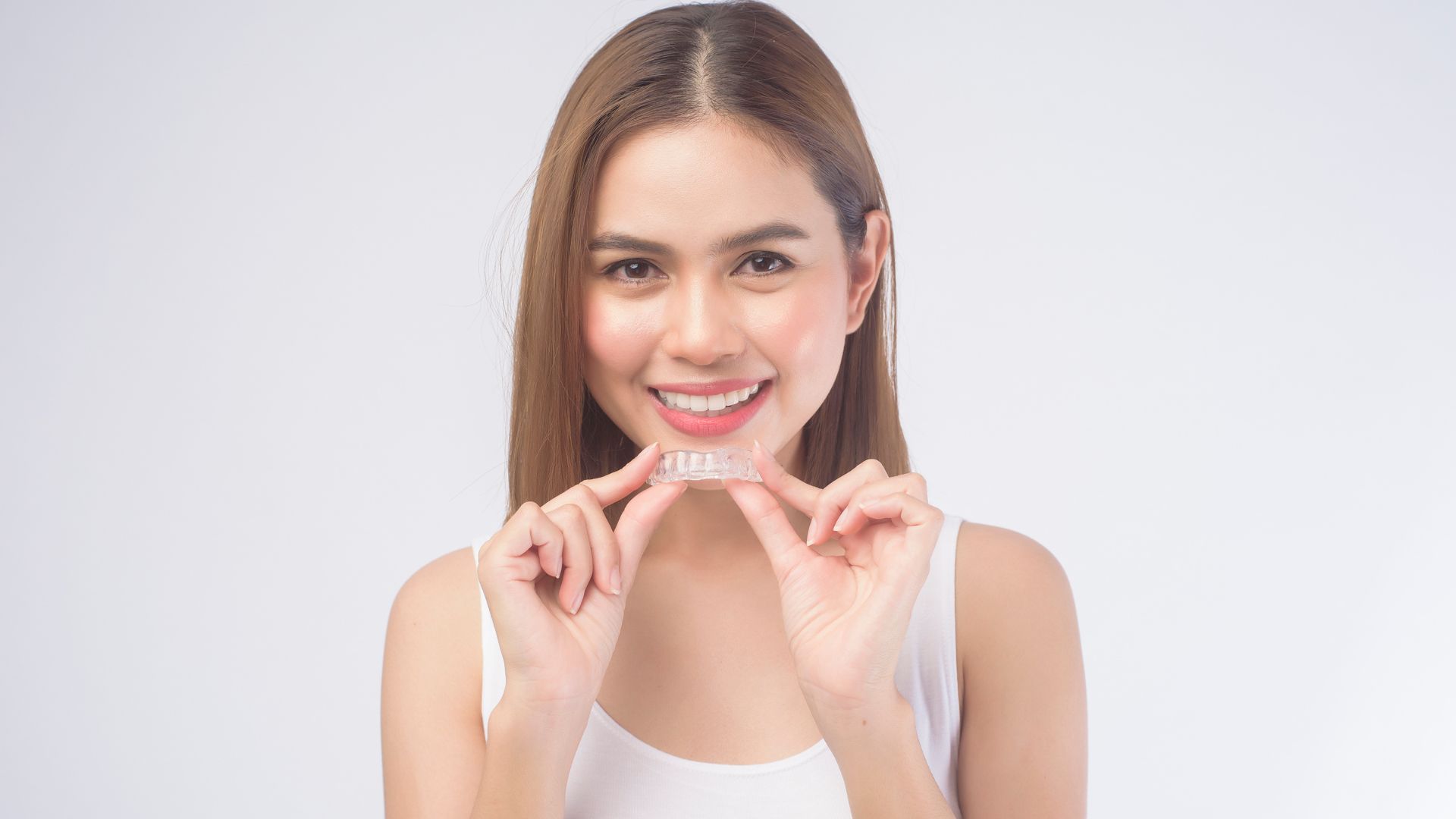
Treatment time with clear aligners varies considerably depending on case complexity and the used system. While Invisalign and similar systems are generally shorter in comparison with classic braces, the efficiency of each one is sure to be influenced by things such as the degree of misplacement, the patient’s compliance with the provided wear schedule, or whether other devices are involved in the process. Patients must carefully evaluate and discuss with dental professionals to decide on a clear aligner option that best suits their needs and timeline.
Cost Considerations
Mostly, for almost all patients, the major considerations will be treatment cost, and the costs among different options vary widely. Being the market leader in this space, Invisalign usually comes with a premium price tag. Alternatives can be found to reduce the cost, such as ClearCorrect, Byte, and SmileDirectClub. Patients are encouraged to look into their insurance coverage, payment plans available, and any cost-saving measures that may be applied—items such as discounts or promotional offers—to make sure people are able to find a clear aligner solution within their budget constraints.
Aftercare and Retention
That is merely the tip of the clear aligner journey in achieving desirable orthodontic results. It goes on to maintain these results through proper aftercare and retention protocols, which involve continued care to attain long-term dental health and satisfaction. Most providers of clear aligners recommend the use of custom-fitted retainers after active treatment to prevent teeth from going back to their pretreatment positions. Moreover, follow-up and control by dental professionals will further consolidate the results of treatment and avoid probable future complications.