


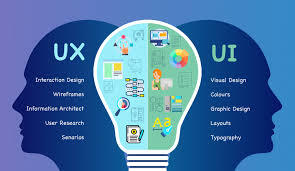
The world of UI/UX design is a captivating blend of creativity and problem-solving. It’s no wonder that many aspiring designers get swept away by the allure of the “latest and greatest” design trends. But while staying current is important, basing your entire UI/UX course selection on the hottest fad can be a recipe for a short-lived career. Here’s how to navigate the course selection process and land on a program that sets you up for long-term success.
The Allure and the Allure’s Allure: Trendy Topics Can Be Tricky
There’s a reason trendy design elements are often compared to fads. Let’s explore why basing your entire learning journey on them can be a risky proposition:
- Fleeting Fame: Trends come and go in a flash. A course solely focused on the latest bells and whistles might not provide the foundational skills needed for a sustainable career. Imagine building a house on a foundation that crumbles with the next design trend. You want a foundation that allows you to adapt and excel even as technology and aesthetics evolve.
- Limited Job Market: Niche, hyper-trendy areas of UI/UX may offer fewer job opportunities. Developing a robust skillset based on core principles makes you a more versatile designer, increasing your employability across different industries and projects.
- Shallow Understanding: Trendy courses often focus on a quick grasp of the “what” without delving deeper into the “why.” You might learn to implement the latest design fad, but without understanding the core principles of user-centered design, you’ll struggle to adapt and apply that knowledge effectively to real-world problems.
Building a Solid Foundation: The Cornerstones of Your Design Journey
Think of core UI/UX principles as the building blocks of your design career. A solid foundation equips you to adapt and excel even as technology and design trends evolve. These represent the essential areas you should prioritize:
- User Research: Uncovering user needs, behaviors, and pain points is the cornerstone of creating user-friendly interfaces. It’s about understanding who you’re designing for and what problems you’re solving.
- Information Architecture: This involves structuring content in a clear and logical way. Think of it as organizing your digital house—clear information architecture ensures users can easily find what they’re looking for.
- Interaction Design: This focuses on how users interact with a product, ensuring smooth and intuitive flows for completing tasks. Think of it as choreographing a user’s journey through your design.
- Visual Design: While aesthetics are important, visual design must work hand-in-hand with usability. Visual design principles guide you in creating interfaces that are not only visually appealing but also support a positive user experience.
- Prototyping Tools: Learning to create interactive prototypes allows you to test and iterate on design ideas before development begins. It’s like building a model airplane before constructing the real deal—it helps identify potential problems early on.
Beyond the Buzzwords: Integrating Trendy Topics Wisely
Once you have a strong foundation in core principles, you can strategically incorporate trendy topics into your learning journey. Here’s how to make this integration work best for you:
- Choose Trends with Staying Power: Look for trends with the potential to become long-term design considerations. For example, voice-user interfaces (VUIs) are likely to become increasingly important as smart technology advances.
- Fundamentals First: Don’t skip ahead! Before diving into futuristic design concepts like VR/AR, solidify your understanding of core principles like interaction design and user experience.
- Bridge Courses: Look for UI/UX programs that seamlessly integrate trendy topics with a strong foundation in core principles. This ensures you are well-equipped to apply the latest trends to real-world problems and solve user needs effectively.
Do’s and Don’ts for Choosing a Course:
Do:
- Define Your Goals: Are you aiming for a career transition into UI/UX, looking to enhance your existing skillset, or exploring a specific trendy area? Understanding your goals helps you prioritize course features and choose the right learning path.
- Research Curriculum: Ensure the course curriculum covers both core principles and your chosen trendy topic. Look for programs that offer projects and exercises that allow you to apply what you learn to practical scenarios.
- Consider Course Providers: Compare various options like online platforms, bootcamps, university programs, and workshops. Choose a format that aligns with your learning style and schedule.
- Check Instructor Credentials: Research the instructors’ background and expertise. Look for instructors with experience in both core principles and the chosen trendy topic. They should have a strong portfolio and experience in the industry to provide real-world insights and guidance.


