I write this as a clinician with years of experience working with swallowing disorders, reflux conditions, and oesophageal motility problems. I also write as a content strategist who knows how confusing health information can feel when swallowing becomes uncomfortable or frightening. In this article, I speak directly to you as someone living with swallowing difficulty, or as a caregiver supporting a loved one. I use clear language, practical advice, and evidence-based explanations that you can apply in daily life.
Swallowing should feel automatic. When breathing patterns and posture fall out of balance, swallowing often becomes strained, slow, or painful. By improving how you breathe and how you hold your body, you can support safer, easier swallowing and reduce anxiety around meals.
Why swallowing feels harder than it should
Swallowing involves a precise sequence of muscle actions that rely on timing, coordination, and airflow control. You breathe, pause, swallow, and then breathe again. When posture collapses or breathing becomes shallow, this sequence loses rhythm.
You may notice:
- Food sticking in your throat or chest
- Coughing or throat clearing during meals
- Shortness of breath while eating
- Tightness in the neck or jaw
- Fear of choking, even with soft foods
These signs often appear in conditions such as reflux disease, dysphagia, oesophageal spasm, or achalasia. Even without a formal diagnosis, posture and breathing habits strongly influence how safely and comfortably you swallow.
The connection between breathing and swallowing
Breathing and swallowing share the same anatomical space. Your throat acts as a shared pathway for air and food. For safety, your body briefly stops breathing during a swallow. If breathing feels rushed or laboured, swallowing becomes less efficient.
Shallow breathing increases tension
When you breathe high in your chest, your neck and shoulder muscles work too hard. This tension spreads to the throat, jaw, and tongue. Tight muscles reduce the space needed for food to pass smoothly.
You may feel as though food “hesitates” or moves slowly. This sensation often worsens under stress, as anxiety drives faster, shallower breaths.
Nasal breathing supports smoother swallows
Breathing through your nose encourages slower airflow and better diaphragm movement. Nasal breathing also keeps your mouth closed between bites, which improves saliva control and swallow timing.
If nasal congestion forces mouth breathing, swallowing often feels rushed. Addressing nasal blockage with medical advice can improve swallowing comfort more than expected.
Diaphragmatic breathing and swallowing safety
Diaphragmatic breathing, also known as belly breathing, supports the natural rhythm between breathing and swallowing. You can practise this technique anywhere, including at the table.
How to practise diaphragmatic breathing
- Sit upright with your feet flat on the floor
- Place one hand on your chest and one on your abdomen
- Breathe in slowly through your nose
- Allow your abdomen to rise while your chest stays relatively still
- Exhale gently through your nose or pursed lips
When you use this breathing pattern before and during meals, your throat muscles relax. You give your body time to coordinate each swallow without panic.
Many people living with achalasia or chronic dysphagia report fewer choking sensations when they slow their breathing before eating. This approach often complements medical care and dietary strategies, including a Natural Remedy for Achalasia discussed in related guidance.
Posture as a foundation for easier swallowing
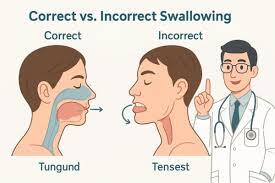
Posture shapes the alignment of your throat, oesophagus, and stomach. Slouching compresses these structures, while upright alignment allows gravity and muscle coordination to work together.
How poor posture affects swallowing
When you slump forward:
- Your chin drops towards your chest
- Your airway narrows
- Your oesophagus bends instead of remaining vertical
This position makes food travel against resistance. You may feel pressure in the chest or throat, especially with solids.
Upright posture improves food flow
Sitting upright with your head balanced over your shoulders allows food to move downward with less effort. Gravity assists the swallow, reducing the work your throat muscles must perform.
If you eat in bed or on a sofa, adjust your position to keep your torso upright. Use cushions behind your back and avoid bending your neck forward.
Head and neck positioning during meals
Small changes in head position can make a noticeable difference to swallowing comfort.
Neutral head position
Aim to keep your ears aligned over your shoulders. This position keeps the throat open and reduces strain on neck muscles.
Chin tuck for specific difficulties
Some people benefit from a gentle chin tuck, where you lower your chin slightly while swallowing. This technique can reduce coughing if liquids tend to “go the wrong way.” A speech and language therapist can advise whether this approach suits your specific symptoms.
Avoid forcing your head back while swallowing, as this position increases aspiration risk.
Posture beyond the dining table
Your posture outside mealtimes influences swallowing too. Hours spent hunched over phones or laptops tighten the neck and chest muscles. This tension does not disappear when you sit down to eat.
Daily posture habits that support swallowing
- Adjust screens to eye level
- Take posture breaks every 30 minutes
- Stretch your neck and shoulders gently
- Strengthen upper back muscles with simple exercises
By caring for posture throughout the day, you reduce baseline tension that interferes with swallowing at night or during meals.
Breathing, posture, and anxiety around swallowing
Fear and tension often worsen swallowing symptoms. When you worry about choking, your breathing speeds up and your muscles tighten. This reaction creates a cycle where swallowing feels even harder.
By focusing on slow breathing and upright posture, you send a message of safety to your nervous system. Many people notice that calm breathing reduces the sensation of food sticking, even before medical treatment takes effect.
Mindful eating practices, such as taking smaller bites and pausing between swallows, work best when paired with good posture and steady breathing.
Swallowing support for long-term conditions
If you live with a diagnosed swallowing disorder, breathing and posture still play a vital role alongside medical care.
Achalasia and oesophageal motility disorders
In achalasia, the lower oesophageal sphincter does not relax properly. While medical treatment remains essential, posture and breathing help manage daily symptoms.
Sitting upright after meals, practising diaphragmatic breathing, and avoiding slouched positions reduce pressure in the chest. Some people combine these strategies with Home Remedies for Achalasia to support comfort between clinical treatments.
Reflux-related swallowing discomfort
Acid reflux irritates the oesophagus and throat, making swallowing painful. Upright posture during and after meals limits acid movement. Calm breathing reduces throat clearing, which often worsens irritation.
Avoid lying flat for at least two hours after eating, and consider elevating the head of your bed if night-time symptoms disturb swallowing.
Eating pace, breathing rhythm, and posture
How quickly you eat matters as much as what you eat. Rapid eating disrupts breathing-swallow coordination and encourages slouching.
Practical tips for meals
- Sit fully upright before the first bite
- Take a slow breath before swallowing
- Put cutlery down between mouthfuls
- Pause if you feel short of breath
- Avoid talking while chewing
These habits support a predictable rhythm that your swallowing muscles rely on.
Supporting hydration with better posture
Many people with swallowing difficulty reduce fluid intake due to fear of coughing. Dehydration thickens saliva and makes swallowing harder.
Good posture supports safer fluid intake. Sit upright, take small sips, and breathe slowly before and after swallowing. Thickened fluids may help some people, but posture remains important regardless of texture.
If you use supplements or nutritional drinks, take them in an upright seated position. Some individuals choose Pure Health Dietary Supplements as part of their nutritional plan, and posture plays a key role in tolerating these products comfortably.
Breathing exercises you can practise daily
Regular breathing exercises strengthen coordination between breathing and swallowing.
Simple daily routine
- Spend five minutes practising diaphragmatic breathing in the morning
- Repeat before your main meal
- Use slow nasal breathing during meals
- End the day with gentle breathing while sitting upright
Consistency matters more than intensity. Over time, your body learns a calmer, more efficient pattern.
When to seek professional support
Breathing and posture strategies support swallowing, but they do not replace medical care. Seek professional advice if you experience:
- Unexplained weight loss
- Frequent choking
- Chest pain during swallowing
- Food sticking persistently
- Recurrent chest infections
A speech and language therapist can assess swallowing mechanics and recommend personalised posture and breathing techniques. A gastroenterologist can investigate oesophageal causes.
Supporting a loved one with swallowing difficulty
If you care for someone with swallowing problems, you can help by encouraging upright posture and calm breathing during meals. Sit with them, model slow eating, and create a relaxed environment.
Avoid rushing meals. Allow time for rest between bites. Small adjustments reduce distress and improve safety for both of you.
Building confidence through body awareness
Swallowing improves when you trust your body again. Breathing and posture rebuild that trust. Each calm swallow reinforces safety and reduces fear.
You do not need special equipment or complex routines. You need awareness, consistency, and patience. These strategies work alongside medical care, dietary changes, and lifestyle adjustments.
Key takeaways for easier swallowing
- Breathing and swallowing work as a coordinated system
- Diaphragmatic breathing reduces throat tension
- Upright posture supports gravity and muscle alignment
- Daily posture habits affect swallowing comfort
- Calm breathing reduces anxiety-driven symptoms
By focusing on how you breathe and how you sit, you give your swallowing muscles the best possible conditions to function well. These simple changes often bring meaningful relief and restore confidence at the table.
If you apply these principles consistently, you may notice fewer symptoms, greater comfort, and a renewed sense of control over eating and drinking.