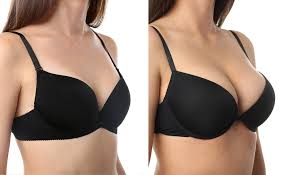
Breast augmentation is a popular cosmetic procedure that enhances the size and shape of the breasts using implants. While many women seek this surgery to improve their body image and confidence, a common concern involves how the procedure might impact the sensation in the breasts. Understanding how breast implants affect natural breast sensation is crucial before making the decision to undergo the surgery.
In this article, we will explore the potential changes in breast sensitivity after Breast augmentation (تكبير الثدي ), how implants might impact sensation, and what you can expect during your recovery process.
Understanding Natural Breast Sensation:
What is Breast Sensation?
Breast sensation refers to the sensitivity of the skin and tissues in the breast area, which is primarily controlled by the nerves. These nerves are responsible for transmitting sensations, such as touch, temperature, and pain, to the brain. The nipples are particularly sensitive due to the large number of nerve endings, and any change in sensation can be noticeable and concerning for many women.
Before undergoing breast augmentation, it’s important to understand that the nerves in your breasts can be affected during the surgery. These nerves play a vital role in the sensation you feel in your breasts and nipples, and any change in their function may affect the overall experience of breast sensitivity.
How Breast Augmentation Can Affect Sensation?
Nerve Disruption During Surgery:
The breast augmentation procedure involves making incisions in the skin, either under the breast, around the areola, or in the armpit, to insert implants. Depending on the type of incision used, there can be some degree of disruption to the nerves that control breast sensation. For example, if an incision is made around the areola (periareolar approach), the nerves near the nipple may be more affected, leading to changes in sensitivity.
The risk of nerve disruption is generally low, but it is a possibility to consider. Nerves that are temporarily or permanently damaged during surgery may result in numbness, tingling, or a decrease in sensation in the breast or nipple area. In some cases, the sensation might become heightened or hypersensitive, which can also be uncomfortable.
Implant Placement and Sensitivity:
The placement of the breast implant also plays a role in how breast sensation is affected. There are two primary types of implant placements: subglandular (over the muscle) and submuscular (under the muscle). When implants are placed under the muscle, they are positioned deeper in the chest and can put pressure on the nerves. This can lead to a higher chance of temporary changes in sensation during recovery.
In contrast, implants placed over the muscle may cause less pressure on the nerves, but still, there’s a potential for sensation changes as the breast tissues adjust to the implants. Additionally, the type of implant, whether saline or silicone, may also affect the overall feel and any changes to sensation.
Recovery and Sensitivity:
Temporary Changes in Sensation:
It’s important to note that most women experience temporary changes in breast sensation after breast augmentation. Numbness, tingling, or heightened sensitivity may occur in the first few weeks or months following surgery. These changes are usually due to swelling, bruising, and the healing process, which can impact the nerves and their ability to transmit sensation.
During recovery, the nerves may take time to regenerate, and in most cases, sensation improves as the healing process continues. Many women find that their breast sensitivity returns to normal or close to normal within a few months, though this timeline can vary.
Long-Term Effects on Sensation:
While temporary changes in breast sensation are common, some women may experience long-term or permanent alterations. In some cases, the nerves may not fully heal, leading to a lasting decrease in breast or nipple sensitivity. This is more common in cases where significant nerve damage occurred during surgery.
On the other hand, some women experience increased sensitivity in their breasts or nipples post-surgery. This heightened sensitivity can result from the body’s response to the implants and the changes in breast tissue.
It’s essential to understand that each person’s experience with breast augmentation is unique. Factors such as individual healing, the extent of nerve disruption, and implant placement can influence how the sensation is affected.
Minimizing the Impact on Sensation:
Choosing the Right Surgeon:
Selecting a qualified, experienced surgeon is one of the most important steps you can take to minimize the risk of nerve damage and maintain breast sensation. A skilled surgeon will know how to carefully perform the procedure with minimal disruption to the nerves, as well as how to select the appropriate incision type and implant placement for your body’s specific needs.
Following Post-Surgery Care Guidelines:
Proper aftercare is essential in ensuring a smooth recovery and reducing the likelihood of complications, including those related to breast sensation. Following your surgeon’s post-surgery instructions, such as avoiding pressure on the breast area, limiting physical activities, and wearing support garments, can help promote healing and reduce nerve irritation.
Managing Expectations:
While some changes in breast sensation may be inevitable, it’s important to manage your expectations and understand that not every woman will experience the same outcomes. Having open discussions with your healthcare provider about the risks and what to expect can help prepare you for any potential changes in sensitivity, allowing you to make a more informed decision about whether breast augmentation is the right choice for you.
When to Seek Medical Advice?
If you experience significant or persistent changes in breast sensation after surgery, it’s important to consult with your healthcare provider. While some level of change in sensation is normal, persistent numbness or extreme sensitivity may require further evaluation. In rare cases, surgical revision may be necessary to address any complications related to nerve damage.
Conclusion:
Breast augmentation (تكبير الثدي )can affect natural breast sensation, both temporarily and, in some cases, permanently. The extent of sensation changes depends on various factors, including the surgical approach, implant placement, and individual healing. Most women experience temporary changes in sensitivity that improve over time, but some may experience long-term or permanent effects. It’s crucial to understand the potential risks and to choose a qualified surgeon who can help minimize the chances of nerve damage. By carefully managing your expectations and following post-surgery care guidelines, you can ensure the best possible outcome for your breast augmentation.