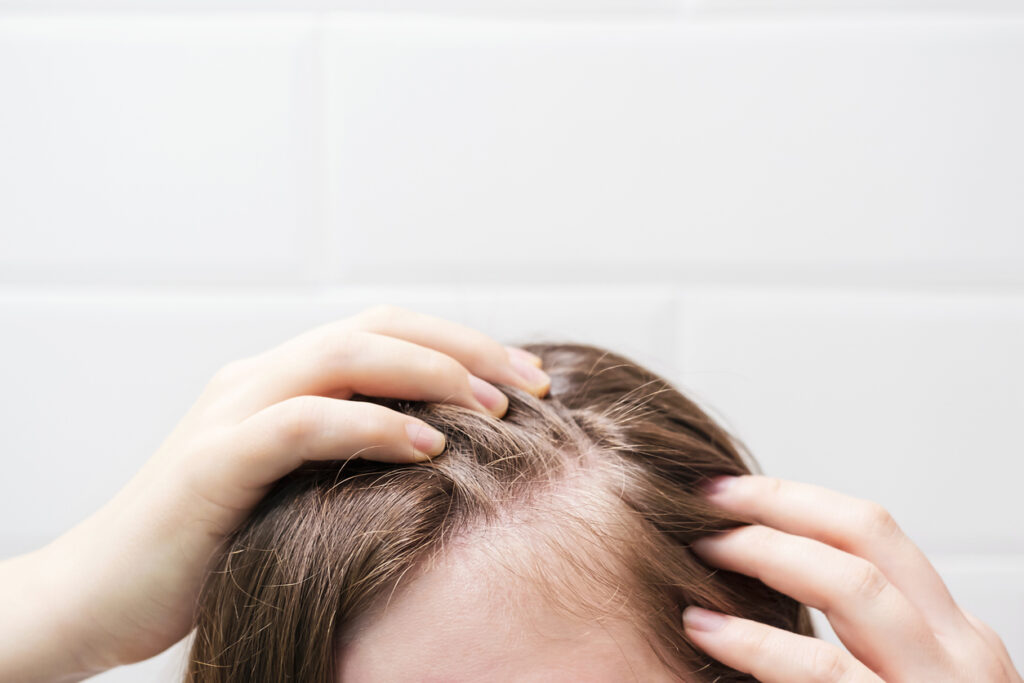
Finasteride is an FDA-approved medication primarily used to treat male pattern baldness (androgenetic alopecia). It works by inhibiting 5-alpha reductase, an enzyme responsible for converting testosterone into dihydrotestosterone (DHT). High levels of DHT are known to shrink hair follicles, leading to hair thinning and eventual hair loss. While the standard dosage of finasteride for hair loss is 1 mg per day, there has been increasing interest in the use of lower doses to achieve similar benefits while potentially reducing side effects. But how effective is low-dose Finasteride Dubai finasteride, and is it a safer alternative?
The Science Behind Low-Dose Finasteride:
Recent studies have suggested that lower doses of finasteride, such as 0.5 mg or even 0.25 mg per day, can still significantly reduce DHT levels and promote hair regrowth. The key questions are:
Does a lower dose provide similar effectiveness as 1 mg?
Can it reduce the risk of side effects?
Effectiveness of Low-Dose Finasteride:
Several studies have investigated the effectiveness of low-dose finasteride in treating hair loss. Here’s what the research suggests:
0.5 mg vs. 1 mg: Research shows that 0.5 mg of finasteride can reduce DHT levels by approximately 70%, compared to an 80% reduction with the 1 mg dose. This suggests that even at half the standard dose, finasteride remains highly effective in lowering DHT and slowing hair loss.
0.25 mg per day or every other day: Some dermatologists suggest that 0.25 mg daily or every other day still provides noticeable benefits while further reducing the risk of side effects. One study found that 0.2 mg finasteride could suppress nearly 60% of scalp DHT, which is still significant in preventing hair follicle miniaturization.
Microdosing (0.2 mg to 0.5 mg every few days): Some users experiment with even lower doses, such as 0.2 mg every two to three days, reporting slower hair loss progression while minimizing adverse effects.
Can a Lower Dose Reduce Side Effects?
One of the primary reasons people consider low-dose finasteride is to reduce the risk of side effects while still benefiting from the drug’s effects on hair loss. Some of the most commonly reported side effects of finasteride include:
Sexual dysfunction: Decreased libido, erectile dysfunction, and reduced semen volume.
Mood changes: Depression and anxiety have been reported in some users.
Brain fog and fatigue: Some people experience difficulty concentrating or low energy levels.
Research on Side Effects and Low-Dose Finasteride
Studies indicate that lower doses of finasteride may still cause side effects, but the frequency and intensity may be reduced.
Some dermatologists believe that side effects are dose-dependent, meaning that the lower the dose, the lower the likelihood of adverse reactions.
Who Should Consider Low-Dose Finasteride?
Not everyone responds to finasteride the same way, and a low-dose regimen may be a good option for certain individuals:
Those who are sensitive to medication: If you have previously experienced sexual, mental, or physical side effects from finasteride, starting at a lower dose may help your body adjust.
Individuals with mild hair loss: If your hair loss is in the early stages, a 0.5 mg or 0.25 mg dose might still be sufficient to slow the progression.
People who prefer a gradual approach: Some men prefer starting with a low dose to monitor for side effects before committing to a full 1 mg regimen.
How to Take Low-Dose Finasteride Safely:
If you decide to try a low-dose regimen, consider the following:
Consult a Doctor:
Before making any changes to your medication, speak to a dermatologist or hair loss specialist. They can help you determine the right dose based on your hair loss severity and risk tolerance for side effects.
Adjust Your Dosage Gradually:
Start with 0.25 mg or 0.5 mg daily and monitor how your body responds.
If well-tolerated, you can increase the dose if necessary.
Some people choose to take 0.5 mg every other day instead of daily.
Monitor Your Results:
Track hair shedding, hair thickness, and hairline changes over 3 to 6 months.
If you experience side effects, consult your doctor about further dose adjustments or alternative treatments.
Alternatives to Finasteride for Hair Loss:
If you are concerned about taking Finasteride UAE finasteride, you may consider alternative hair loss treatments:
Minoxidil (Rogaine): A topical solution that stimulates hair growth.
Dutasteride: A more potent DHT blocker but with a higher risk of side effects.
Platelet-Rich Plasma (PRP) Therapy: Uses your own blood’s platelets to stimulate hair growth.
Low-Level Laser Therapy (LLLT): Devices that use red light to stimulate hair follicles.
Natural DHT Blockers: Such as saw palmetto, pumpkin seed oil, and caffeine-based shampoos.
Conclusion:
Low-dose finasteride can be an effective alternative for individuals who want to reduce hair loss while minimizing the risk of side effects. Research suggests that doses as low as 0.25 mg to 0.5 mg per day can still significantly lower DHT levels and help maintain hair density. However, the decision to use low-dose finasteride should be made in consultation with a qualified doctor. If you experience side effects on a standard dose, switching to a lower dose or alternative treatment could be beneficial. Ultimately, while lower doses of finasteride show promise, individual results will vary, and long-term research is still needed to determine the ideal dosing strategy for different individuals.